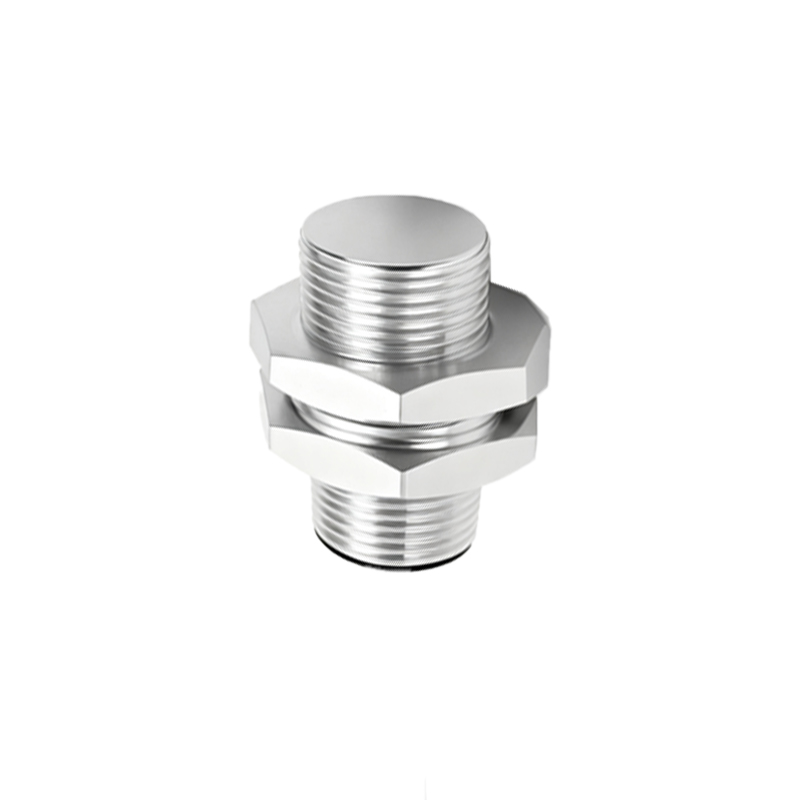
In the realm of modern electronics, a tiny, often unnoticed component plays a crucial role in enhancing user experience and conserving energy: the proximity light sensor. This sophisticated piece of technology is a fusion of two fundamental principles—proximity detection and ambient light sensing—integrated into a single, compact module. Its primary function is to detect the presence of nearby objects without any physical contact and to measure the intensity of light in the environment. This dual capability makes it indispensable in today's smart devices.
The core technology behind proximity sensing typically involves an infrared (IR) LED and an IR light detector. The IR LED emits an invisible beam of infrared light. When an object, such as a user's face during a phone call, comes close to the device, this light reflects back and is captured by the IR detector. The sensor's microcontroller then calculates the distance to the object based on the intensity of the reflected signal. Concurrently, the ambient light sensor (ALS) component, usually a photodiode, measures the visible light in the surroundings. This data allows the device to make intelligent adjustments.
The most ubiquitous application is in smartphones and tablets. During a voice call, the proximity sensor detects when the phone is held to the ear and automatically turns off the touchscreen display. This prevents accidental touch inputs, such as muting the call or pressing dial pad buttons with the cheek. Simultaneously, it conserves battery power. Furthermore, the ambient light sensor works in tandem with this by automatically adjusting the screen's brightness according to the environmental lighting—dimming in a dark room to reduce eye strain and increasing brightness under sunlight for perfect visibility. This seamless interaction happens in milliseconds, completely unnoticed by the user.
Beyond mobile phones, these sensors find extensive use in various industries. In automotive interiors, they enhance safety and comfort. They can detect a driver's hand approaching the infotainment system, preparing it for touch input, or sense when a passenger is near to activate cabin lighting automatically. In consumer appliances like smart faucets, paper towel dispensers, and automatic soap dispensers, proximity sensors enable touch-free operation, promoting hygiene and convenience. Industrial applications include object detection on assembly lines and preventing collisions in automated machinery.
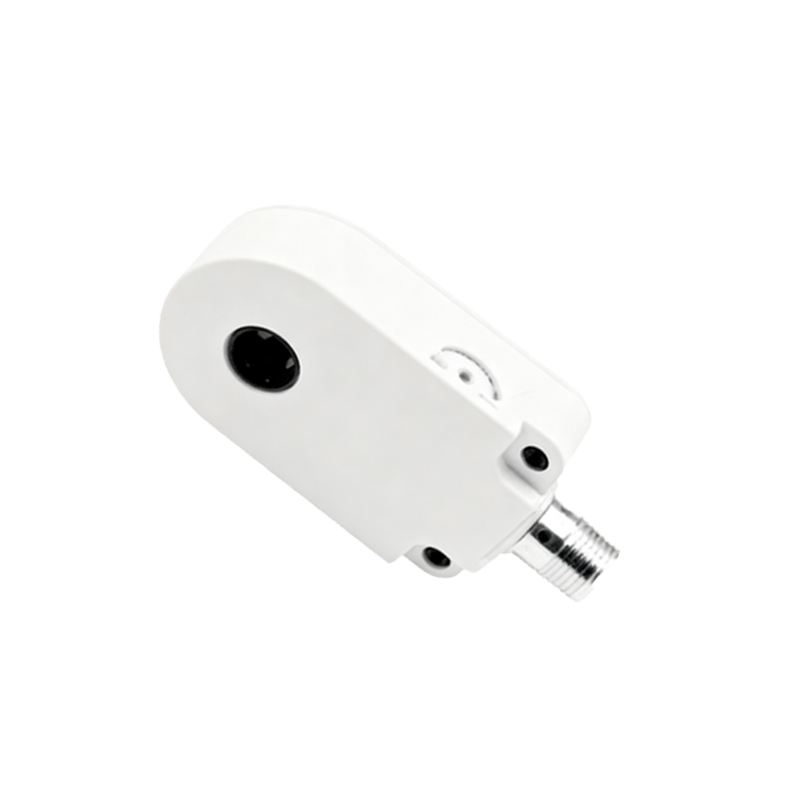
The integration of these sensors also paves the way for advanced features. For instance, they contribute to extending battery life in portable devices by enabling features like "lift to wake" or preventing screen activation when the device is in a pocket or bag. In the context of the Internet of Things (IoT), proximity light sensors are key enablers for context-aware devices that respond intelligently to human presence and environmental changes.
Designing and calibrating these sensors present significant engineering challenges. They must be highly sensitive to detect subtle changes but robust enough to ignore false triggers from stray light or reflective surfaces. Factors like the color and material of the object, ambient IR interference (e.g., from sunlight), and the sensor's placement behind the device's glass or plastic cover (which can attenuate the signal) must be meticulously accounted for. Manufacturers employ complex algorithms and calibration during production to ensure consistent and reliable performance across millions of units.
Looking ahead, the evolution of proximity light sensors is geared towards greater miniaturization, improved accuracy, and lower power consumption. Emerging trends include the development of sensors that can detect multiple objects or gauge approximate size, opening doors for more nuanced gesture recognition. Furthermore, integration with other sensors like time-of-flight (ToF) cameras will create even more sophisticated spatial awareness in devices.
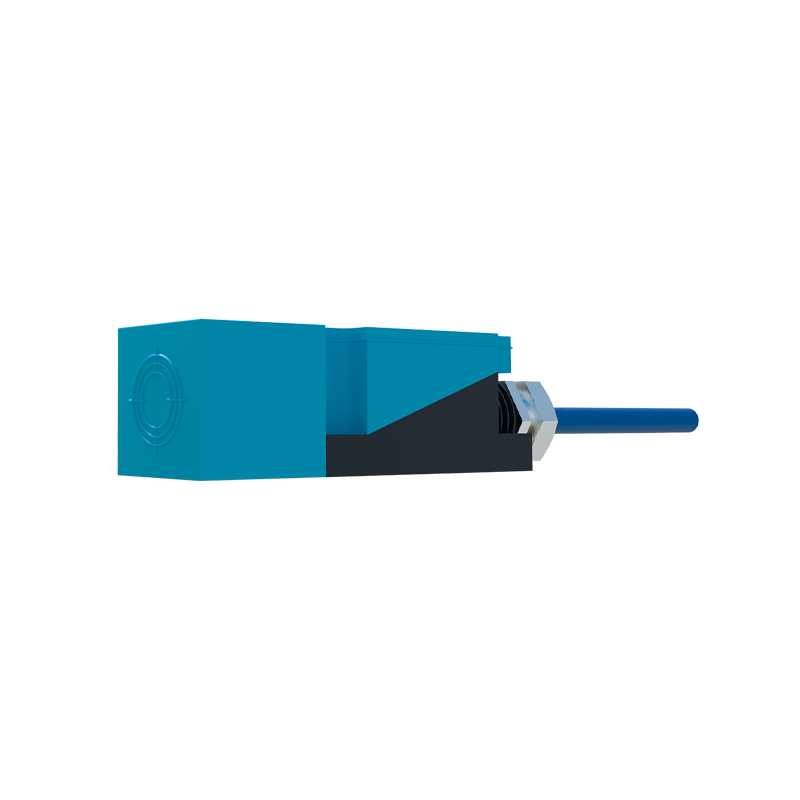
In conclusion, the proximity light sensor is a quintessential example of how a small, integrated hardware component can have a profound impact on the functionality and intelligence of electronic devices. By seamlessly merging the detection of presence with the measurement of light, it creates a more intuitive, efficient, and responsive interaction between humans and technology. Its continued refinement will undoubtedly underpin many future innovations in personal electronics, automotive systems, and smart environments.