Understanding the Fundamentals of 3-Wire Reflective Photoelectric Sensors
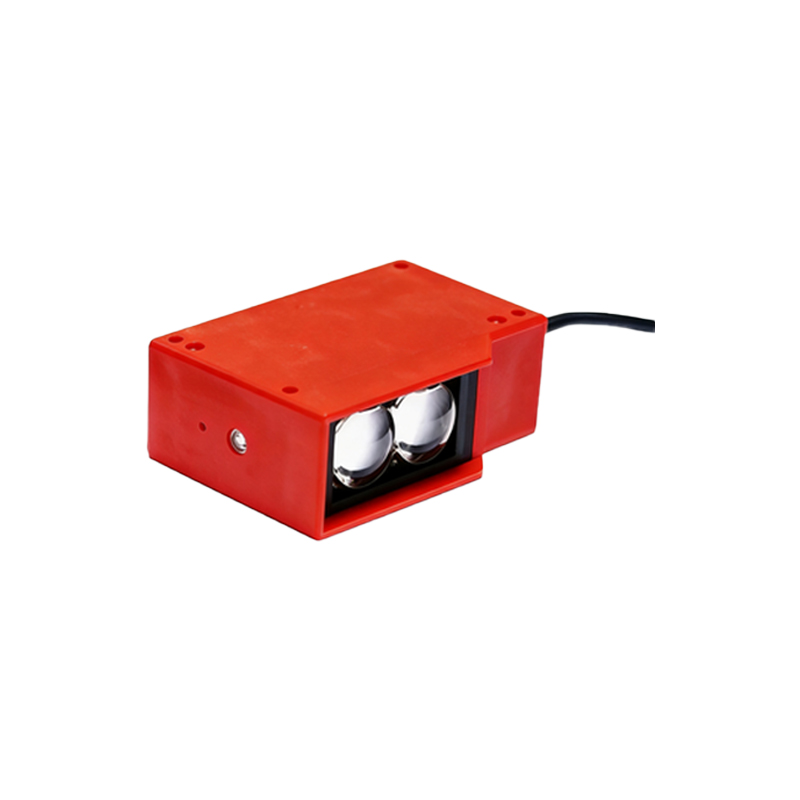
In industrial automation, reflective photoelectric sensors with three wires are a staple for non-contact object detection. The three wires typically consist of a power supply line (brown, Vcc, usually 10-30 VDC), a ground line (blue, 0V), and a signal output line (black, NPN or PNP). This configuration allows the sensor to be integrated into a control system, such as a PLC or relay. The key advantage of the three-wire design over two-wire sensors is its ability to provide a clean, isolated signal output, reducing false triggers from electrical noise. For instance, in a high-speed packaging line, these sensors detect transparent or reflective targets with precision, utilizing a focused LED beam and a receiver. Always verify the sensor's datasheet to confirm the wiring color code, as variations exist among manufacturers. Proper shielding of the cable is essential in environments with electromagnetic interference, such as near motors or inverters.
Wiring the 3-Wire Reflective Sensor: Brown, Blue, and Black
To wire a reflective photoelectric sensor correctly, start by connecting the brown wire to the positive terminal of the power supply, typically 24 VDC. The blue wire must connect to the system ground (0V). The black wire is the output; for an NPN sensor, this output sinks current to ground when detecting an object, so it should be connected to a load (e.g., a PLC input module) with a pull-up resistor to Vcc. In contrast, a PNP sensor sources current from Vcc to the output, requiring a pull-down resistor to ground. For example, in a conveyor system, a PNP sensor with a 2kΩ pull-down resistor ensures a stable high signal when a package is present. Always double-check the sensor type (NPN or PNP) before wiring to avoid damage. Use a multimeter to test continuity between the black wire and ground (NPN) or Vcc (PNP) when the sensor is activated.
Configuring the Output Signal for PLC Integration
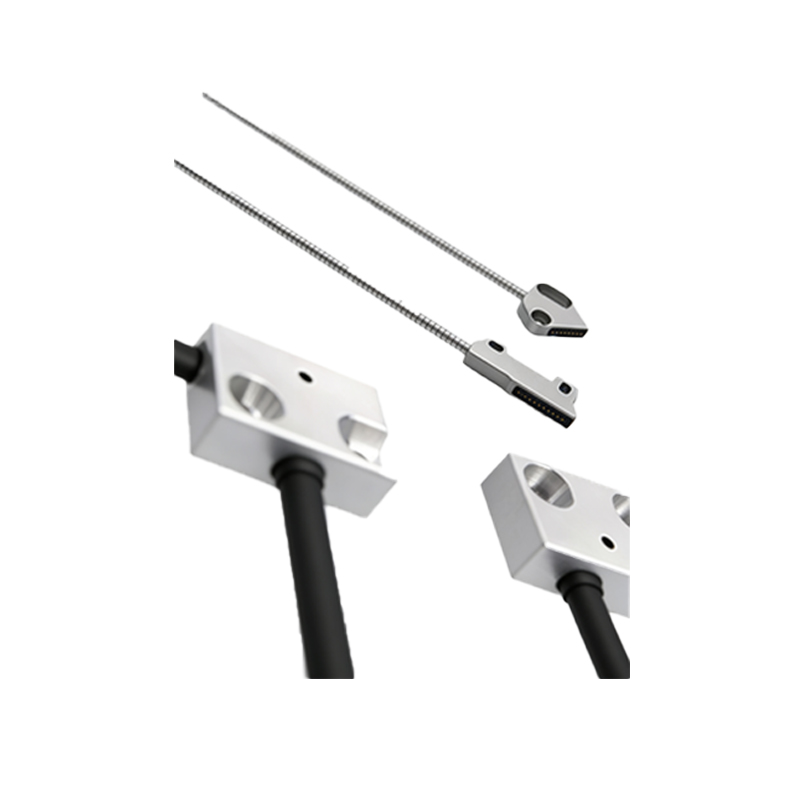
Integrating a 3-wire reflective sensor with a PLC requires careful configuration of the output signal. For a NPN sensor, connect the black wire to a digital input module set for sinking mode (often labeled as NPN or current sink). The PLC's input terminal should be pulled up to +24V internally or externally. For example, using a Siemens S7-1200, set the input type to "PNP" for sourcing sensors, but for NPN, use a resistor to pull the input up. In contrast, a PNP sensor connects to a sourcing input module. The sensor's detection range, typically 100mm to 2m, affects the output logic; adjust the sensitivity pot on the sensor for reliable detection of glossy or matte objects. Test the output by using a reflective target at the specified distance. Ensure the PLC program includes a debounce time (e.g., 10ms) to filter out transient signals from dust or vibration.
Troubleshooting Common Issues with 3-Wire Reflective Sensors
Common issues with 3-wire reflective photoelectric sensors include false triggering, no output, or erratic behavior. First, verify the power supply: measure voltage between brown and blue wires with a multimeter; it should be within the rated range (e.g., 10-30 VDC). If the output is stuck on or off, check the wiring polarity and the load resistor. For example, an NPN sensor left floating without a pull-up resistor may float to an indeterminate state. Adjust the sensor's sensitivity trimmer to match the target's reflectivity; a low-gloss object may require a higher threshold. Environmental factors like ambient light from LEDs or sunlight can saturate the receiver; use a modulated sensor to filter out background light. If the sensor fails in a dusty area, clean the lens with a lint-free cloth. Replace the sensor if the internal LED indicator remains off despite correct power.
Selecting the Right Sensor for Application Requirements
Choosing the correct 3-wire reflective sensor depends on the application's specific needs. For detecting clear glass or plastic bottles, use a polarized reflective sensor with a 90-degree polarizing filter to avoid false reflections. For long-range detection over 2 meters, consider a retro-reflective sensor with a reflector, but ensure the sensor's output type matches your control system. For example, in a warehouse, a PNP sensor with a 10m range is ideal for pallet detection. Evaluate the cable length; sensors with shielded cables reduce noise in long runs over 10 meters. Also, consider the housing material: stainless steel for washdown environments, or plastic for cost-sensitive projects. Always check the ingress protection (IP) rating, such as IP67 for outdoor use. Consulting the sensor's beam angle and response time (e.g., 1ms) ensures accurate detection of fast-moving items on a conveyor belt.