2026-06-06
Tech Hub
By 创始人
How Photoelectric Sensors Detect Color Values: A Technical Guide for Engineers
Understanding the Principle of Color Detection
Photoelectric sensors designed for color detection operate on the principle of light reflection and spectral analysis. Unlike standard photoelectric sensors that simply detect the presence or absence of an object, color sensors emit a broad spectrum of white light onto a target surface. The reflected light is then captured by a photodetector, which splits it into its constituent wavelengths—typically red, green, and blue (RGB) components. By analyzing the intensity ratios of these three primary colors, the sensor can identify a specific color value. This method relies on the object’s surface properties, such as reflectance and texture, to ensure accurate discrimination. In industrial applications, this technology is crucial for quality control, sorting, and automation processes.
Key Components and Their Roles
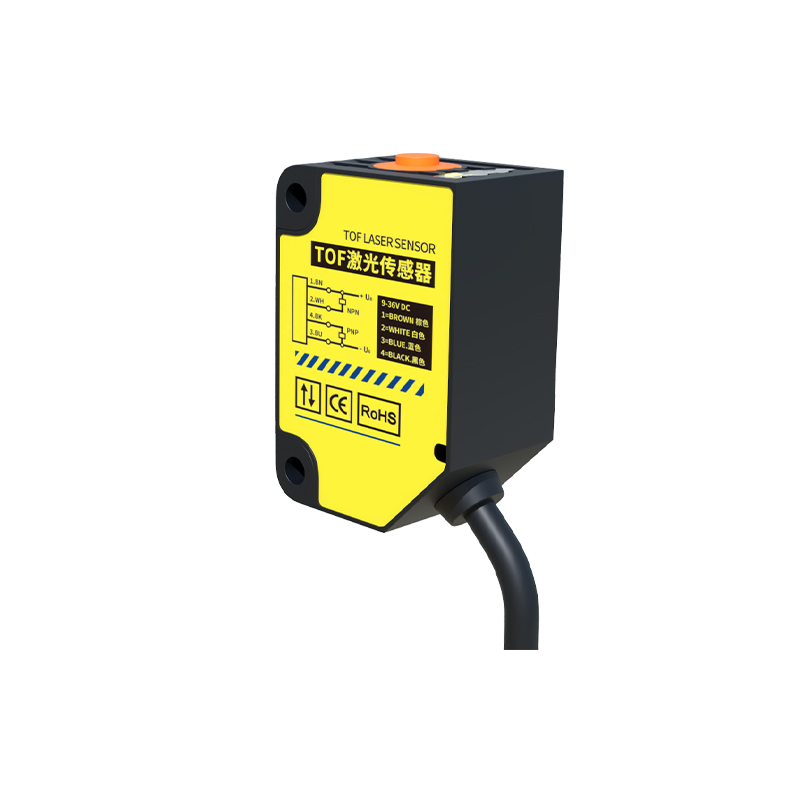
A typical photoelectric color sensor consists of three main components: an LED light source, a receiver lens, and a signal processor. The LED source, often a white or multi-wavelength emitter, provides consistent illumination to minimize environmental interference. The receiver lens focuses the reflected light onto a photodiode array or a color filter-based detector. High-end sensors use dichroic filters or CMOS sensors to achieve greater spectral resolution. The signal processor then converts the analog light intensities into digital color values, comparing them against pre-programmed reference thresholds. Calibration is critical; engineers must adjust the sensor’s gain and offset to account for variations in target distance, angle, and ambient lighting.
Factors Affecting Detection Accuracy
Several variables influence the precision of color detection in photoelectric sensors. Surface finish is a major factor—glossy or reflective surfaces can cause specular reflections, leading to erroneous readings. Matte surfaces, on the other hand, produce more diffuse reflection, improving consistency. The angle of incidence also matters; sensors are typically optimized for a 0° to 30° angle from the target normal. Ambient light, especially from fluorescent or LED sources, can introduce noise, requiring the use of modulated light or optical filters. Additionally, temperature fluctuations can shift the sensor’s calibration, necessitating thermal compensation circuits. For reliable performance, engineers should conduct a thorough site survey and select sensors with built-in ambient light rejection.
Common Applications in Industry
Photoelectric color sensors are widely deployed in manufacturing and packaging. In the food industry, they distinguish between ripeness stages of fruits or check for label color consistency. In automotive assembly, they verify the correct color of wiring harnesses or plastic components. Printers and textile machines use them to monitor ink or dye application in real time. Another key application is in recycling plants, where sensors sort plastics by color for efficient material recovery. The ability to detect subtle color differences—down to a few Delta E units—makes these sensors invaluable for zero-defect manufacturing.
Selection and Integration Tips
When choosing a photoelectric color sensor, consider the detection range, response time, and color resolution. For high-speed lines, sensors with millisecond response times are essential. Ensure the sensor’s output interface (e.g., IO-Link, analog, or discrete) matches your control system. Integration requires careful mounting; avoid vibrations and ensure a stable target distance. Many modern sensors offer teaching modes, allowing operators to set color thresholds without programming. For complex environments, use sensors with multi-spot or area detection capabilities. Regular cleaning of the optical window is also recommended to prevent dust accumulation from degrading performance.