Introduction to Edge Optoelectronic Sensors
Edge optoelectronic sensors are a critical component in modern industrial automation systems. These sensors detect objects, measure distances, and monitor environmental changes with high precision. Unlike traditional sensors, edge devices process data locally, reducing latency and bandwidth usage. This capability is essential for real-time control in manufacturing lines, packaging, and material handling. As an electrical engineer, I recommend these sensors for applications requiring fast response and reliability.
Working Principle and Key Technologies
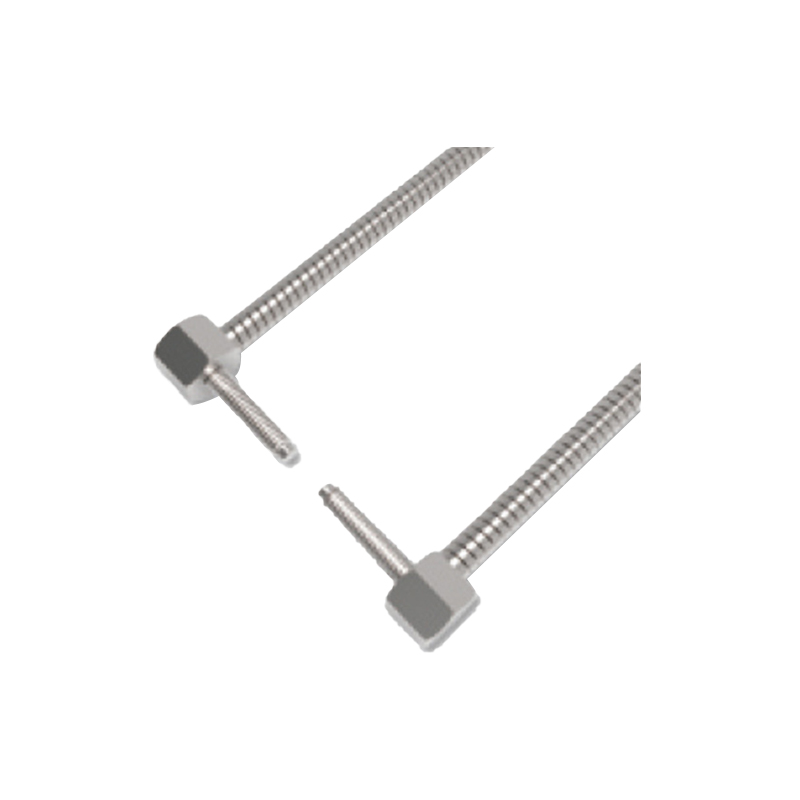
Edge optoelectronic sensors operate by emitting light beams, typically infrared or laser, and analyzing the reflected signal. The sensor's edge computing unit processes the data onboard, using algorithms to filter noise and detect changes instantly. Key technologies include pulsed light emission, time-of-flight measurement, and photodiode arrays. These features enable accurate detection even in harsh environments with dust or vibration. For instance, in a conveyor belt system, a sensor can detect product misalignment within milliseconds, triggering corrective actions without central system delays.
Industrial Application Scenarios
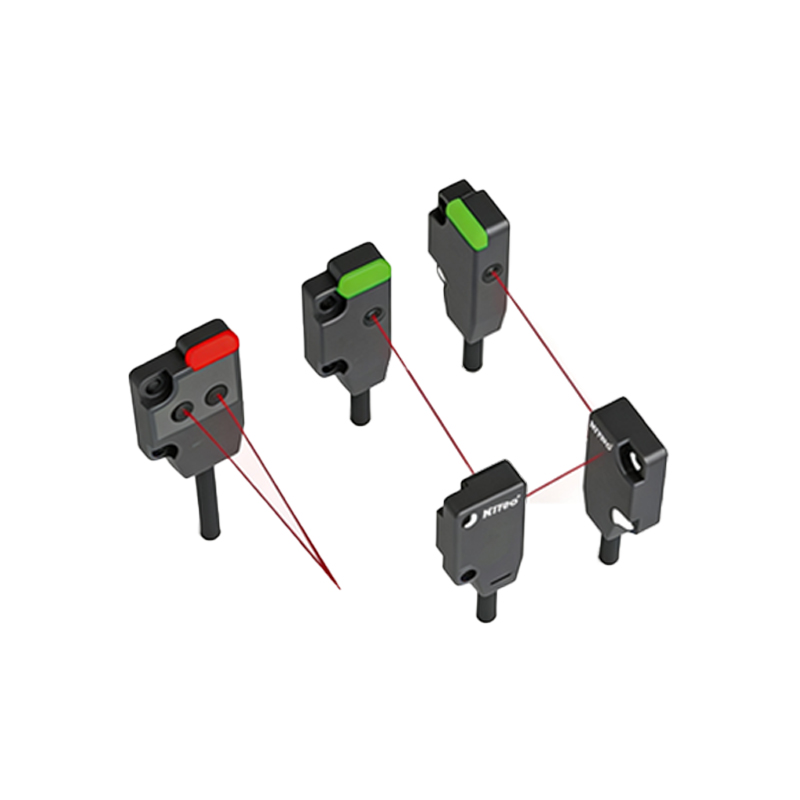
In automotive assembly, edge optoelectronic sensors monitor robotic arm positions and part presence. They ensure components are placed correctly before welding or painting. In food and beverage packaging, these sensors verify seal integrity and label alignment at high speeds. Another common use is in warehouse logistics, where sensors guide automated guided vehicles (AGVs) along predefined paths. The local processing reduces communication bottlenecks, improving throughput by up to 30% in some installations.
Advantages Over Conventional Sensors
Compared to photoelectric sensors with centralized controllers, edge versions offer superior performance. They eliminate the need for constant data transmission to a PLC, reducing wiring complexity and cost. Power consumption is also optimized, as the sensor only transmits critical alerts rather than raw data. Additionally, edge sensors can adapt to changing conditions on the fly, such as varying light levels or object colors, through self-calibration algorithms. This adaptability extends maintenance intervals and reduces downtime.
Integration and Installation Best Practices
When integrating edge optoelectronic sensors into existing systems, consider mounting angle and distance. For diffuse sensors, ensure the target surface has adequate reflectivity. Use shielded cables to minimize electromagnetic interference in factory environments. Configure the sensor's sensitivity and threshold settings via its built-in interface or remote software. I recommend testing with real production samples to fine-tune parameters. Always follow manufacturer guidelines for temperature and humidity ranges to ensure longevity.
Future Trends and Innovations
The next generation of edge optoelectronic sensors will incorporate AI-based pattern recognition. This will enable predictive maintenance by detecting early signs of component wear. Wireless connectivity, such as 5G or Wi-Fi 6, will further enhance data sharing across factory networks. Additionally, smaller form factors and lower power designs will expand use cases in mobile robotics and portable inspection devices. As the industry moves toward Industry 4.0, these sensors will play a pivotal role in creating smart, self-optimizing production lines.