Understanding the Role of Photoelectric Sensors in Metallurgy
In the demanding environment of metallurgical processes, photoelectric sensors play a critical role in ensuring precision, safety, and efficiency. These sensors are used for detecting molten metal levels, guiding robotic arms in high-temperature zones, and monitoring conveyor systems in steel mills. Unlike standard industrial sensors, metallurgical-grade photoelectric sensors must withstand extreme heat, dust, vibrations, and electromagnetic interference. Leading manufacturers specialize in ruggedized designs with IP67 or higher protection ratings, ensuring reliable performance in blast furnaces, rolling mills, and smelting operations.
Key Technical Specifications for Metallurgical Photoelectric Sensors
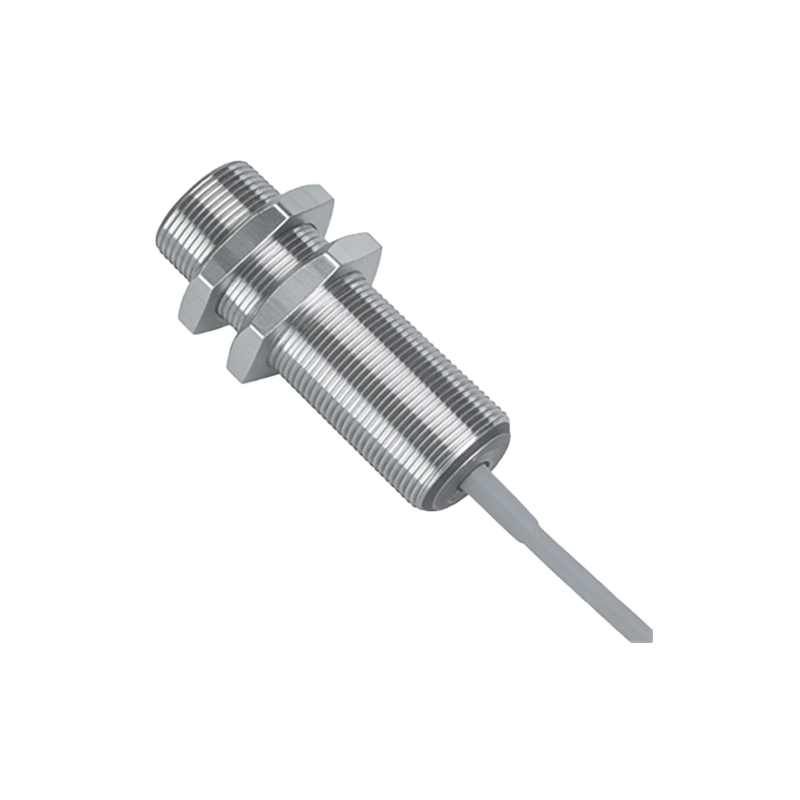
When selecting a sensor for metallurgy, engineers prioritize specific features. High-temperature resistance, often up to 200°C or more, is mandatory for proximity detection near furnaces. Laser-based photoelectric sensors offer superior accuracy for measuring distances in continuous casting processes. Additionally, sensors with background suppression technology are preferred to ignore false signals from reflective metal surfaces. Many top manufacturers now integrate IO-Link communication for real-time diagnostics, allowing predictive maintenance in harsh environments.
Leading Global Manufacturers in the Metallurgical Sensor Market
Several companies have established themselves as trusted suppliers for the metallurgy sector. SICK AG offers the VTF and PLS series, designed with robust metal housings and anti-corrosive coatings for steel plants. Banner Engineering provides the QS30 series, featuring advanced ambient light immunity for outdoor stockyard applications. Pepperl+Fuchs focuses on explosion-proof sensors for gas-rich environments in non-ferrous metal processing. These manufacturers also offer customized solutions, such as fiber optic amplifiers for confined spaces in foundries.
Case Study: Sensor Implementation in a Steel Rolling Mill
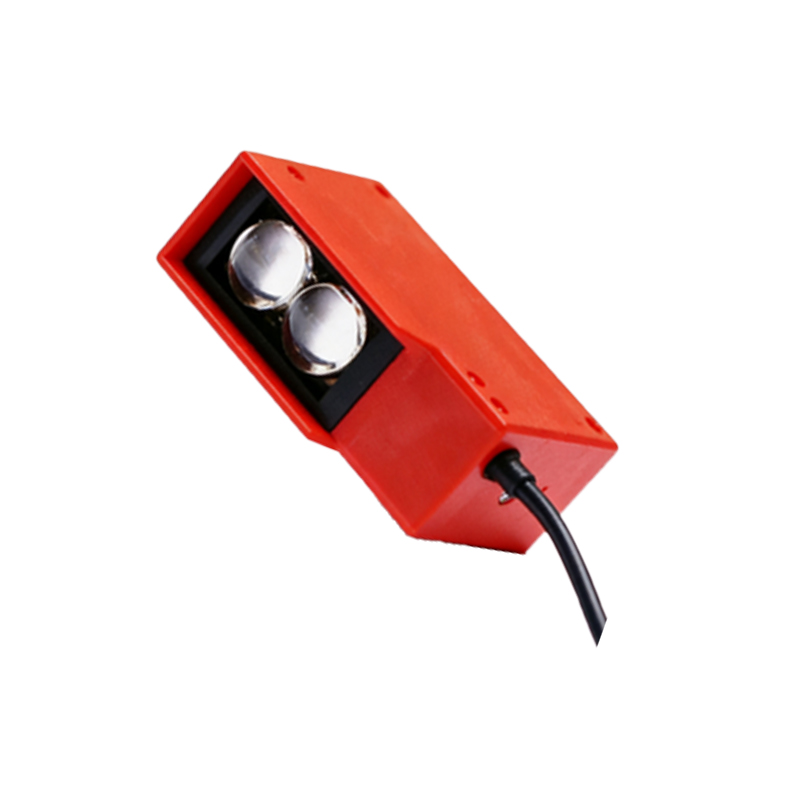
A leading European steel manufacturer recently upgraded its hot rolling line with photoelectric sensors from a specialized supplier. The challenge was detecting red-hot billets moving at high speeds while minimizing downtime from sensor contamination. The solution involved using air-purge systems and sapphire lenses on the sensors, achieving a 40% reduction in maintenance intervals. This example highlights how expert manufacturers collaborate with end-users to solve unique metallurgical challenges.
How to Evaluate and Choose the Right Manufacturer
For procurement engineers, selecting a manufacturer involves more than comparing price lists. Key criteria include compliance with industrial standards like IEC 60947-5-2, availability of high-temperature cables, and warranty terms for heavy-duty use. It is also advisable to request thermal shock test reports and check for certifications such as ATEX for hazardous locations. Top-tier manufacturers offer free sample testing in simulated metallurgical environments, which is invaluable for validating sensor performance before bulk orders.
Future Trends in Metallurgical Photoelectric Sensor Technology
The industry is moving towards smart sensors with edge computing capabilities. Manufacturers are developing sensors that can self-calibrate based on thermal expansion changes in machinery. Another trend is the adoption of 3D time-of-flight sensors for volumetric measurements in ore handling. As sustainability becomes a priority, energy-harvesting photoelectric sensors using thermoelectric generators are emerging, eliminating the need for battery replacements in remote metallurgical sites.