Introduction to Photoelectric Sensors in Sanding Applications
Photoelectric sensors are critical components in modern sanding machines, ensuring precise material detection, feed control, and safety. As an electrical engineer with years of industrial experience, I recommend evaluating sensors based on environmental resistance, detection range, and response speed. The harsh conditions of sanding—dust, vibration, and abrasive particles—demand robust solutions. This article compares leading sensor types to help you select the optimal one.
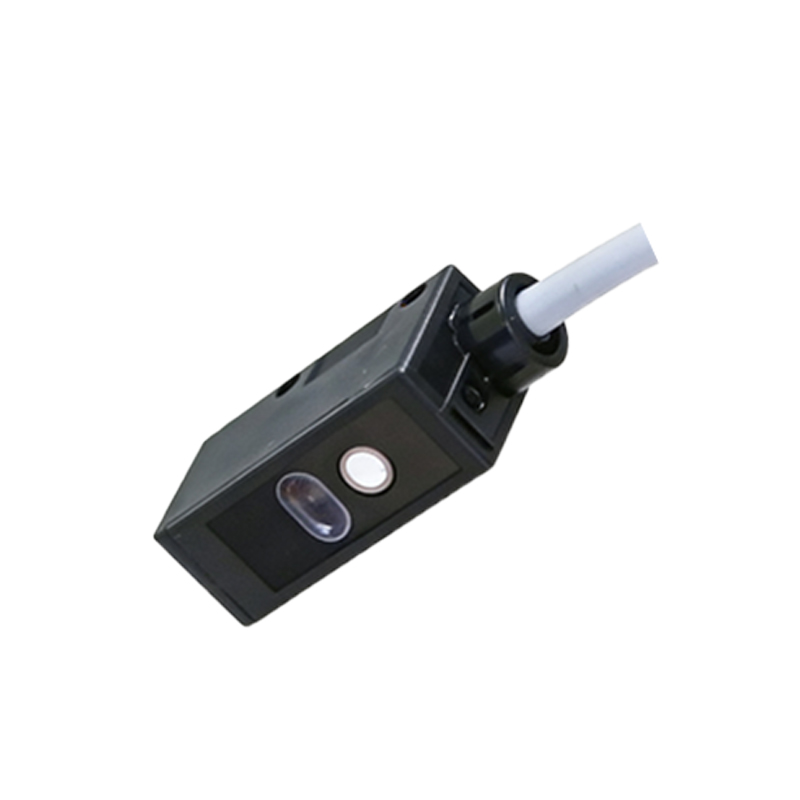
Key Factors for Sensor Selection in Sanding Environments
Dust and debris are primary challenges. Through-beam sensors, with separate emitter and receiver, offer the highest reliability in heavy dust because their light beam cuts through particles effectively. However, they require alignment and are less space-efficient. Retro-reflective sensors, which use a reflector, are easier to install but may struggle with reflective surfaces or heavy contamination. For confined spaces, diffuse reflection sensors are compact but have limited range and accuracy. Additionally, consider IP67 or IP69K ratings for protection against ingress. Response time below 1 ms is essential for high-speed sanding lines.
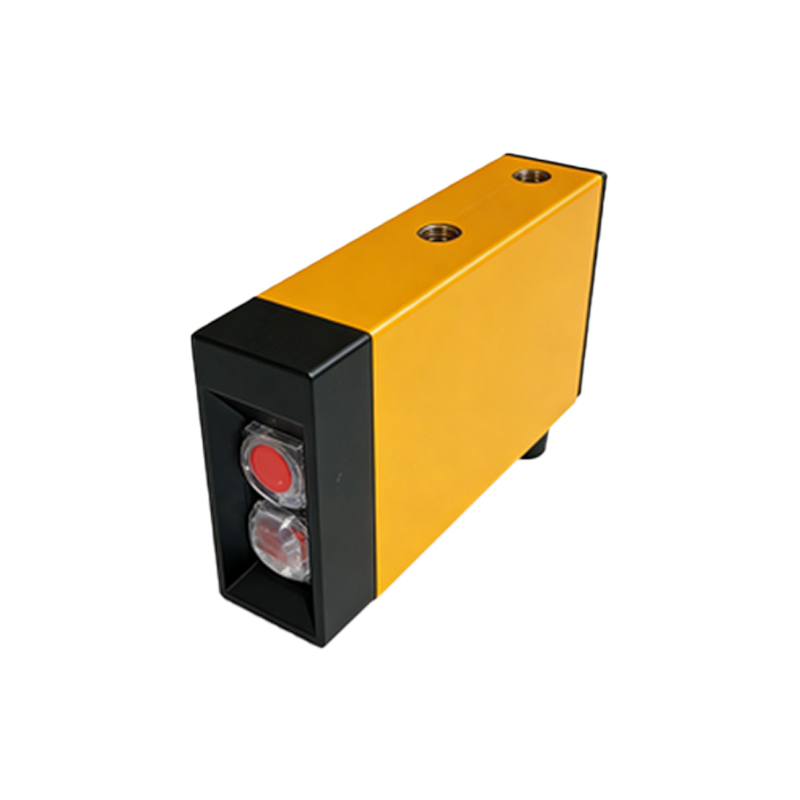
Top Sensor Types for Sanding Machines
1. Through-beam sensors: Best for long-range detection (up to 30 m) and dusty environments. Example: SICK WL12G-3P2432. They are immune to background interference.
2. Retro-reflective sensors with polarization: Good for moderate dust, with ranges up to 15 m. Example: Banner QS18VP6LP. They filter out false triggers from reflective materials.
3. Diffuse sensors with background suppression: Ideal for short-range detection (0-200 mm) of wood or metal parts. Example: Omron E3Z-D61. They ignore background objects but are sensitive to dust accumulation.
4. Fiber optic sensors: Excellent for extreme precision in small spaces, but require clean environments.
Practical Recommendations from Field Experience
For heavy-duty sanding operations, I strongly advise through-beam sensors with air purge systems to keep optics clean. For belt tracking and workpiece presence detection, retro-reflective sensors with built-in contamination monitoring (e.g., Baumer OHR 200) reduce maintenance downtime. Avoid standard diffuse sensors unless you install protective housings with compressed air cleaning. In my projects, combining through-beam for safety zones and retro-reflective for feed control has yielded 99.8% detection reliability, even with high dust loads.
Installation and Maintenance Best Practices
Mount sensors away from direct vibration paths using dampening brackets. Use quick-disconnect connectors for easy replacement. Schedule weekly cleaning of optical surfaces using soft cloths and isopropyl alcohol. For dusty environments, install sensor protective shields or use sensors with IP69K ratings. Always test alignment after maintenance to ensure hysteresis remains within 10% of the set threshold.
Final Verdict: Which Sensor Is Best?
There is no one-size-fits-all answer. For maximum reliability in heavy dust, choose through-beam sensors like the SICK WL12-3 series. For balanced cost and performance in moderate conditions, retro-reflective sensors with polarization filters are optimal. For space-constrained or short-range needs, diffuse sensors with background suppression are adequate. Prioritize sensors with adjustable gain and LED indicators for troubleshooting. In any case, invest in sensors with at least 10-year life expectancy from reputable brands like SICK, Banner, or Omron.