Introduction to Slot-Type Photoelectric Sensors
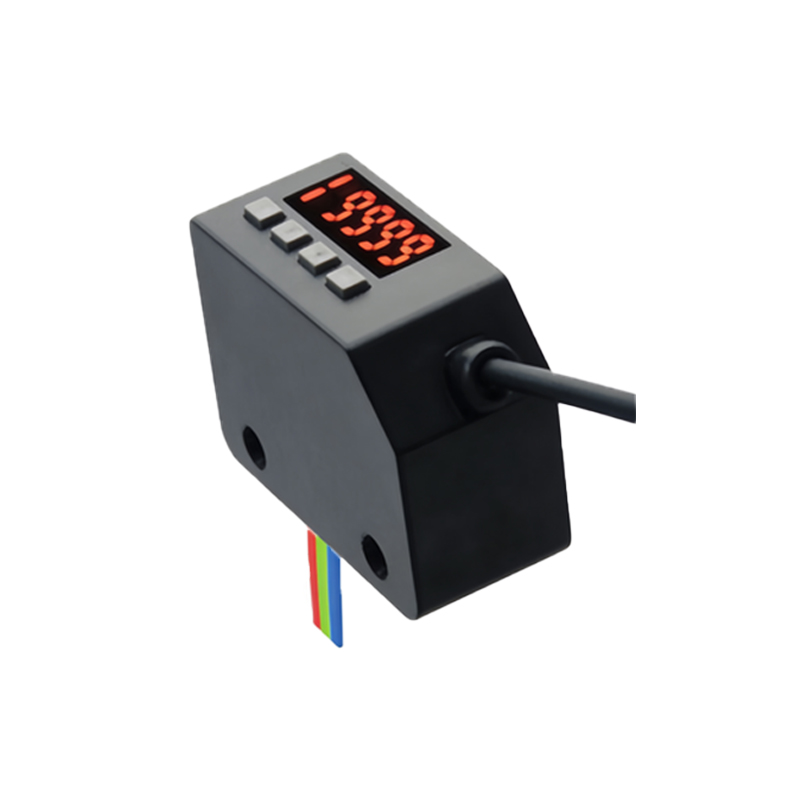
Slot-type photoelectric sensors, also known as fork sensors, are essential components in modern industrial automation systems. Unlike traditional photoelectric sensors, these devices integrate the emitter and receiver within a single housing, creating a U-shaped sensing slot. This design eliminates complex alignment procedures and enhances reliability in harsh environments. As an electrical engineer, I have observed that slot sensors excel in detecting objects with high precision, making them ideal for applications such as counting, positioning, and presence detection. Their robust construction and immunity to ambient light interference ensure consistent performance in manufacturing lines.
Working Principle and Optical Design
The core operation of a slot-type sensor relies on the interruption of a light beam between the transmitter and receiver, typically using infrared or visible red light. When an object passes through the slot, it breaks the beam, triggering a digital output signal. The sensing distance is fixed by the slot width, ranging from 5 mm to 50 mm, which guarantees repeatable accuracy. Engineers must consider the optical aperture and modulation frequency to minimize false triggers from dust or vibration. For example, modulated LEDs with synchronous detection reduce noise from ambient sunlight or fluorescent lighting, a critical feature in outdoor or high-glare settings.
Key Advantages in Industrial Environments
One major benefit of slot sensors is their resistance to misalignment since the emitter and receiver are pre-aligned in a rigid frame. This eliminates the need for frequent recalibration, reducing maintenance costs. Additionally, the compact form factor allows installation in tight spaces, such as conveyor belts or robotic arms. The sealed housing, often rated IP67, protects against moisture, oil, and dust, ensuring longevity in factories. For engineers, the ability to detect transparent or thin objects, like glass or film, is another advantage, as the through-beam design is less affected by target reflectivity compared to diffuse sensors.
Common Applications in Manufacturing
Slot-type photoelectric sensors are widely used in packaging machinery for counting products, such as bottles or boxes, on high-speed lines. They also serve in elevator door safety systems to prevent closure when an object is present. In material handling, these sensors detect the presence of labels or tape on cartons, ensuring quality control. For metalworking, they can monitor part assembly in stamping presses. The fast response time, typically below 1 millisecond, makes them suitable for applications exceeding 1000 parts per minute, as seen in sorting systems. Always verify the slot width matches the target size to avoid false signals.
Selection Criteria for Engineers
When selecting a slot sensor, consider the following parameters: slot width, output type (NPN, PNP, or push-pull), and cable length. For example, a 10 mm slot with a PNP output is common for digital logic inputs in PLC systems. The light source wavelength also matters: infrared for opaque objects and visible red for transparent materials. Additionally, evaluate the ambient temperature range, typically -25°C to 55°C, and the housing material, such as die-cast zinc for durability. I recommend consulting the datasheet for hysteresis and sensitivity adjustments to fine-tune performance in noise-prone environments.
Installation and Troubleshooting Tips
Proper installation requires mounting the sensor perpendicular to the target path and ensuring the object fully blocks the beam. Use a shielded cable to prevent electromagnetic interference from nearby motors or inverters. Common issues include dust buildup on the lens, which can be mitigated with regular cleaning using a soft cloth. If false triggers occur, check the sensitivity potentiometer or the supply voltage stability. For high-vibration areas, secure the cable with clamping brackets. Always conduct a functional test with a calibration tool to verify the switching distance before integration.
Conclusion and Future Trends
Slot-type photoelectric sensors remain a cornerstone of industrial sensing due to their simplicity and reliability. Future trends include integration with IO-Link for real-time diagnostics and predictive maintenance, as well as miniaturization for microassembly lines. As electrical engineers, we must stay updated on these advancements to optimize system design. For now, mastering the fundamentals of slot sensors will ensure robust automation solutions in any industry.