Introduction to Photoelectric Sensor Detection Brackets
Photoelectric sensors are critical components in modern industrial automation systems, enabling precise object detection, counting, and positioning. The detection bracket, which holds and aligns the sensor with the target, plays a pivotal role in ensuring consistent performance. A poorly designed bracket can lead to false triggers, misalignment, or sensor damage, especially in harsh environments. This article provides a technical overview of optimizing detection brackets for photoelectric sensors, focusing on material selection, mounting configurations, and image-based alignment techniques.
Key Factors in Bracket Design for Industrial Applications
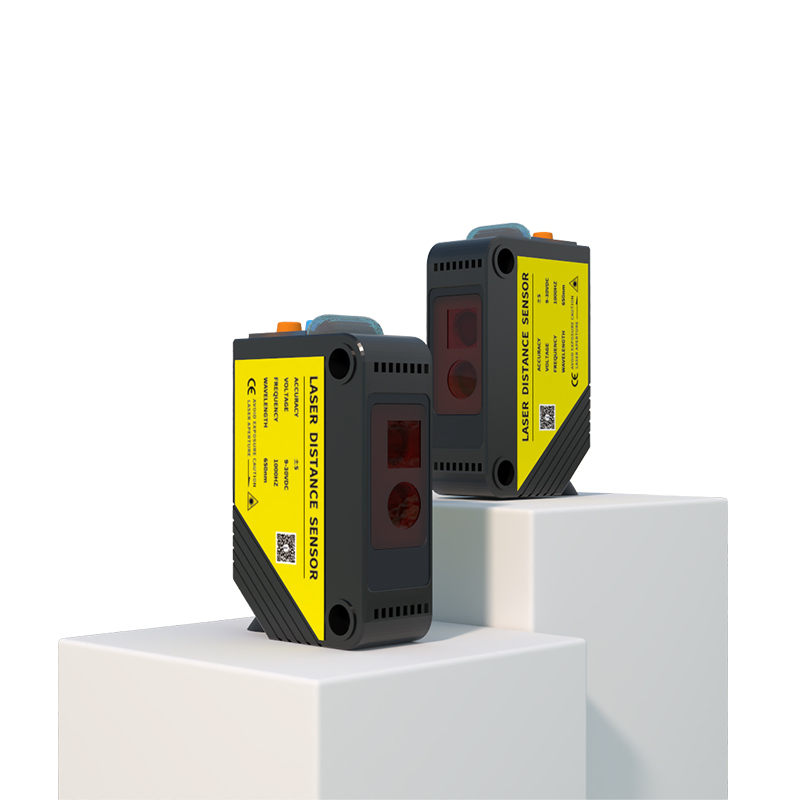
When designing a detection bracket, engineers must consider the sensor type (through-beam, retro-reflective, or diffuse), operating distance, and environmental conditions like vibration, dust, or moisture. For example, through-beam sensors require precise alignment of emitter and receiver, so brackets should incorporate adjustable slots or pivot points. Retro-reflective sensors need brackets that securely hold the reflector at a fixed angle. Material choice is also vital: stainless steel or anodized aluminum brackets resist corrosion in wet or chemical-laden factories, while heavy-duty steel brackets withstand high-vibration machinery.
Image-Based Alignment Techniques for Bracket Installation
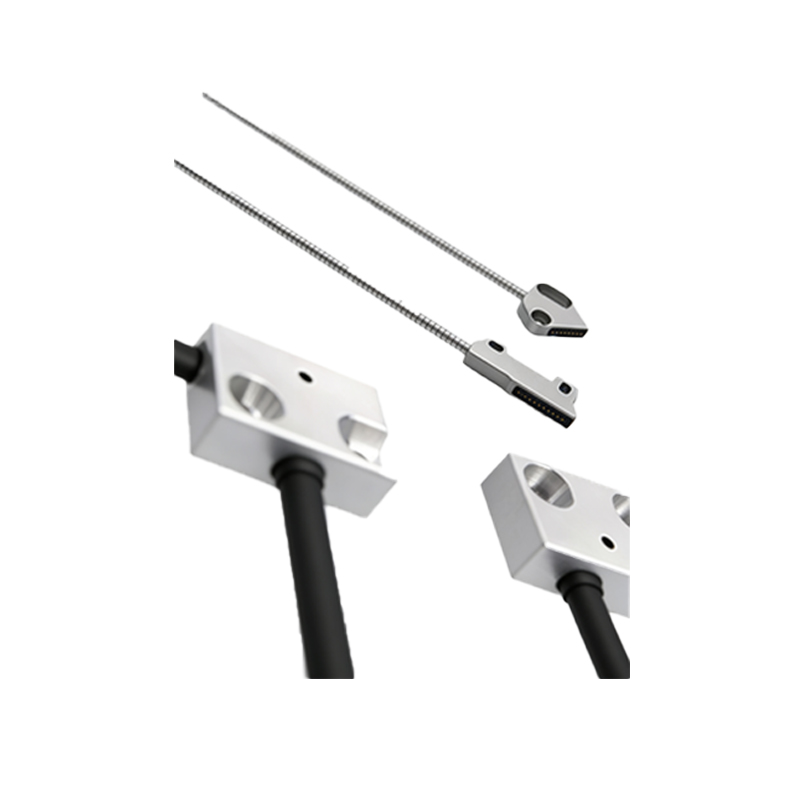
To achieve optimal sensor performance, image-based alignment methods are increasingly used. High-resolution cameras capture the sensor's beam path and bracket position, allowing software to calculate alignment errors. Engineers can then adjust the bracket using fine-thread screws or laser-guided mounts. This approach reduces installation time and eliminates guesswork, particularly in complex multi-sensor arrays. For instance, in a conveyor system, aligning brackets via image analysis ensures each sensor detects products at the correct height and angle, minimizing false readings.
Common Bracket Types and Their Use Cases
Several bracket types are standard in photoelectric sensor applications. L-shaped brackets are versatile for side-mounting sensors on frames. U-channel brackets allow for vertical adjustment, ideal for diffuse sensors scanning varying heights. Swivel brackets with ball joints offer 360-degree positioning, suitable for retro-reflective setups. Each type has specific advantages: L-brackets provide rigidity, while swivel brackets offer flexibility. Engineers should match the bracket type to the sensor's detection pattern and the industrial environment's space constraints.
Practical Recommendations for Maintenance and Troubleshooting
Regular inspection of detection brackets is essential for long-term reliability. Check for signs of wear, such as corrosion, loose fasteners, or misalignment due to thermal expansion. Use torque wrenches to tighten bolts to manufacturer specifications, and apply thread-locking compounds in high-vibration areas. For troubleshooting, a simple test involves placing a target at the sensor's specified range and verifying the bracket maintains alignment. If false signals occur, inspect the bracket's surface for debris or damage, and recalibrate using the image-based techniques mentioned earlier.
Conclusion: Enhancing Automation with Proper Bracket Design
In summary, photoelectric sensor detection brackets are not mere supports but integral components that influence system accuracy and uptime. By prioritizing robust materials, adjustable designs, and image-based alignment, engineers can significantly reduce installation errors and operational failures. As automation demands grow, investing in high-quality brackets and proper maintenance practices will ensure reliable detection in production lines, warehouses, and robotic systems.