In the world of industrial automation and smart devices, proximity switch sensors are the silent, unseen heroes. These remarkable electronic components detect the presence or absence of an object without any physical contact. Their ability to perform reliably in harsh environments, provide high-speed response, and offer long operational life has made them indispensable across countless sectors. This guide delves into the core principles, various types, key applications, and critical factors for selecting the right sensor for your needs.
At its heart, a proximity sensor works by emitting an electromagnetic field or a beam of radiation (like infrared light). It then looks for changes in the field or the return signal. The target object itself becomes the "actuator." When it enters the sensing range, it causes a detectable change—such as eddy currents in a metal object or the reflection of light—which the sensor converts into an electrical output signal. This "non-contact" principle is the source of their major advantages: no mechanical wear, no physical force on the object, and exceptional durability.
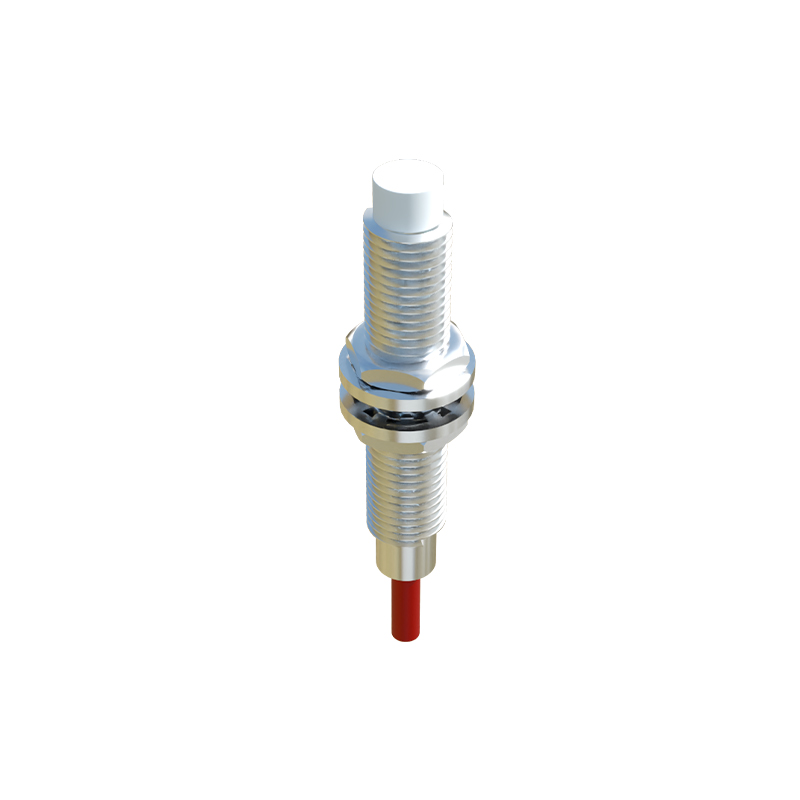
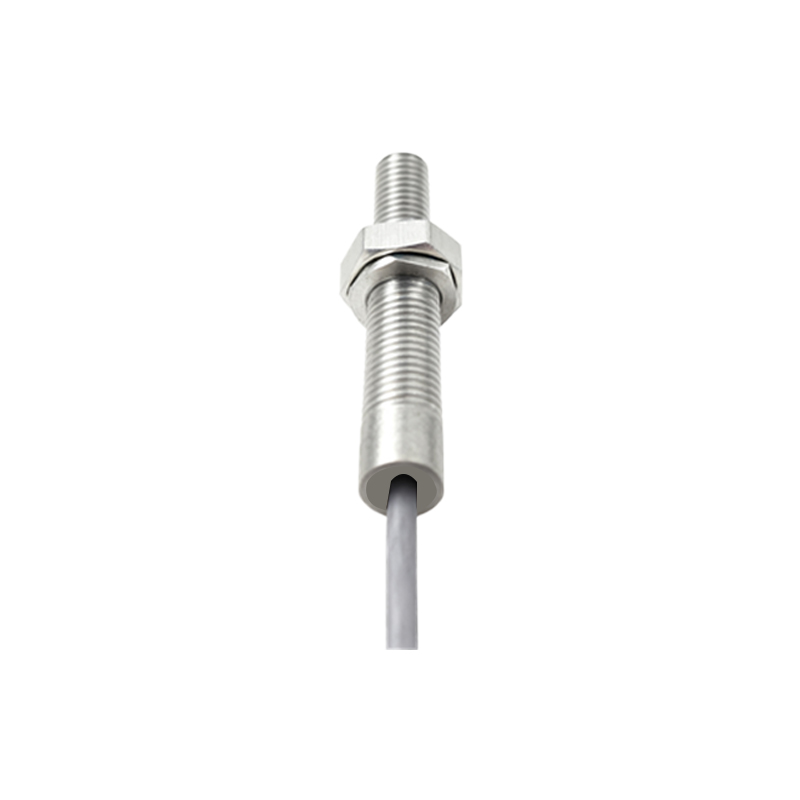
Several primary technologies dominate the proximity sensor landscape, each with distinct characteristics. Inductive proximity sensors are perhaps the most common in industrial settings. They generate an oscillating electromagnetic field and detect the eddy current losses caused when a metallic target enters this field. They are robust, precise, and exclusively detect metals, making them perfect for machine tools, robotic arms, and metal detection in conveyor systems.
Capacitive proximity sensors, on the other hand, can detect both metallic and non-metallic materials—liquids, plastics, wood, or granules. They function by measuring changes in capacitance between the sensor and the target. This makes them versatile for applications like level detection in tanks, material handling, and presence detection of packaged goods.
For longer ranges and detection of virtually any material, photoelectric sensors are the go-to choice. They operate by projecting a light beam (often infrared, visible red, or laser) and detecting its reflection or interruption. They come in through-beam, retro-reflective, and diffuse reflective modes, offering solutions for complex tasks on packaging lines, in automated warehouses, and for object counting.
Ultrasonic sensors use sound waves beyond human hearing. They measure the time it takes for an emitted sound pulse to bounce back from a target. Excellent for detecting transparent objects, liquids, or uneven surfaces, they are widely used in level monitoring, distance measurement, and collision avoidance in vehicles or AGVs (Automated Guided Vehicles).
The applications are as diverse as the technologies. In automotive manufacturing, inductive sensors ensure precise positioning of engine parts. In the food and beverage industry, capacitive sensors monitor liquid levels in stainless steel vats, while photoelectric sensors verify label placement on bottles. In consumer electronics, miniature proximity sensors deactivate touchscreens when a phone is held to the ear. They are fundamental to modern safety systems, acting as interlock switches on machine guards to prevent operation when a door is open.
Selecting the appropriate proximity switch sensor requires careful consideration of several parameters. First, define the target material (metal, plastic, liquid). Next, determine the required sensing distance or range, noting that manufacturer specifications are typically for a standard target. The operating environment is crucial—consider factors like temperature extremes, moisture, dust, or chemical exposure, which dictate the sensor's housing material and IP (Ingress Protection) rating. The output type (NPN/PNP transistor, analog, or IO-Link digital) must be compatible with your control system (e.g., PLC). Finally, consider the physical size and mounting style to fit the mechanical constraints of the application.
Installation and maintenance are straightforward but vital. Ensure proper mounting, adequate clearance from metal surfaces to avoid false triggering, and a stable power supply. While these sensors are designed for longevity, periodic checks for accumulated debris on the sensing face and verification of the output signal help maintain optimal system performance.
From streamlining complex assembly lines to enabling the simple automatic faucet, proximity switch sensors are a cornerstone of efficiency, safety, and innovation. Understanding their working principles and the strengths of each type empowers engineers, technicians, and designers to implement smarter, more reliable automated solutions. As Industry 4.0 and the Internet of Things (IoT) advance, these sensors will continue to evolve, becoming even more intelligent, connected, and integral to the automated world.