2026-06-06
Tech Hub
By 创始人
The Future of Photoelectric Sensors in Industrial Automation: Trends and Applications
Introduction to Photoelectric Sensors
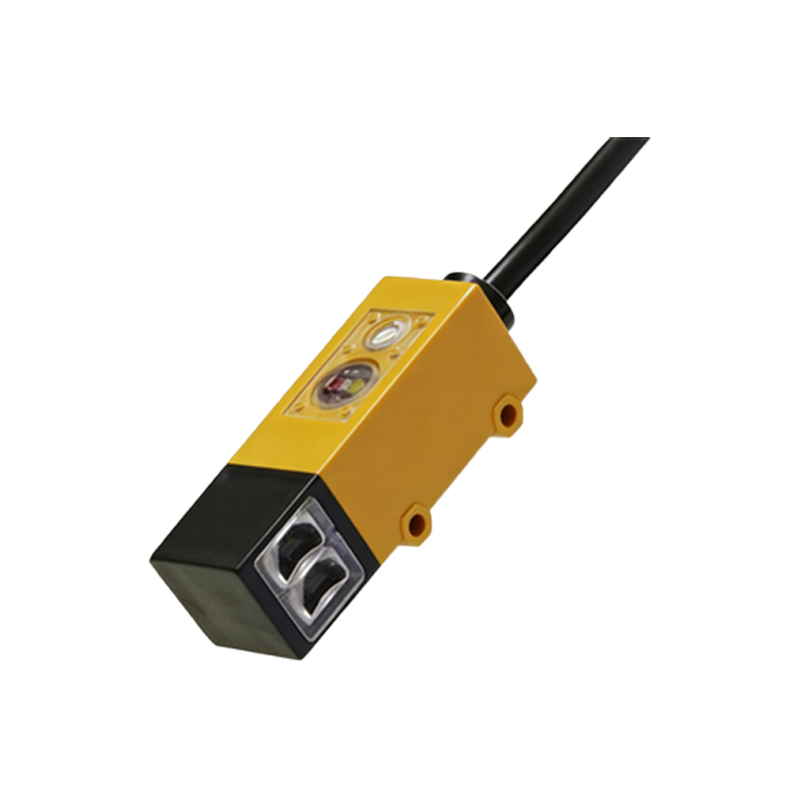
Photoelectric sensors are essential components in modern industrial automation, utilizing light beams to detect objects, distances, and presence without physical contact. They offer high accuracy, fast response times, and reliability in harsh environments. As industries move toward Industry 4.0, these sensors are becoming more intelligent, integrating with IoT and AI systems to enhance productivity.
Key Advantages Driving Adoption
These sensors excel in applications where mechanical switches fail, such as detecting transparent or small objects, in dusty or wet conditions, and at high speeds. Their non-contact nature reduces wear and maintenance costs. With advancements in laser and LED technology, photoelectric sensors now achieve longer detection ranges and better precision, making them ideal for packaging, material handling, and automotive assembly lines.
Emerging Applications in Smart Factories
In smart factories, photoelectric sensors are used for real-time monitoring and quality control. For example, in automated guided vehicles (AGVs), they ensure safe navigation and object avoidance. In logistics, they optimize sorting systems, detect package positions, and verify label placements. Their integration with PLCs and cloud platforms allows predictive maintenance, reducing downtime and improving operational efficiency.
Trends in Photoelectric Sensor Technology
Recent trends include miniaturization, increased use of background suppression for stable detection, and multi-point sensing for complex tasks. The development of IO-Link communication enables smart sensors to transmit diagnostic data, such as contamination levels or alignment status, directly to control systems. Additionally, energy-efficient designs with low power consumption support battery-operated wireless sensor networks in remote or mobile applications.
Challenges and Future Outlook
Despite their benefits, photoelectric sensors face challenges like interference from ambient light and limited performance in highly reflective or transparent targets. However, ongoing research in filter technologies and adaptive algorithms is overcoming these issues. The future will see wider adoption in collaborative robotics and augmented reality-assisted maintenance. As costs decrease and performance improves, photoelectric sensors will become ubiquitous in industries from food processing to pharmaceutical manufacturing.
Conclusion
Photoelectric sensors are pivotal for the next generation of industrial automation. Their versatility, combined with smart features, positions them as a key enabler for efficiency and innovation. Engineers should consider these sensors for new projects, as their evolving capabilities promise enhanced reliability and data-driven insights across various sectors.