Introduction to Reflection Photoelectric Sensors
Reflection photoelectric sensors, commonly known as retroreflective or diffused reflective sensors, are essential components in industrial automation. They operate by emitting a light beam, typically infrared or visible red, and detecting the reflected signal from a target or a specialized reflective surface. The performance and reliability of these sensors heavily depend on the type and condition of the reflective surface used. In this article, we will explore the key characteristics of reflective surfaces, their impact on sensor accuracy, and best practices for selection in industrial environments. Understanding these factors ensures optimal detection range, reduced false triggers, and enhanced system longevity.
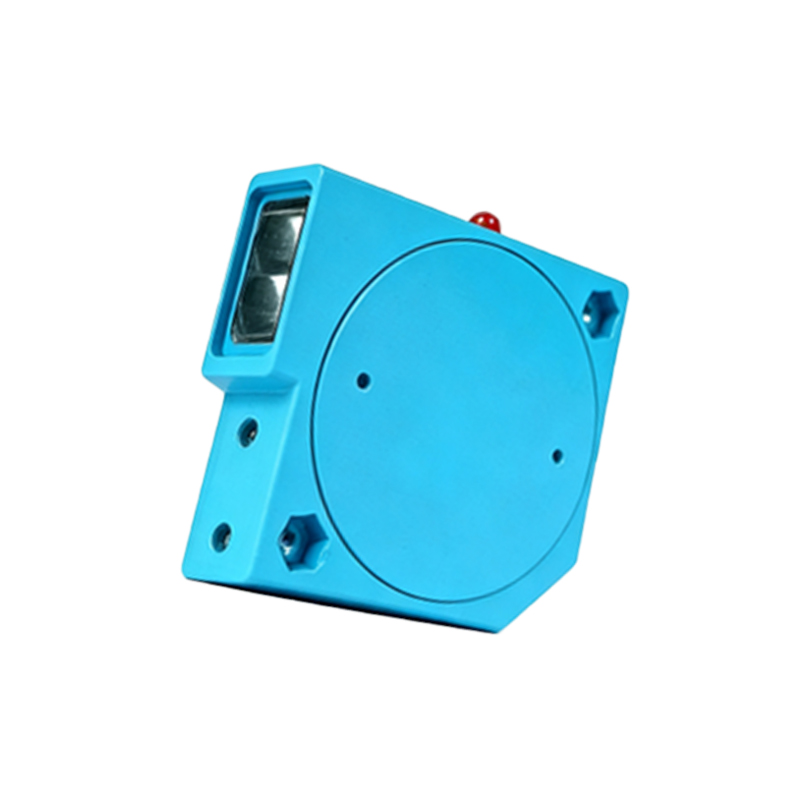
Types of Reflective Surfaces for Photoelectric Sensors
The choice of reflective surface significantly influences sensor operation. For retroreflective sensors, the most common surface is a retroreflector, which uses corner-cube or prismatic technology to return light directly to the sensor. These surfaces are highly efficient, providing consistent reflection even under angular misalignment. In contrast, diffused reflective sensors rely on the target's own surface properties, such as color, texture, and material. For example, white or glossy surfaces reflect more light than dark or matte ones, affecting detection distance. Industry professionals should consider using retroreflectors for long-range applications, while diffused surfaces are suitable for close-range, object-specific detection in conveyor systems or packaging lines.
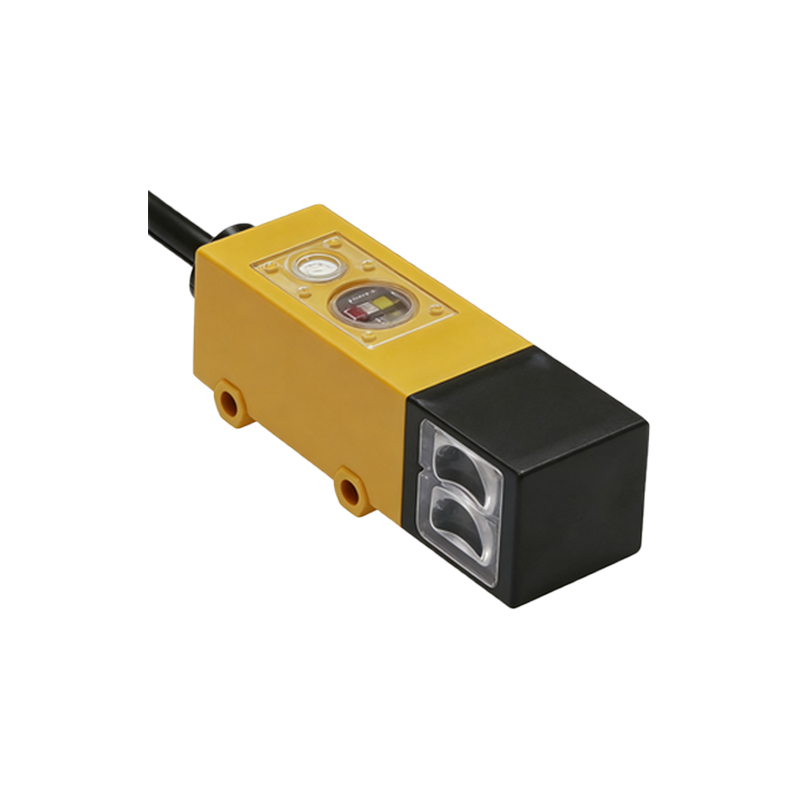
Key Performance Factors: Angle, Distance, and Environmental Impact
Sensor performance is directly tied to the geometry and environmental conditions of the reflective surface. The angle of incidence plays a critical role: excessive tilt can reduce reflected signal strength, leading to detection failures. For retroreflectors, a maximum tilt angle of 10-15 degrees is typical, while diffused surfaces require careful alignment within the sensor's beam pattern. Distance is another variable: reflective surfaces with high retroreflectivity, such as those using microprism arrays, maintain signal strength over several meters. However, environmental factors like dust, moisture, or ambient light can degrade performance. For instance, a dusty retroreflector may scatter light, reducing effective range by up to 30%. Regular cleaning and selection of sealed sensor housings mitigate these issues in harsh settings.
Material Selection and Durability in Industrial Settings
Selecting the right reflective surface material is crucial for durability in manufacturing environments. Common materials include acrylic, polycarbonate, and metal-coated plates. Acrylic retroreflectors are cost-effective but may scratch easily, while polycarbonate offers higher impact resistance for heavy-duty use. For applications involving high temperatures or chemical exposure, glass-based reflectors or specialized coatings are recommended. Additionally, colored or patterned surfaces can interfere with sensor logic: for example, black surfaces absorb more light, requiring sensor sensitivity adjustments. Engineers should test surface reflectance under actual operating conditions, such as vibration or humidity, to validate performance. A practical tip is to use a sensor with an automatic gain control feature to adapt to varying surface conditions.
Installation and Calibration Best Practices
Proper installation ensures maximum sensor efficiency. For retroreflective sensors, align the sensor and reflector so the beam hits the center of the reflector surface. Use mounting brackets with fine adjustment screws for precise angle tuning. During calibration, perform a "teach-in" procedure where the sensor learns the reflected signal baseline, accounting for ambient light and surface variations. For diffused sensors, set the sensitivity threshold based on the darkest target object to avoid false readings. A common mistake is placing the reflector too close to the sensor, causing signal saturation; maintain at least the minimum distance specified in the datasheet. Regularly inspect reflective surfaces for scratches, dirt, or degradation, and replace them if signal strength drops below 80% of initial levels.
Troubleshooting Common Reflective Surface Issues
Even with careful setup, issues can arise. If a sensor fails to detect consistently, check the reflective surface for damage or misalignment. Use a reflective tape test to verify if the sensor itself is functional. Environmental interference, such as sunlight or stray light from other sensors, can cause false triggers; install shields or use modulated light sensors to filter noise. For diffused sensors, target color changes or material wear (e.g., metal oxidation) may require recalibration. In multi-sensor setups, avoid cross-talk by ensuring beam paths do not intersect. When dealing with reflective surfaces in wet conditions, consider using polarized sensors to reduce false reflections from water droplets. Always document troubleshooting steps for repeat issues to refine maintenance schedules.
Conclusion: Optimizing Sensor Lifespan and Performance
Mastering the interaction between reflection photoelectric sensors and their reflective surfaces is key to reliable automation. By selecting appropriate surface types—retroreflectors for long-range precision or diffused surfaces for versatile object detection—you can enhance system accuracy. Regular maintenance of these surfaces, combined with proper alignment and environmental protection, extends sensor lifespan and reduces downtime. As industrial applications evolve, consider emerging technologies like laser-based sensors for higher resolution or smart reflectors with embedded diagnostics. Implementing these best practices ensures your sensor systems remain robust and efficient in demanding environments.