Introduction to Optoelectronic Information Science and Engineering
Optoelectronic information science and engineering (OISE) is a multidisciplinary field that combines optics, electronics, and information processing. It focuses on the generation, transmission, detection, and manipulation of light-based signals. In modern industrial applications, OISE plays a critical role in enabling high-speed communication, precision measurement, and automated control systems. Engineers in this domain leverage principles of photonics and semiconductor physics to design devices that convert light into electrical signals and vice versa.
Fundamentals of Optoelectronic Sensors
Optoelectronic sensors are key components in OISE, functioning as transducers that convert optical energy into electrical signals. These sensors rely on materials such as silicon, gallium arsenide, or indium gallium arsenide to achieve photodetection. Common types include photodiodes, phototransistors, and charge-coupled devices (CCDs). Their operation is based on the photoelectric effect, where incident photons generate electron-hole pairs, creating a measurable current or voltage. In industrial environments, these sensors are valued for their high sensitivity, fast response times, and immunity to electromagnetic interference.
Key Applications in Industry
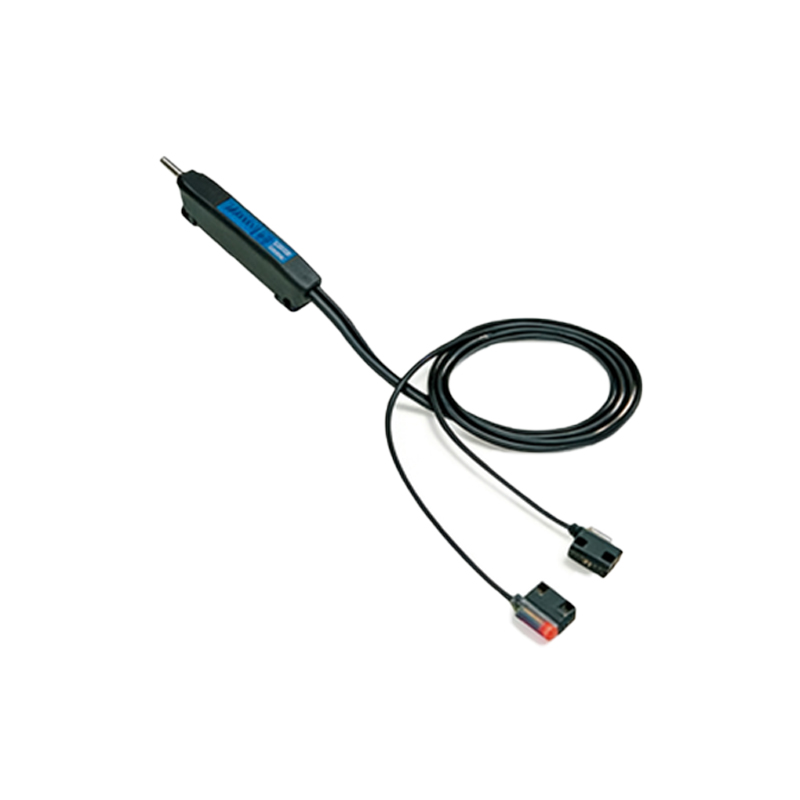
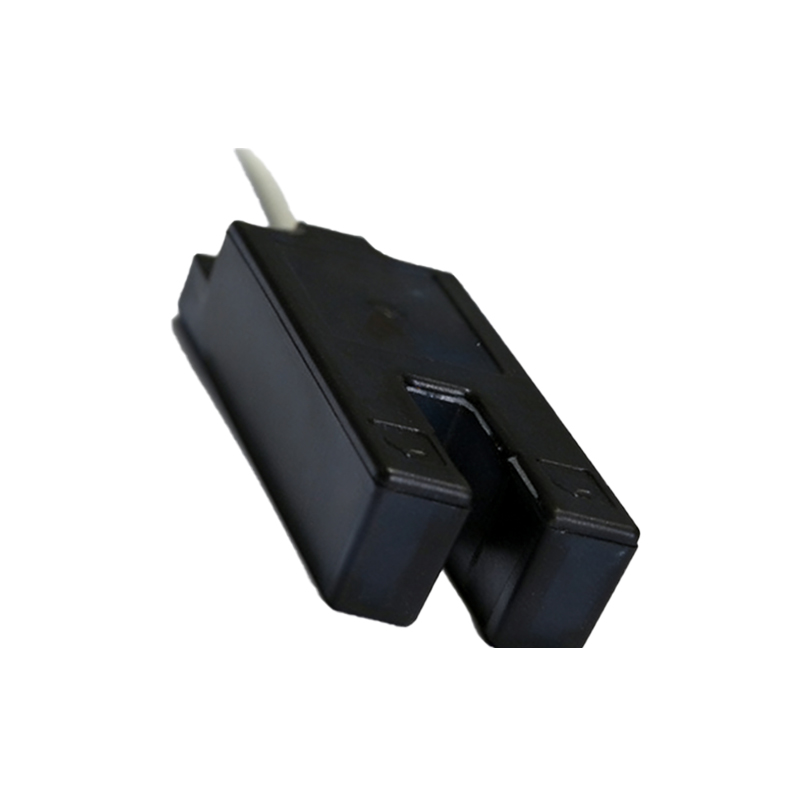
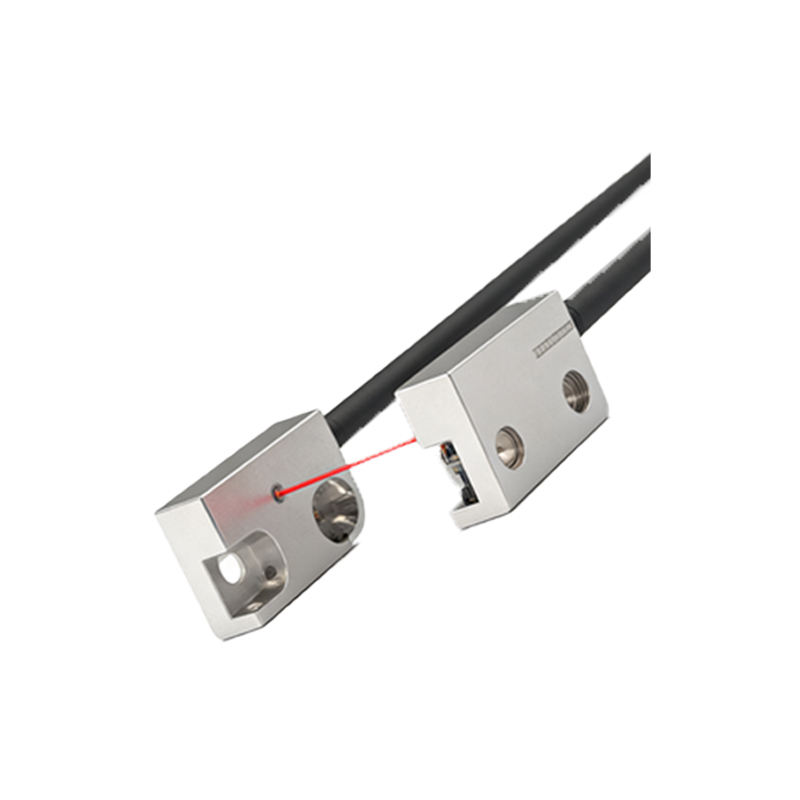
In the electrical engineering sector, optoelectronic sensors are widely deployed for automated inspection, distance measurement, and object detection. For example, laser-based sensors are used in manufacturing lines to monitor product dimensions with sub-micrometer accuracy. Fiber optic sensors are employed in harsh environments, such as high-voltage substations or oil rigs, where traditional electronic sensors would fail due to temperature or radiation. Additionally, photoelectric proximity sensors are integral to robotic systems, enabling precise positioning and collision avoidance.
Signal Processing and Data Integration
The raw output from optoelectronic sensors often requires conditioning to ensure reliability in industrial systems. Engineers use amplifiers, filters, and analog-to-digital converters to process the signals. Advanced algorithms, such as machine learning models, are now being integrated to interpret complex optical data, such as spectral signatures or pattern recognition in imaging systems. This fusion of OISE with data analytics allows for predictive maintenance and real-time quality control in smart factories.
Emerging Trends and Future Directions
Recent innovations in OISE include the development of single-photon detectors and integrated photonic circuits, which push the boundaries of sensitivity and miniaturization. For instance, LiDAR systems using avalanche photodiodes are becoming essential for autonomous vehicle navigation. In the energy sector, solar-blind photodetectors are being designed to monitor UV emissions without interference from ambient light. As the Internet of Things (IoT) expands, optoelectronic sensors will increasingly be embedded in networks for environmental monitoring, structural health assessment, and energy harvesting.
Practical Considerations for Engineers
When selecting optoelectronic sensors for a project, engineers must evaluate parameters such as spectral response range, dark current, rise time, and operating temperature. Calibration and alignment are critical to avoid errors from ambient light or temperature drift. Moreover, packaging choices, such as hermetic sealing or anti-reflective coatings, can extend sensor lifespan in corrosive or dusty environments. Understanding these factors ensures optimal performance and cost efficiency in industrial applications.
Conclusion
Optoelectronic information science and engineering continues to drive innovation in sensor technology, offering robust solutions for modern electrical systems. By mastering the principles of photodetection and signal processing, engineers can harness the full potential of optoelectronic sensors for automation, safety, and efficiency improvements. As the field evolves, staying updated on material science and integration techniques will be essential for competitive advantage in the global market.