Introduction to Photoelectric Sensors in Robotics
Photoelectric sensors are critical components in modern robotics, enabling precise object detection, distance measurement, and automation control. These sensors use light beams to detect presence, absence, or changes in objects, making them indispensable in manufacturing, logistics, and service robotics. Leading companies in this field focus on enhancing reliability, response time, and environmental adaptability, driving efficiency across industries.
Key Players in the Photoelectric Sensor Market
Several companies dominate the robotics photoelectric sensor market, including SICK AG, Banner Engineering, Omron, Keyence, and Pepperl+Fuchs. SICK AG is renowned for its robust sensors with long-range detection and resistance to dust and vibration. Banner Engineering excels in compact designs with advanced optics for tight spaces. Omron offers integrated solutions with IoT connectivity, while Keyence provides high-speed sensors with sub-millisecond response. Pepperl+Fuchs specializes in explosion-proof models for hazardous environments. These firms continuously innovate to meet the growing demands of collaborative robots (cobots) and autonomous mobile robots (AMRs).
Technological Innovations Driving Performance
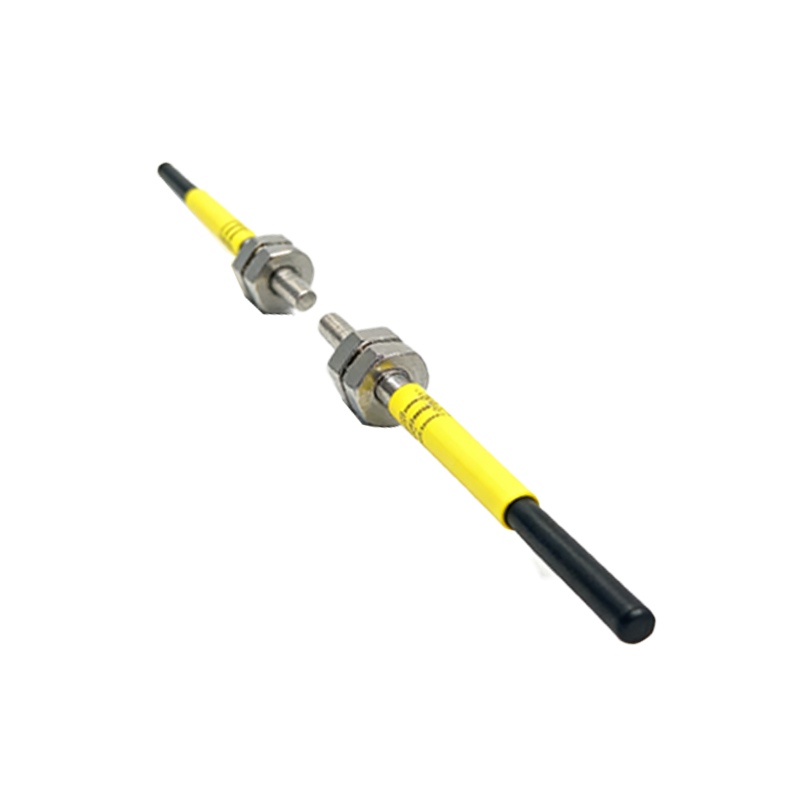
Recent advancements include laser-based photoelectric sensors with enhanced precision and background suppression capabilities. For instance, time-of-flight (ToF) sensors now enable accurate 3D mapping for robotic navigation. Additionally, fiber optic sensors offer immunity to electromagnetic interference, crucial in industrial settings. Smart sensors with built-in diagnostics and self-calibration reduce downtime, while miniaturization allows integration in small robotic arms. Companies are also adopting universal communication protocols like IO-Link for seamless data exchange with control systems.
Applications Across Industries
In automotive manufacturing, photoelectric sensors guide robotic arms for precise welding and assembly. In warehouse logistics, AMRs use these sensors for obstacle avoidance and pallet detection. Food processing robots rely on stainless steel sensors for washdown environments. Medical robots utilize miniature sensors for surgical tool tracking. The rise of Industry 4.0 further accelerates adoption, with sensors feeding real-time data into predictive maintenance systems.
Challenges and Future Trends
Key challenges include sensor performance in extreme lighting, high temperatures, or reflective surfaces. Solutions like modulated light and adaptive algorithms are emerging. Future trends point toward AI-enhanced sensors that learn from environmental patterns, reducing false triggers. LiDAR-camera fusion is gaining traction for 3D vision in complex tasks. As robotics expands into agriculture and construction, demand for rugged, long-life photoelectric sensors will grow, pushing companies to develop cost-effective, energy-efficient designs.
Conclusion: Choosing the Right Sensor Partner
Selecting a photoelectric sensor supplier requires evaluating factors like detection range, response speed, environmental ratings, and support services. Established companies offer extensive product lines and customization, while startups bring disruptive innovations. For optimal performance, engineers should conduct field tests and consider future scalability. The ongoing evolution of robotics ensures that photoelectric sensor technologies remain vital, with market leaders driving the next wave of automation excellence.