Introduction to Teflon Photoelectric Sensors
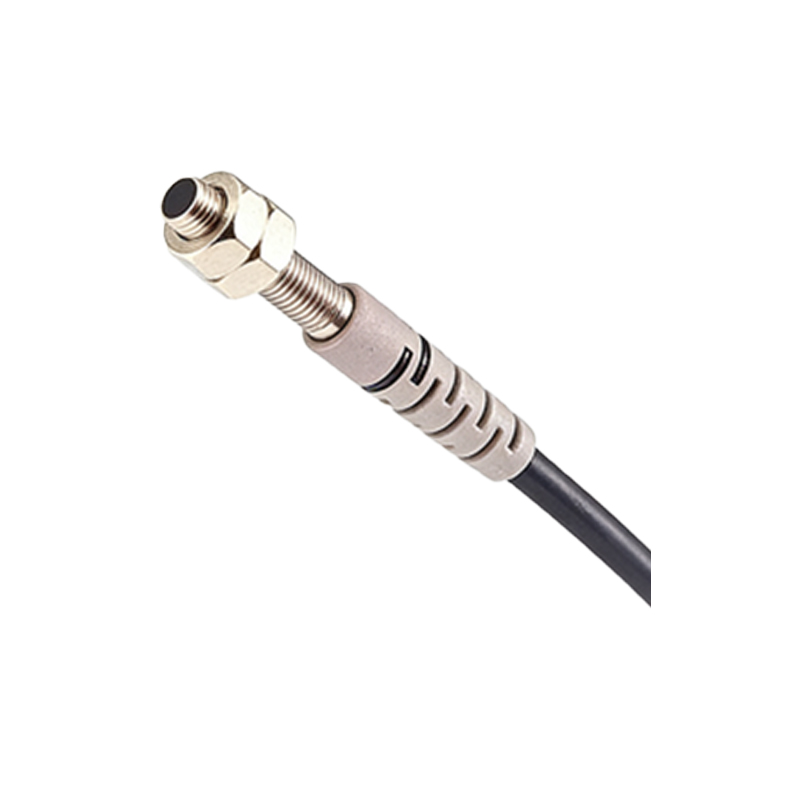
Teflon photoelectric sensors, also known as PTFE-coated photoelectric sensors, are specialized sensing devices designed for harsh industrial environments. These sensors leverage the unique properties of polytetrafluoroethylene (PTFE), a high-performance fluoropolymer, to provide exceptional resistance to chemicals, moisture, and extreme temperatures. In sectors such as food processing, pharmaceutical manufacturing, and chemical processing, where contamination and corrosion are critical concerns, Teflon-coated sensors offer reliable and accurate detection without compromising hygiene or durability. Their non-stick surface also minimizes debris accumulation, ensuring consistent performance over extended periods.
Key Features and Technical Specifications
The core advantage of Teflon photoelectric sensors lies in their robust construction. The PTFE coating protects the sensor housing and optics from aggressive substances like acids, alkalis, and solvents. These sensors typically operate within a temperature range of -40°C to 200°C, making them suitable for both freezing and high-heat applications. Additionally, the optical components are sealed to IP67 or higher standards, preventing ingress of dust and water. The sensors support various detection modes, including through-beam, retro-reflective, and diffuse reflection, allowing flexibility in installation. Response times are often in the microsecond range, enabling high-speed automation processes.
Advantages in Chemical and Wet Environments
In industries where exposure to corrosive chemicals is inevitable, standard photoelectric sensors degrade quickly. Teflon sensors excel here due to their chemical inertness. For example, in acid washing stations or solvent-based cleaning systems, the PTFE layer resists attack, maintaining sensor accuracy. Similarly, in wet environments like food processing lines, the hydrophobic nature of Teflon repels water and prevents false readings caused by moisture droplets on the lens. This reduces maintenance downtime and extends sensor lifespan, ultimately lowering total cost of ownership for factories.
Applications in Food and Pharmaceutical Industries
Hygiene is paramount in food and pharmaceutical production. Teflon photoelectric sensors meet stringent sanitation requirements because they are easy to clean and resistant to bacterial growth. They are commonly used for bottle detection, fill-level monitoring, and packaging verification in aseptic environments. The non-stick surface prevents product residue from adhering to the sensor, which is critical for avoiding cross-contamination between batches. Moreover, these sensors comply with FDA regulations for indirect food contact, ensuring safety in edible product lines.
Integration with Automated Control Systems
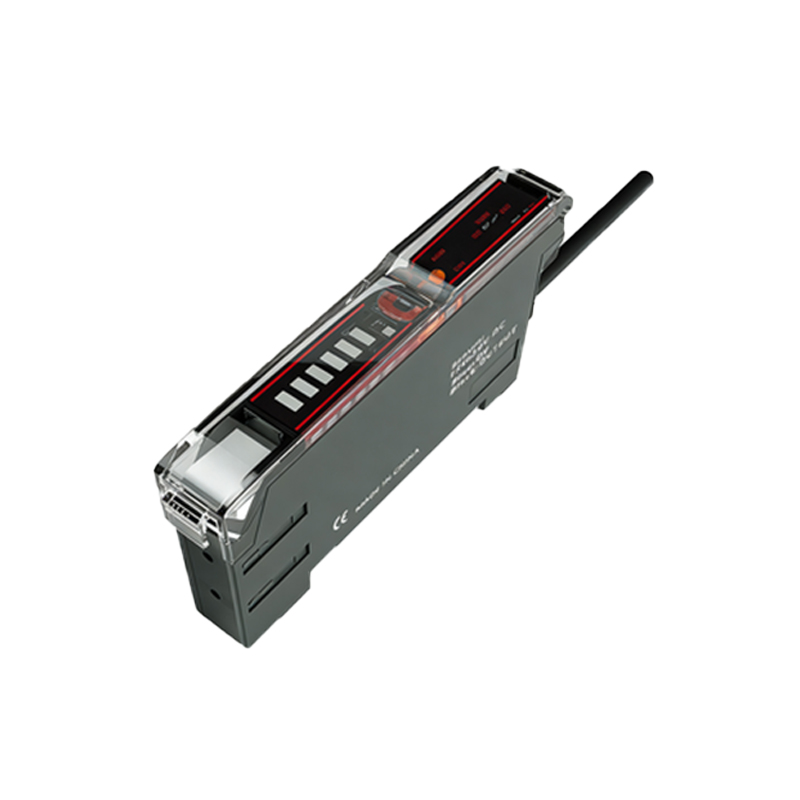
Modern factories rely on seamless integration of sensors with PLCs and SCADA systems. Teflon photoelectric sensors are designed with standard electrical interfaces, such as NPN/PNP outputs and M12 connectors, simplifying wiring. They also support IO-Link communication for real-time diagnostics and parameter adjustments. This enables predictive maintenance, where sensor health data is monitored remotely, reducing unplanned downtime. Engineers can configure sensitivity, light-on/dark-on modes, and delay timers via software, adapting the sensor to diverse production tasks without hardware changes.
Comparison with Traditional Sensors
Compared to standard plastic or metal-housed sensors, Teflon variants offer superior longevity in aggressive environments. Traditional sensors may require frequent replacement due to corrosion or coating failure, leading to production interruptions. While the upfront cost of Teflon sensors is higher, their extended service life and reduced maintenance offset the investment. For instance, in a chemical plant, a Teflon sensor might last 5-10 years, whereas a standard sensor could fail within months. This makes them a cost-effective choice for continuous manufacturing processes.
Installation and Maintenance Best Practices
Proper installation ensures optimal performance. Mount Teflon sensors away from direct high-pressure spray to avoid mechanical damage to the coating. Use compatible cables with PTFE insulation to maintain chemical resistance throughout the system. Regularly inspect the lens for scratches or buildup, although the non-stick property reduces cleaning frequency. In case of contamination, clean with mild detergents or isopropyl alcohol, avoiding abrasive tools. Following these practices extends sensor reliability and accuracy in demanding applications.
Future Trends and Innovations
The evolution of Teflon photoelectric sensors focuses on miniaturization and enhanced connectivity. Emerging models incorporate embedded microprocessors for edge computing, allowing on-sensor data processing. Additionally, advancements in PTFE manufacturing are improving coating uniformity and durability. Researchers are exploring hybrid materials that combine Teflon with ceramic layers for even higher temperature resistance. As Industry 4.0 expands, these sensors will play a pivotal role in smart factories, where real-time monitoring of corrosive or sterile environments is essential for zero-defect production.