Introduction to Autonics Photoelectric Sensors
Autonics is a globally recognized leader in industrial automation components, and its photoelectric sensors are renowned for reliability, precision, and versatility. These sensors use light beams to detect the presence, absence, or distance of objects without physical contact, making them essential in manufacturing, packaging, and material handling. Designed for harsh environments, they offer features like long sensing ranges, immunity to ambient light, and robust housing. Engineers value Autonics for cost-effective solutions that meet rigorous industry standards, enhancing production efficiency and reducing downtime.
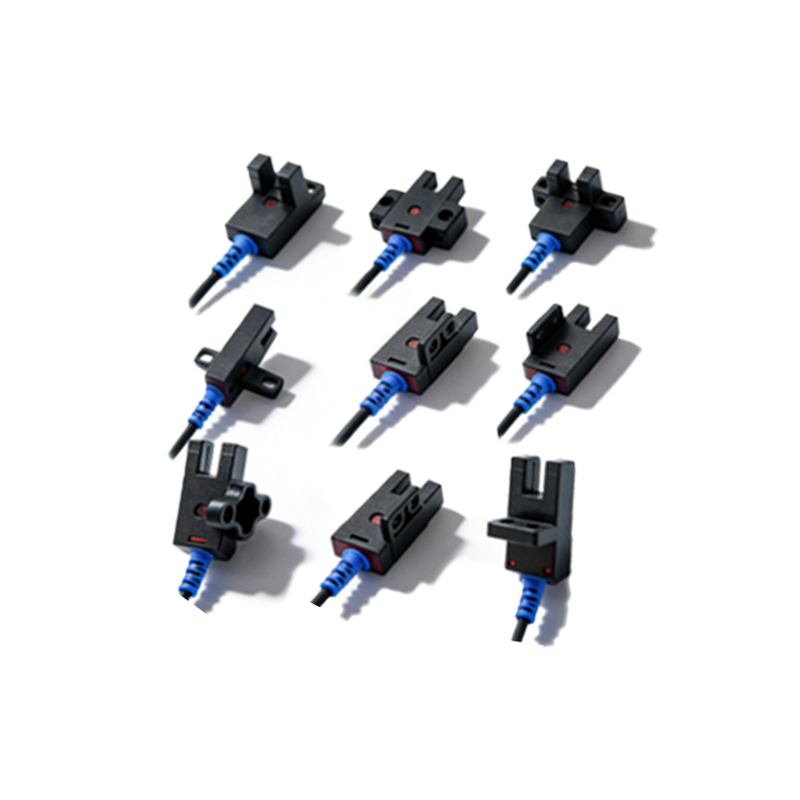
Key Features and Technical Specifications
Autonics photoelectric sensors come in various models, including through-beam, retro-reflective, and diffuse types. Through-beam sensors provide the longest range, up to 30 meters, ideal for conveyor systems. Retro-reflective models, with ranges up to 10 meters, simplify alignment using a reflector. Diffuse sensors, perfect for short-range detection, operate reliably even with dark or shiny objects. Key specifications include response times as fast as 1 ms, operating voltages from 12-24 VDC, and IP67 protection for dust and water resistance. Many models feature adjustable sensitivity and built-in indicators for easy setup.
Application Scenarios in Industry
In automotive assembly lines, Autonics sensors monitor part presence and positioning, ensuring precise robotic arm operations. In food and beverage packaging, they detect bottle caps or seal integrity at high speeds. Material handling systems use them to trigger sorting mechanisms or count items on belts. Their compact design allows integration into tight spaces, such as in textile machinery for thread break detection. Additionally, in logistics warehouses, they ensure automated guided vehicles (AGVs) navigate safely by detecting obstacles. These sensors excel in dusty or wet environments, thanks to their rugged construction.
Installation and Configuration Best Practices
Proper installation is critical for optimal performance. Mount sensors on stable surfaces to minimize vibration, and align through-beam pairs carefully to avoid misalignment. For retro-reflective models, ensure the reflector is clean and positioned perpendicular to the sensor. Adjust sensitivity using a potentiometer or via digital interface, starting with a low threshold and increasing until reliable detection is achieved. Use shielded cables to reduce electromagnetic interference (EMI), and connect to a PLC with proper power rating. Regular cleaning of lenses with a soft cloth prevents false signals.
Maintenance and Troubleshooting Tips
Common issues include false triggers due to dirt buildup or ambient light interference. Fix these by cleaning optics and using a hood or filter. If a sensor fails to detect, check power supply and wiring connections. For intermittent failures, test with a known good sensor or verify EMI sources nearby. Autonics sensors often have self-diagnostic LEDs that blink to indicate errors, such as overload or short circuit. Replace worn cables promptly. Scheduled preventive maintenance every 3-6 months extends sensor life and ensures consistent performance.
结束。