Introduction to Speed Measurement Photoelectric Sensor 922
The Speed Measurement Photoelectric Sensor 922 is a high-performance device designed for precise rotational speed and linear velocity monitoring in industrial environments. Engineered with advanced photoelectric technology, it offers reliable non-contact measurement, minimizing wear and maintenance. Its robust housing meets IP67 standards, ensuring durability against dust, moisture, and vibration in harsh manufacturing settings. Typical applications include conveyor belt speed control, motor RPM verification, and production line synchronization.
Key Technical Specifications and Features
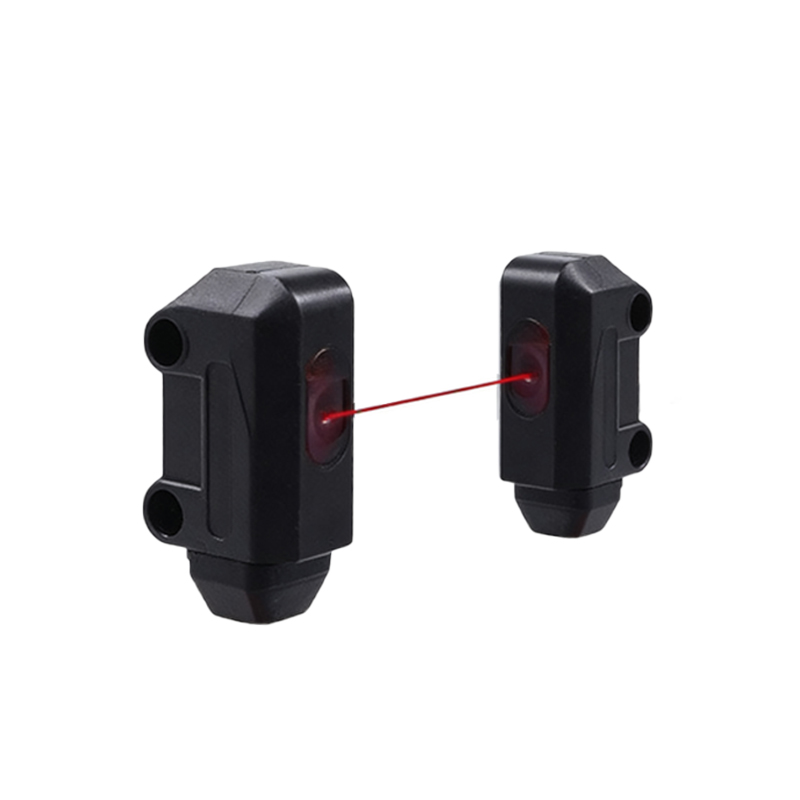
This sensor operates on a 10–30V DC power supply and provides both NPN and PNP output configurations for flexible integration with PLCs and counters. The sensing range extends up to 15 mm with a response time of less than 1 ms, enabling real-time data capture for high-speed processes. It features a red LED indicator for alignment status and a shielded cable for noise immunity. The built-in temperature compensation ensures stable performance from -25°C to +70°C, making it suitable for heavy-duty industrial applications.
Installation and Alignment Best Practices
Proper installation is critical for optimal sensor accuracy. Mount the sensor at a perpendicular angle to the target surface, maintaining a gap within the specified sensing range. Use the provided mounting bracket with M4 screws for secure attachment. The reflective tape or mark on the rotating shaft should have a minimum contrast ratio of 2:1 for reliable detection. After mounting, verify alignment using the LED feedback: a steady glow indicates correct sensing, while flickering suggests misalignment. Additionally, shield the cable from high-voltage lines to avoid electrical interference.
Application Scenarios in Industrial Automation
In conveyor systems, the sensor monitors belt speed to prevent slippage and ensure consistent material flow. For robotic arms, it tracks joint rotation to maintain precise positioning. It is also deployed in packaging machinery to synchronize film feed rates with product movement. In the automotive industry, it validates engine component RPM during assembly testing. The sensor's ability to operate in high-vibration environments makes it ideal for metalworking and heavy machinery.
Troubleshooting Common Issues
If the sensor fails to detect speed changes, first check the power supply voltage and wiring connections. Contaminated lenses can cause false triggers; clean the lens with a lint-free cloth and isopropyl alcohol. For intermittent signals, examine the target surface for wear or irregular reflectivity. In noisy environments, install a ferrite core on the sensor cable to reduce electromagnetic interference. If output remains inactive, test with a known-good sensor to isolate the fault.
Maintenance and Long-Term Reliability
Regular inspection every 500 operating hours includes checking cable integrity and tightening mounting screws. Replace the reflective tape if it shows signs of fading or cracking. Calibrate the sensor using a standard tachometer to ensure measurement accuracy within ±0.5%. For longevity, store spare sensors in a dry, anti-static container. The sensor typically surpasses 50,000 hours of continuous operation under normal conditions, supported by its solid-state design.
Conclusion and Integration Tips
The Speed Measurement Photoelectric Sensor 922 is a vital component for modern industrial automation systems demanding high accuracy and durability. When integrating with existing control networks, use shielded twisted-pair cables and configure output logic to match your PLC input requirements. Always refer to the manufacturer's datasheet for detailed wiring diagrams. For advanced setups, consider using a signal conditioner to amplify weak pulses. This sensor provides a cost-effective solution for enhancing process control and reducing downtime.