Introduction to Photoelectric Sensors and the Triple Optical Effect
Photoelectric sensors are critical components in industrial automation, leveraging light to detect objects, measure distances, and monitor processes. Among the most advanced principles governing their operation is the triple optical effect, which combines three distinct light-based phenomena: emission, reflection, and absorption. This article explores these effects from an engineering perspective, detailing how they enhance sensor reliability and accuracy in harsh manufacturing environments.
The Emission Effect: Light Generation and Modulation
The triple optical effect begins with the emission effect, where the sensor's light source—typically an LED or laser diode—generates a modulated beam. This modulation is key to filtering out ambient light interference. For example, pulsed infrared light at specific frequencies allows the receiver to distinguish the sensor’s signal from background noise. Engineers must select wavelengths (e.g., 650nm for visible red or 940nm for infrared) based on target material reflectivity and distance. In diffuse sensors, the emitted light scatters upon hitting an object, while in through-beam types, it travels uninterrupted to a receiver.
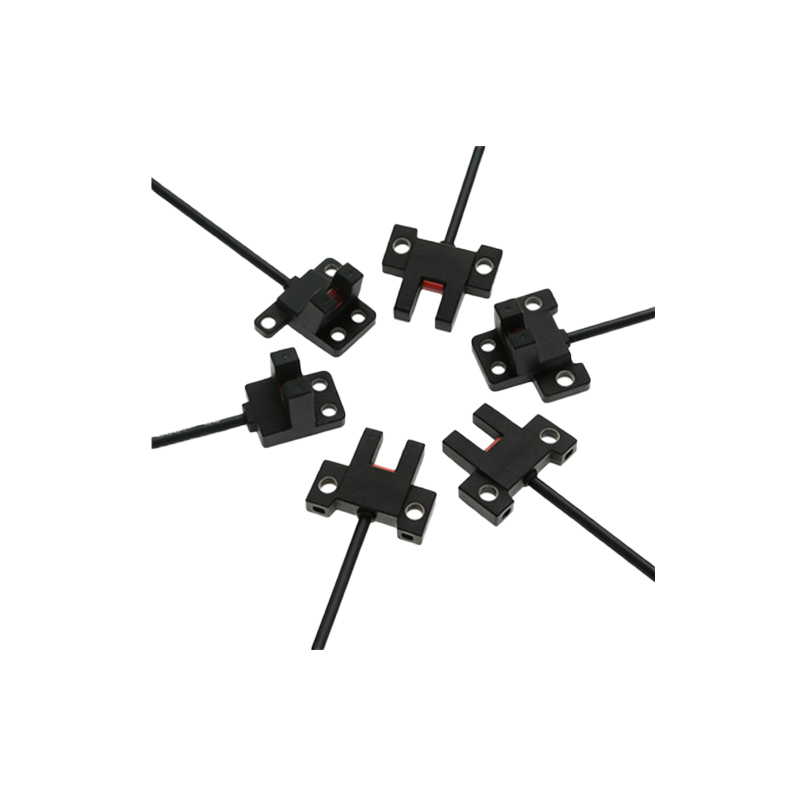
The Reflection Effect: Signal Return and Object Detection
Reflection plays a pivotal role in determining object presence and surface properties. When the emitted light strikes a target, its reflective characteristics—governed by surface roughness, color, and angle—determine how much energy returns to the sensor. Retro-reflective sensors use specialized reflectors to bounce the beam back, enabling detection of transparent or glossy objects. Engineers must account for specular versus diffuse reflections; specular reflections can cause false triggers, requiring polarization filters or angular adjustments. The triple optical effect optimizes this by analyzing both the intensity and angle of returned light.
The Absorption Effect: Material Interaction and Attenuation
Absorption completes the triad, influencing how much light energy is lost as it passes through media or interacts with object materials. For instance, dark or matte surfaces absorb more light, reducing signal strength. Similarly, atmospheric conditions like dust or fog can attenuate the beam. Advanced sensors using the triple optical effect compensate by dynamically adjusting gain thresholds. In liquid-level detection, absorption rates help differentiate between substances, such as water versus oil, enhancing process control.
Practical Applications in Industrial Automation
The triple optical effect is leveraged in applications requiring high precision, such as packaging lines, conveyor systems, and robotic guidance. By integrating all three effects, sensors can detect clear plastic bottles, shiny metal parts, or irregular shapes without false readings. For example, in a bottling plant, a sensor using emission and reflection identifies filled containers, while absorption data ensures label presence. This triple analysis reduces downtime and maintenance, making it ideal for 24/7 operations.
Design Considerations and Calibration Tips
To maximize the triple optical effect, engineers should calibrate sensors based on ambient light conditions, target color, and distance. Use teach-in functions to set reference levels for emission intensity and absorption thresholds. Install sensors with appropriate mounting angles to avoid specular reflections. Regular cleaning of lenses and reflectors is crucial, as dirt can alter absorption rates. For harsh environments, consider sensors with built-in ambient light rejection and temperature compensation.
Conclusion: The Future of Triple Optical Effect Sensors
As Industry 4.0 evolves, photoelectric sensors with triple optical effects will become smarter, incorporating AI for adaptive thresholding and real-time diagnostics. Understanding emission, reflection, and absorption dynamics is essential for optimizing sensor performance in smart factories. By mastering these principles, engineers can design more robust automation systems that minimize errors and maximize throughput.