Introduction to Huibo Robot's Photoelectric Sensors
Huibo Robot has established itself as a key player in the industrial automation sector, offering a range of high-performance photoelectric sensors designed for precision detection. These sensors utilize light beams to detect the presence, absence, or position of objects without physical contact, making them ideal for harsh manufacturing environments. With robust construction and reliable output, Huibo's sensors support various applications including conveyor belt monitoring, packaging line quality control, and robotic arm positioning.
Key Technical Specifications
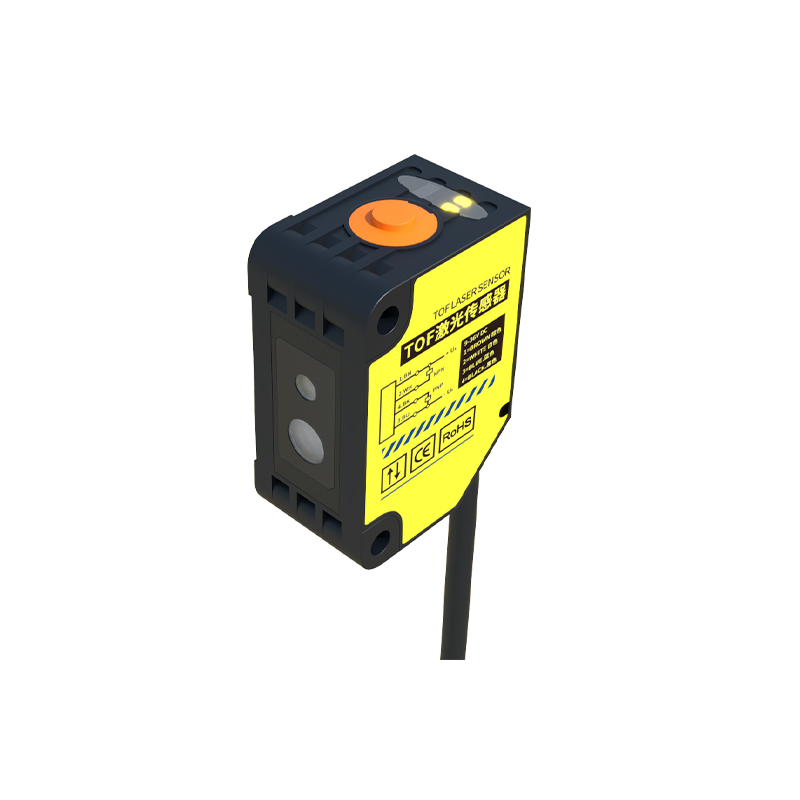
Huibo photoelectric sensors operate across multiple sensing modes, including through-beam, retro-reflective, and diffuse reflection. They feature a sensing distance ranging from 0.1 meters to 15 meters depending on the model, with response times as low as 1 millisecond. The sensors are built with IP67-rated enclosures to withstand dust, moisture, and vibration, and they support both NPN and PNP output configurations for compatibility with PLCs and other control systems. Their operating temperature range of -25°C to 70°C ensures stable performance in varied industrial settings.
Applications in Modern Manufacturing
In automated assembly lines, Huibo photoelectric sensors excel at object detection for sorting and counting tasks. For example, in a bottling plant, these sensors can verify cap presence or liquid level through transparent containers using retro-reflective technology. In robotic welding cells, they provide precise edge detection to guide welding torches, reducing rework and improving throughput. Their immunity to ambient light interference ensures consistent operation even in brightly lit factory floors.
Installation and Maintenance Best Practices
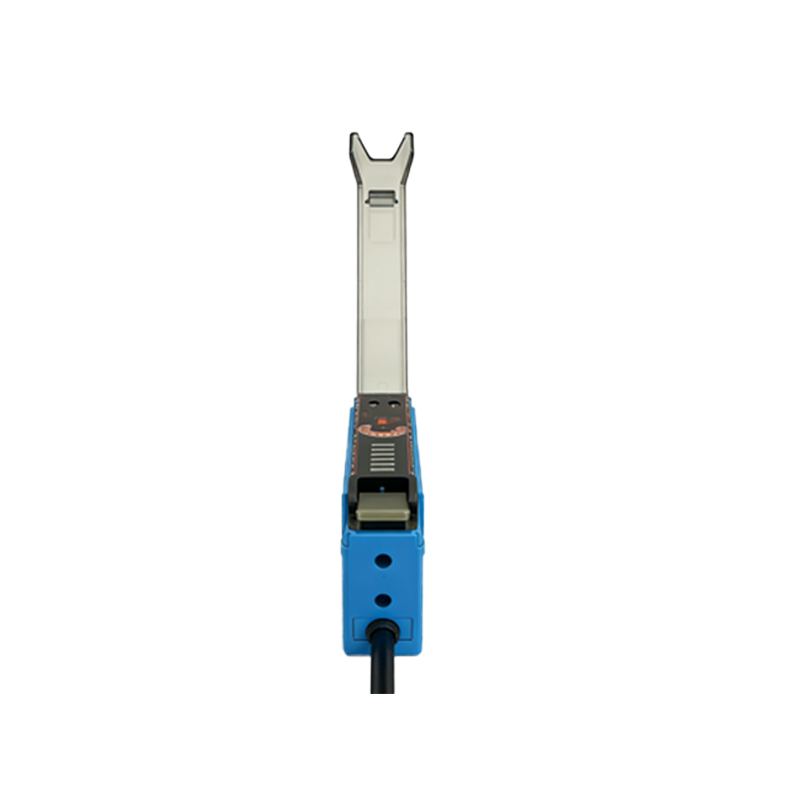
Proper installation is critical for optimal sensor performance. Engineers should mount sensors with alignment tools to ensure the emitter and receiver are precisely aligned, especially for through-beam models. Regular cleaning of lens surfaces with a soft, lint-free cloth prevents false readings caused by dust or oil buildup. Additionally, testing the sensor's output with a multimeter during routine maintenance helps identify potential failures early. Huibo provides comprehensive manuals and technical support for troubleshooting.
Advantages Over Competing Products
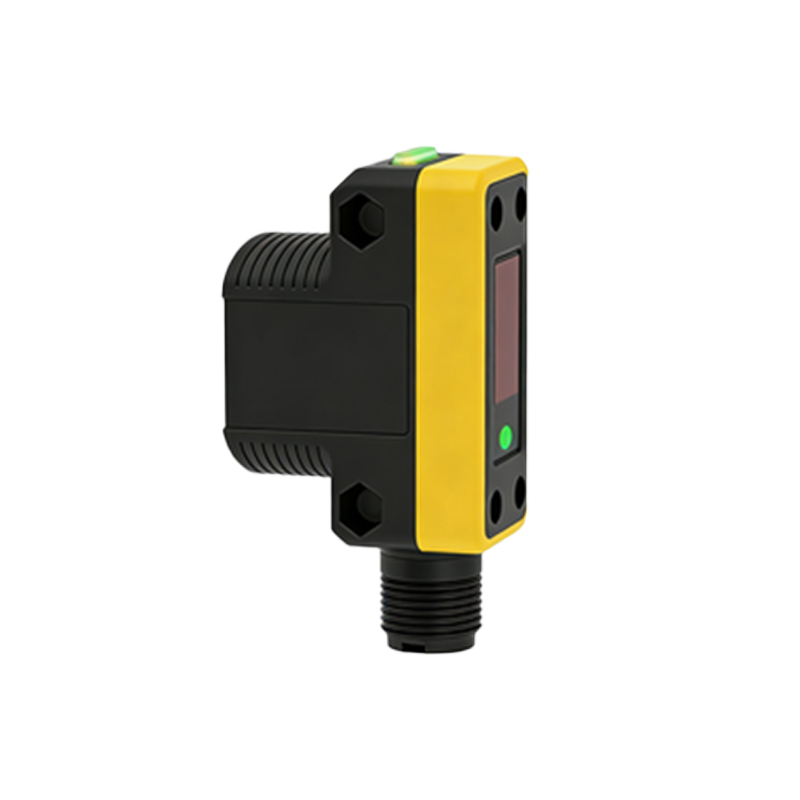
Compared to standard photoelectric sensors, Huibo's offerings feature enhanced noise filtering and a wider detection angle, reducing false triggers. Their modular design allows for quick replacement of sensing heads without rewiring, minimizing downtime. The sensors also integrate seamlessly with Huibo's own robot controllers, providing plug-and-play compatibility that simplifies system integration. Field tests have shown a 15% improvement in detection accuracy over similar-priced competitors.
Conclusion and Future Trends
As Industry 4.0 demands smarter sensors, Huibo is incorporating IoT connectivity into its photoelectric sensor line, enabling real-time data logging and predictive maintenance alerts. For engineers, adopting these sensors means not only improved reliability but also a path toward more connected and efficient production lines. Huibo's commitment to innovation ensures their photoelectric sensors remain a cost-effective solution for tomorrow's automation challenges.