Introduction to Photoelectric Sensors
Photoelectric sensors are pivotal components in modern industrial automation, converting light signals into electrical outputs to detect objects, positions, or environmental changes. From a broad perspective, these sensors encompass a wide range of devices that utilize light in various forms, including visible, infrared, and ultraviolet spectra, to perform non-contact sensing. Their versatility makes them indispensable in sectors such as manufacturing, logistics, and safety systems.
Fundamental Categories of Photoelectric Sensors
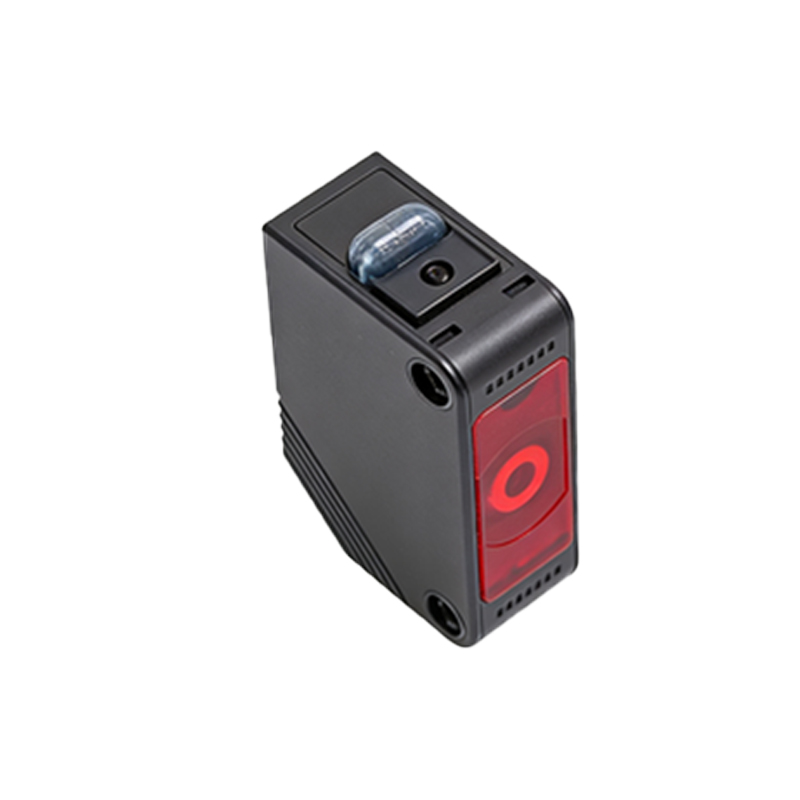
The broad classification of photoelectric sensors includes through-beam, retro-reflective, and diffuse reflective types. Through-beam sensors consist of separate emitter and receiver units, offering the highest detection range and reliability for opaque objects. Retro-reflective sensors integrate emitter and receiver in one housing, using a reflector to detect objects that interrupt the light beam. Diffuse reflective sensors detect objects by the reflected light from the target itself, ideal for short-range applications with varying surface properties.
Advanced Variants and Subtypes
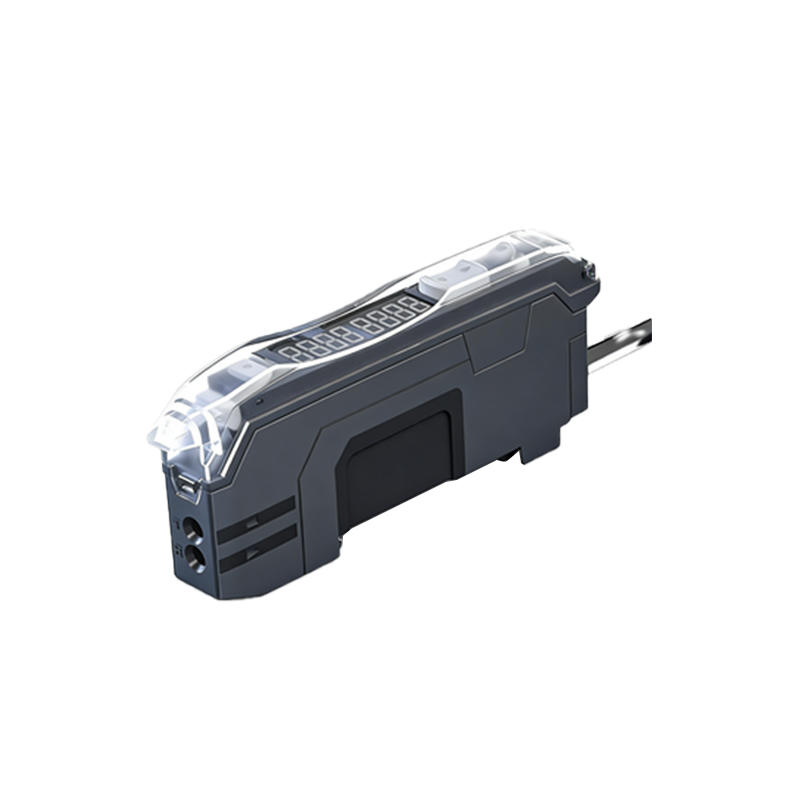
Beyond the basic categories, specialized photoelectric sensors include background suppression sensors, which ignore background objects and detect only targets within a defined range. Fiber optic sensors extend detection to confined spaces using flexible cables. Additional subtypes include laser-based sensors for precision measurements, color sensors for sorting applications, and contrast sensors for marking detection. These variants expand the functionality of photoelectric systems.
Applications Across Industries
In industrial settings, photoelectric sensors are used for object counting, positioning, and quality control in assembly lines. In logistics, they facilitate automated sorting and warehouse management. Safety applications rely on light curtains and area scanners to protect personnel. Environmental monitoring employs UV sensors for flame detection and IR sensors for gas analysis. This broad applicability underscores their role as a universal tool in automation.
Selection Criteria and Performance Factors
When selecting a photoelectric sensor, key factors include sensing range, response time, ambient light immunity, and target material characteristics. Environmental conditions such as dust, moisture, and temperature also influence performance. Modern sensors feature smart protocols like IO-Link for data integration, enhancing predictive maintenance and system flexibility. Engineers must balance these parameters to achieve optimal detection reliability.
Integration with Modern Control Systems
Photoelectric sensors are increasingly integrated with PLCs, SCADA, and IoT platforms. Their digital outputs can trigger alarms, count production units, or update inventory databases. Advanced models support multi-point detection and self-diagnostics. This connectivity enables real-time data analytics, reducing downtime and improving efficiency. The evolution from simple on/off switches to intelligent sensing nodes marks a significant shift in industrial automation.
Future Trends in Photoelectric Sensing
Emerging trends include miniaturization, higher resolution, and energy efficiency. Solid-state lasers and 3D time-of-flight sensors are pushing boundaries in autonomous vehicles and robotics. Combined with AI algorithms, these sensors achieve adaptive detection in complex environments. The broad definition of photoelectric sensors will continue to expand as new optical technologies emerge, solidifying their place in Industry 4.0.