Introduction: The Convergence of Technology and Values
In the modern electrical engineering curriculum, the photoelectric sensor stands as a fundamental component, converting light signals into electrical ones for applications ranging from automation to environmental monitoring. However, beyond technical proficiency, engineering education must embed ideological and political education—termed "course ideology and politics" in China—to cultivate engineers with ethical awareness, social responsibility, and a national perspective. This article explores how instructors can seamlessly integrate these values into the photoelectric sensor course.
Teaching Principles: Technical Rigor Meets Social Responsibility
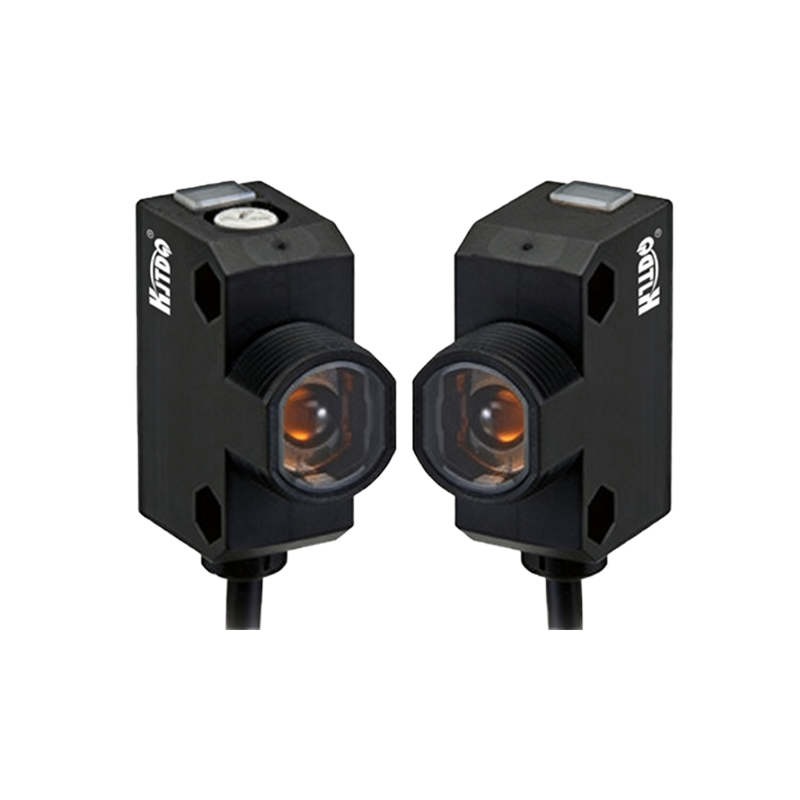
The photoelectric sensor course typically covers the photoelectric effect, device types (e.g., photodiodes, phototransistors), and circuit design. To incorporate ideological and political education, instructors should emphasize the societal impact of sensor technology. For example, when teaching about light detection in solar panels, discuss the global energy crisis and China’s commitment to carbon neutrality. This motivates students to design efficient sensors for renewable energy systems, aligning technical skills with national goals. Additionally, case studies on sensor failures in safety-critical systems (e.g., autonomous vehicles) can highlight the importance of professional ethics and precision engineering.
Practical Strategies: Embedding Values in Lab Work
Laboratory sessions offer a prime opportunity for integrative learning. For instance, when students calibrate a photoelectric sensor for a line-following robot, introduce a scenario where the robot is used in emergency rescue operations. Pose ethical questions: “How would you ensure sensor reliability in hazardous environments?” or “What if your sensor design prioritizes cost over safety?” This fosters critical thinking about trade-offs between innovation and public welfare. Moreover, assign projects where students design sensors for low-cost medical devices in rural areas, linking their work to the principle of "serving the people."
Assessment Methods: Evidencing Dual Learning Outcomes
Evaluating both technical and ideological learning requires blended assessment. Written exams can include questions on sensor applications in national infrastructure projects (e.g., smart grids). Lab reports should require a section on ethical considerations, such as data privacy in lidar systems. Peer reviews can assess teamwork and mutual respect—core socialist values. For final projects, ask students to present a sensor design that addresses a social challenge, like air quality monitoring in industrial zones. This ensures that ideological education is not an add-on but an integral learning outcome.
Conclusion: Cultivating Future-Ready Engineers with Core Values
Integrating ideological and political education into the photoelectric sensor course is not merely a pedagogical trend but a necessity for producing responsible engineers. By linking technical content to real-world ethics, national policies, and social needs, instructors prepare students to innovate with integrity. As electrical engineering advances, this dual-focus approach ensures that graduates contribute not only to technological progress but also to societal harmony and national development.