In modern industrial manufacturing, precision measurement and process control are critical for ensuring product quality, optimizing efficiency, and reducing waste. Raytools laser sensors have emerged as a leading solution in this domain, offering high-accuracy, non-contact measurement capabilities across diverse applications. These sensors utilize advanced laser technology to deliver reliable data in real-time, enabling seamless integration into automated production lines.
The core technology behind Raytools laser sensors involves the emission of a focused laser beam onto a target surface. The reflected light is then captured and analyzed to determine precise distance, position, thickness, or profile measurements. This non-contact approach eliminates mechanical wear and minimizes interference with delicate or moving objects, making it ideal for industries such as automotive, electronics, metalworking, and semiconductor manufacturing. Key features often include high resolution, fast response times, and robust designs capable of withstanding harsh industrial environments like extreme temperatures, vibrations, or dust.
One prominent application of Raytools laser sensors is in weld seam tracking and monitoring. During robotic welding processes, even minor deviations can compromise joint integrity. Laser sensors provide continuous feedback on seam position and geometry, allowing for automatic adjustments to welding parameters. This ensures consistent weld quality, reduces rework, and enhances overall productivity. Similarly, in cutting and machining operations, these sensors assist in edge detection, contour following, and material height measurement, facilitating precision cutting of complex shapes and materials.

Another significant use case is in thickness measurement for sheets, films, or coatings. In roll-to-roll processing or continuous production lines, maintaining uniform thickness is essential. Raytools laser sensors can measure thickness without physical contact, preventing damage to sensitive materials like plastics or thin metals. The real-time data enables immediate corrective actions, minimizing material waste and ensuring compliance with strict tolerances. Additionally, in assembly and robotics, these sensors aid in part positioning, alignment verification, and gap detection, contributing to higher accuracy in automated assembly stations.
The integration of Raytools laser sensors with industrial control systems, such as PLCs or PC-based interfaces, is straightforward, often supporting standard communication protocols like Ethernet/IP, PROFINET, or analog outputs. This compatibility allows for easy implementation into existing workflows. Moreover, user-friendly software tools typically accompany these sensors, enabling configuration, calibration, and data visualization without extensive programming knowledge. Regular maintenance is minimal, primarily involving lens cleaning and periodic calibration checks to sustain optimal performance.
Industries leveraging Raytools laser sensors report tangible benefits, including improved product consistency, reduced downtime, and lower operational costs. For instance, in automotive manufacturing, precise measurement of body panels or component gaps ensures aesthetic and functional quality. In electronics, sensors help control the application of adhesives or inspect PCB alignments. The adaptability of these sensors to various materials—from reflective metals to transparent glass—further expands their utility.
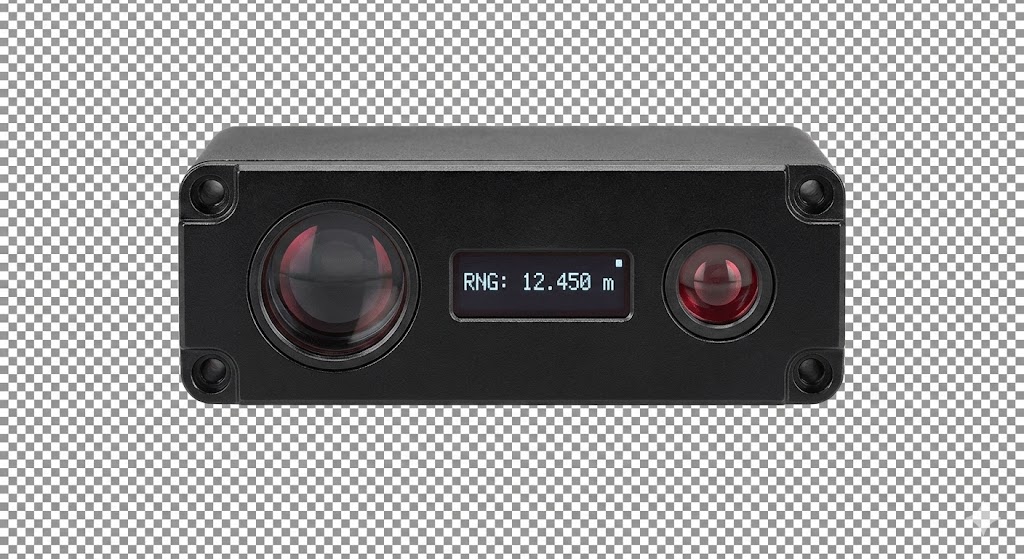
Looking ahead, advancements in laser sensor technology continue to enhance capabilities, such as increased measurement speed, higher accuracy in sub-micron ranges, and smarter data processing with AI-driven analytics. Raytools remains at the forefront, innovating to meet evolving industrial demands. For businesses seeking to upgrade their measurement and control systems, investing in reliable laser sensors like those from Raytools can be a strategic move toward achieving greater automation, efficiency, and competitiveness in the global market.
In summary, Raytools laser sensors represent a robust solution for non-contact precision measurement, playing a vital role in modern industrial automation. Their versatility, accuracy, and durability make them indispensable tools for quality assurance and process optimization across multiple sectors.
