Introduction to Photoelectric Sensors in Liquid Level Detection
Photoelectric sensors are widely used in industrial automation for detecting objects, but their application in liquid level monitoring offers unique advantages. Unlike traditional float switches or conductive probes, these sensors use light beams to detect the presence or absence of liquid, providing non-contact, reliable, and fast response. In industries such as chemical processing, water treatment, and food and beverage, photoelectric sensors excel in environments where hygiene, corrosion resistance, or high precision is critical. This article explores how engineers can leverage these sensors for effective liquid level control.
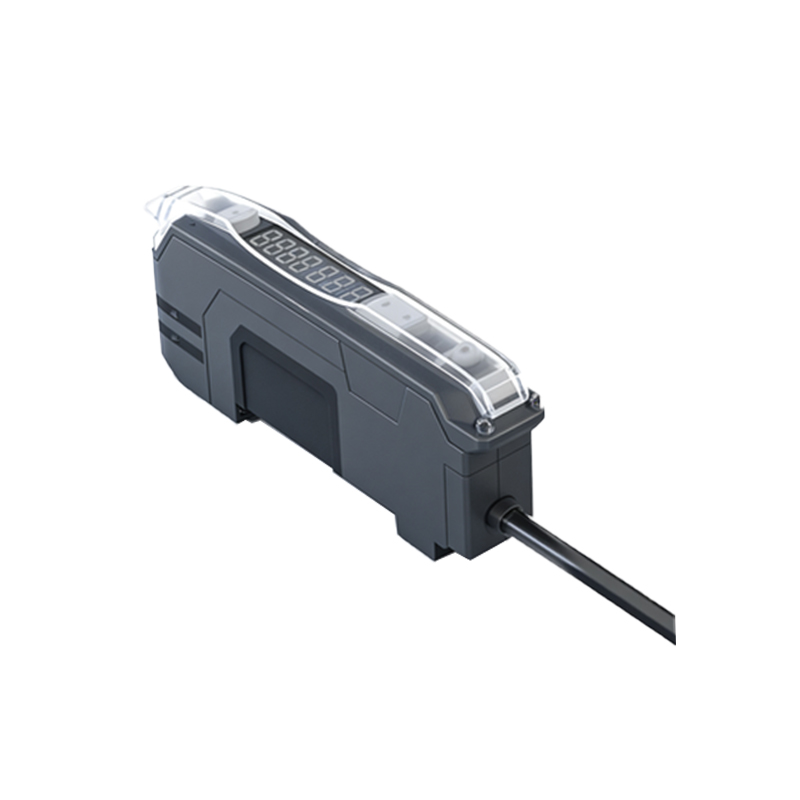
Principle of Operation: How Photoelectric Sensors Work for Liquids
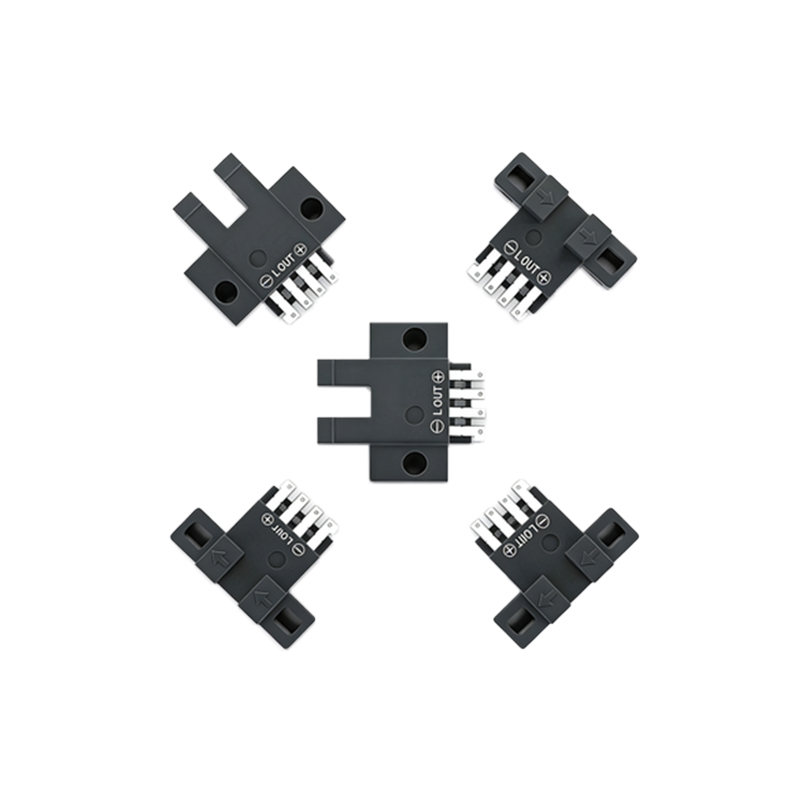
Photoelectric sensors operate by emitting a beam of light, typically infrared or visible, and detecting changes in the light intensity when it interacts with a liquid. For liquid level applications, two main types are used: through-beam and diffuse reflective sensors. In through-beam configurations, the emitter and receiver are placed on opposite sides of a tank; the liquid interrupts the beam when reaching a certain level. Diffuse sensors, on the other hand, rely on the reflective properties of the liquid or a prism tip. When the liquid contacts the prism, it changes the refractive index, altering the light path and triggering the sensor. This principle ensures accurate detection even with foaming or turbulent surfaces.
Key Advantages of Using Photoelectric Sensors for Liquid Levels
Photoelectric sensors offer several benefits over conventional methods. First, they provide non-contact measurement, eliminating wear and tear from moving parts. Second, they are immune to electrical interference and can operate in conductive or corrosive liquids. Third, they offer high-speed switching, ideal for rapid filling or draining processes. Additionally, they can detect clear or transparent liquids, which is challenging for ultrasonic or capacitive sensors. For example, in pharmaceutical manufacturing, photoelectric sensors ensure sterile conditions by avoiding direct liquid contact. Their compact design also allows easy integration into existing control systems.
Practical Installation Considerations for Engineers
When deploying photoelectric sensors for liquid level monitoring, engineers must consider several factors. The sensor housing must be rated for the liquid's temperature, pressure, and chemical compatibility. For example, in aggressive chemical tanks, use sensors with PTFE or glass bodies. Mounting position is critical to avoid false triggers from foam, vapor, or condensation. In through-beam setups, ensure the emitter and receiver are aligned precisely. For diffuse sensors with prism tips, install the tip at the desired level and keep it clean to maintain optical clarity. Cable entry points should be sealed to prevent moisture ingress, and wiring must comply with industry standards for hazardous areas if applicable.
Case Study: Photoelectric Sensors in a Water Treatment Plant
A municipal water treatment plant needed to monitor the level of coagulant chemical in a holding tank. Traditional float switches frequently failed due to scaling and corrosion. Engineers replaced them with through-beam photoelectric sensors using glass fiber optics. The sensors operated with 24V DC and provided a 4-20mA output for PLC integration. After installation, the system achieved 99.9% accuracy with zero false alarms over six months. The non-contact design eliminated maintenance downtime, and the sensors withstood the chemical's pH range of 2 to 12. This case demonstrates the reliability of photoelectric technology in harsh environments.
Troubleshooting and Maintenance Tips
Common issues with photoelectric sensors in liquid level applications include false triggering due to condensation or particulate buildup. To mitigate this, use sensors with built-in temperature compensation or install air purge systems. If the sensor fails to detect, check the alignment and clean the optical surfaces with a soft cloth and isopropyl alcohol. For diffuse sensors, verify that the liquid has sufficient reflectivity; some clear liquids may require a reflective tape. Always test the sensor with the actual liquid before full deployment. Regular calibration checks every three months ensure consistent performance.
Future Trends and Integration with IoT
The evolution of photoelectric sensors is moving toward smart, IoT-enabled devices. Modern sensors can now communicate via IO-Link or Modbus, allowing remote monitoring and predictive maintenance. In liquid level applications, this means real-time data on level trends, sensor health, and environmental conditions. For example, a sensor can alert operators when the liquid level drops below a threshold or when the optical window needs cleaning. As Industry 4.0 advances, photoelectric sensors will become integral to automated liquid handling systems, reducing manual intervention and improving efficiency.
Conclusion
Photoelectric sensors offer a robust, accurate, and maintenance-friendly solution for liquid level monitoring in various industries. By understanding their operating principles, advantages, and installation requirements, engineers can optimize processes and reduce downtime. For applications requiring high precision, chemical resistance, or sanitary conditions, these sensors are a superior choice. Embrace this technology to enhance your industrial automation systems.