Introduction to Photoelectric Sensors in Metal Sorting
Photoelectric sensors have revolutionized metal sorting processes in modern industrial environments. These non-contact devices utilize light beams to detect and distinguish different materials, including ferrous and non-ferrous metals. By emitting a focused beam and measuring the reflected or interrupted light, these sensors can identify metal types based on surface reflectivity, color, or shape. In recycling plants and manufacturing facilities, photoelectric sensors enable high-speed, accurate separation, reducing manual labor and increasing throughput. The technology is particularly effective for sorting mixed metal waste, where traditional magnetic separation may fail with non-magnetic metals like aluminum or copper. With advancements in laser and LED-based systems, these sensors now operate reliably in dusty, vibrating, or humid conditions, ensuring consistent performance in harsh industrial settings.
Key Technologies and Operating Principles
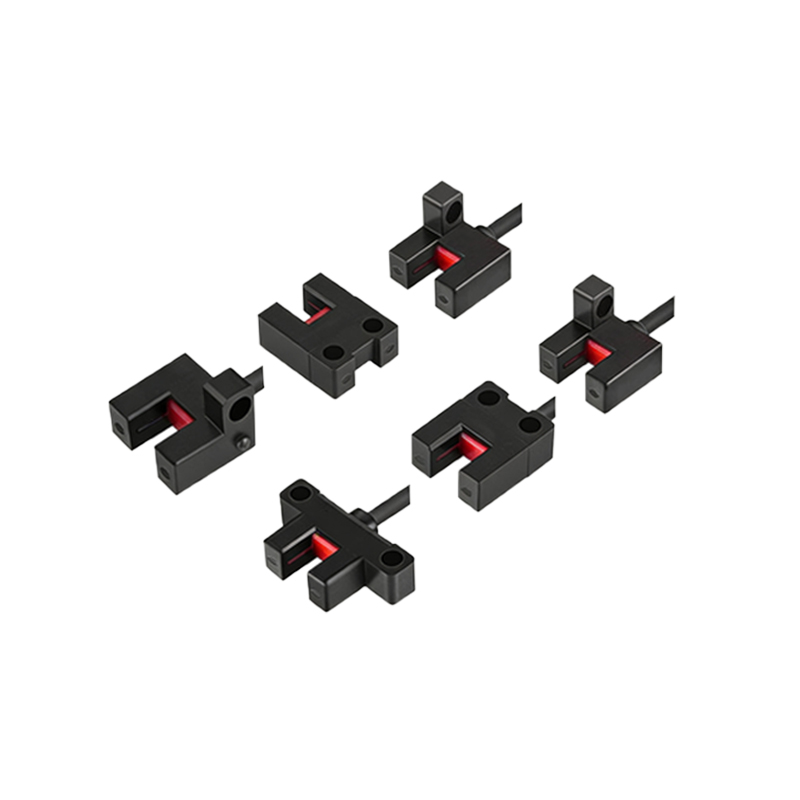
The core of photoelectric metal sorting lies in three main sensor types: through-beam, retro-reflective, and diffuse reflective. Through-beam sensors consist of a separate emitter and receiver, creating an uninterrupted light path; when metal objects break this beam, a signal triggers separation mechanisms. Retro-reflective sensors use a reflector to bounce the beam back to the receiver, ideal for detecting shiny metal surfaces. Diffuse reflective sensors rely on the target's own reflectivity, making them suitable for sorting metals with varying surface textures. Advanced systems integrate microprocessor controllers and adjustable sensitivity settings, allowing operators to fine-tune detection thresholds for specific metal grades. For example, a sensor can differentiate between stainless steel and carbon steel by analyzing the light intensity reflected from their distinct surface finishes. This precision reduces false positives and maximizes sorting efficiency.
Application in Metal Recycling Processes
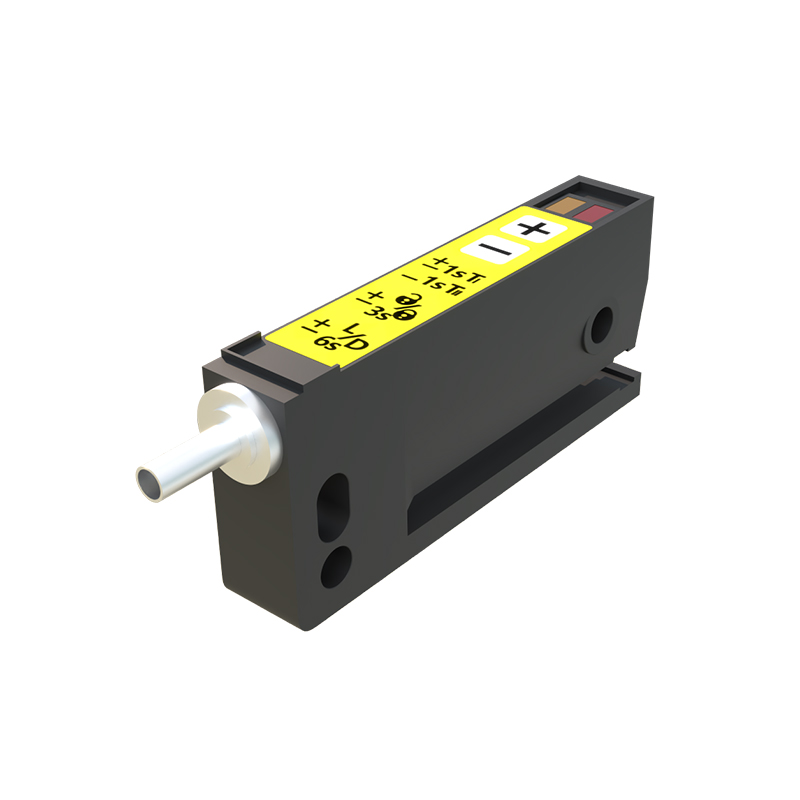
In the recycling industry, photoelectric sensors are deployed in conveyor belt systems to sort shredded metal fragments from electronic waste, automotive scrap, or construction debris. A typical setup includes an array of sensors positioned above the belt, scanning materials in real-time. When a non-ferrous metal like copper is detected, a compressed air nozzle or mechanical flap diverts it into a separate bin. This method achieves processing speeds of up to 3 meters per second, handling tons of material per hour. Compared to eddy current separators, photoelectric sensors offer lower energy consumption and greater flexibility for small-scale operations. They also complement X-ray sorting systems in integrated recycling lines, providing a cost-effective solution for pre-sorting before more detailed analysis.
Integration with Automated Control Systems
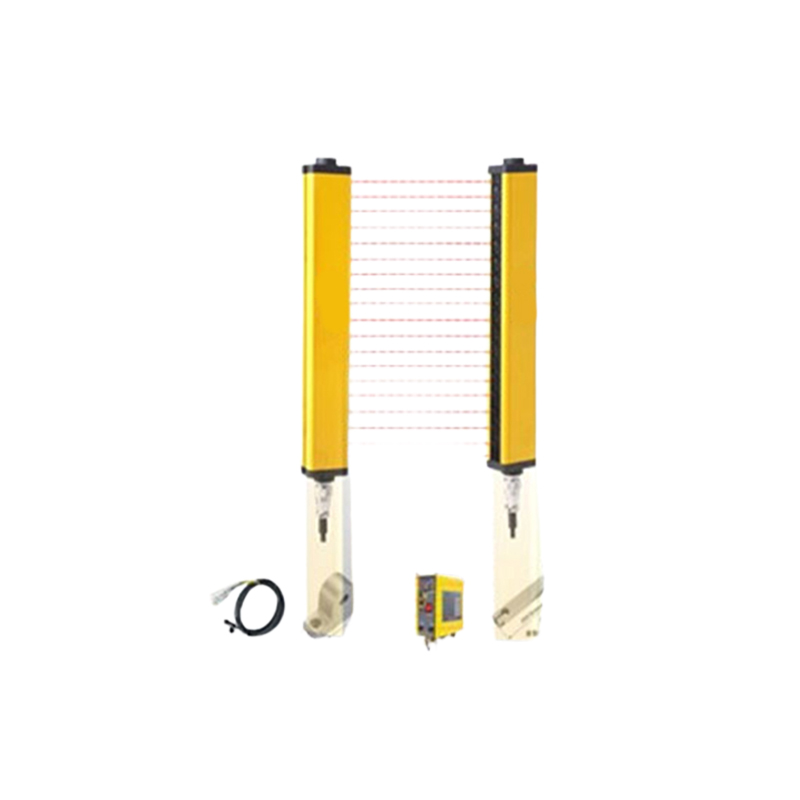
Modern photoelectric sensors are commonly integrated with programmable logic controllers (PLCs) and industrial IoT platforms for seamless automation. Sensors output digital signals (e.g., NPN or PNP) that trigger actuators within milliseconds. Engineers can program the system to classify metals based on pre-defined criteria, such as size, shape, or surface condition. For instance, a sensor might be calibrated to reject aluminum lids while passing steel cans. Data from multiple sensors can be aggregated to monitor sorting accuracy, detect wear in components, and optimize machine settings. This closed-loop feedback improves overall equipment effectiveness (OEE) and reduces downtime. Additionally, wireless sensors enable remote diagnostics, allowing maintenance teams to adjust parameters without halting production.
Maintenance and Calibration Best Practices
To ensure long-term reliability, photoelectric sensors require regular maintenance, including cleaning of lenses and reflectors to prevent dust or oil buildup. Calibration should be performed weekly using reference metal samples to verify detection thresholds. Sensors operating in high-temperature environments may need cooling jackets or shielded housings. Engineers should also inspect cable connections and mounting brackets for vibration-induced loosening. A common issue is cross-talk between closely spaced sensors; this can be mitigated by using modulated light frequencies or physical barriers. Implementing a preventive maintenance schedule reduces false readings and extends sensor lifespan, typically achieving over 50,000 hours of operation before replacement.
Future Trends and Innovations
Emerging technologies are enhancing photoelectric metal sorting capabilities. Multi-spectral sensors now analyze light wavelengths beyond visible range, enabling detection of coated or oxidized metals. Artificial intelligence algorithms process sensor data to improve classification accuracy, learning from historical sorting patterns. Hybrid systems combining photoelectric sensors with near-infrared (NIR) spectroscopy are being developed for complex recycling challenges, such as sorting metal alloys or separating painted panels. These innovations will further reduce waste and increase the purity of recycled metals, supporting circular economy goals in the manufacturing sector.