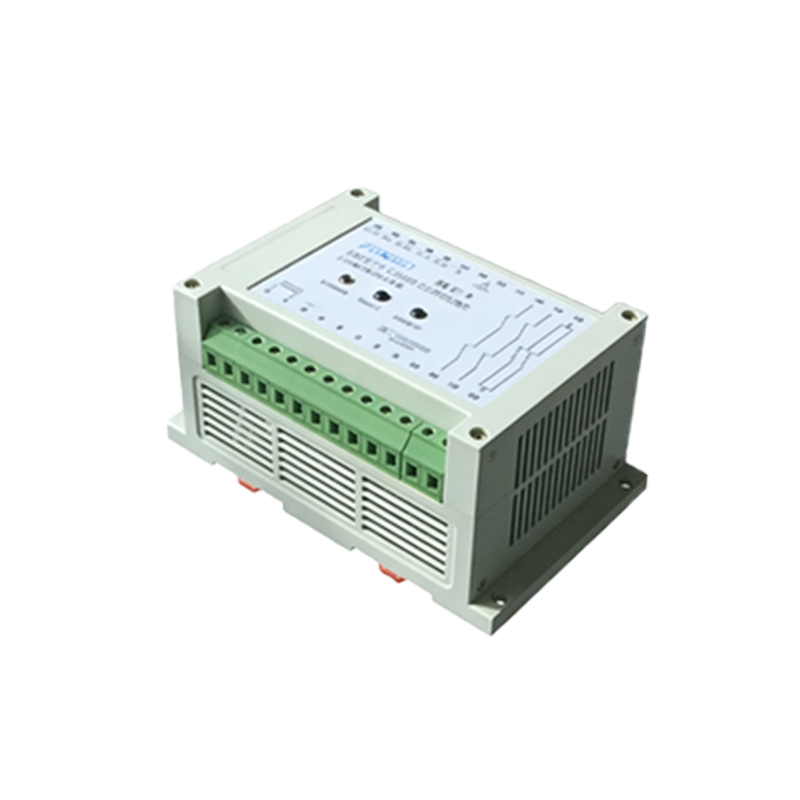
Introduction to Takex Photoelectric Sensors
Takex photoelectric sensors are essential components in modern industrial automation, offering unmatched precision and reliability for object detection, positioning, and counting tasks. Designed by Takex, a renowned leader in sensing technology, these sensors utilize light beams to detect the presence, absence, or distance of objects without physical contact. They are widely deployed in manufacturing lines, packaging systems, and logistics facilities, where accuracy and durability are critical. The sensors operate across various light spectrums, including infrared, visible red, and laser, to accommodate diverse environmental conditions and target materials. Their robust construction ensures resistance to dust, moisture, and vibration, making them ideal for harsh industrial settings.
Key Features and Technical Specifications
Takex photoelectric sensors boast several advanced features that set them apart in the market. They offer long sensing ranges, up to several meters for through-beam models, and high switching frequencies up to 1 kHz for rapid detection. The sensors support multiple output types, such as NPN, PNP, and analog, to interface seamlessly with PLCs and controllers. Key technical parameters include response times as low as 0.5 ms, IP67 protection ratings for dust and water ingress, and operating temperature ranges from -25°C to 55°C. Additionally, many models incorporate background suppression technology to ignore unwanted reflections, ensuring stable detection even on shiny or irregular surfaces. These specifications enable Takex sensors to excel in applications like conveyor belt monitoring, bottle counting, and pallet positioning.
Common Applications in Industrial Systems
In practice, Takex photoelectric sensors are deployed in a wide array of industrial scenarios. For conveyor systems, they detect product jams or gaps, triggering alarms or adjustments to maintain flow efficiency. In packaging machinery, they verify label placement, count items, and control sealing processes with high repeatability. The sensors are also used in automotive assembly lines to check component presence and alignment, reducing manual inspection errors. Additionally, in logistics and warehousing, they monitor inventory levels and guide automated guided vehicles (AGVs) through obstacle detection. Their ability to operate in dusty or wet environments makes them suitable for food processing and beverage bottling plants, where hygiene and reliability are paramount.
Installation and Configuration Best Practices
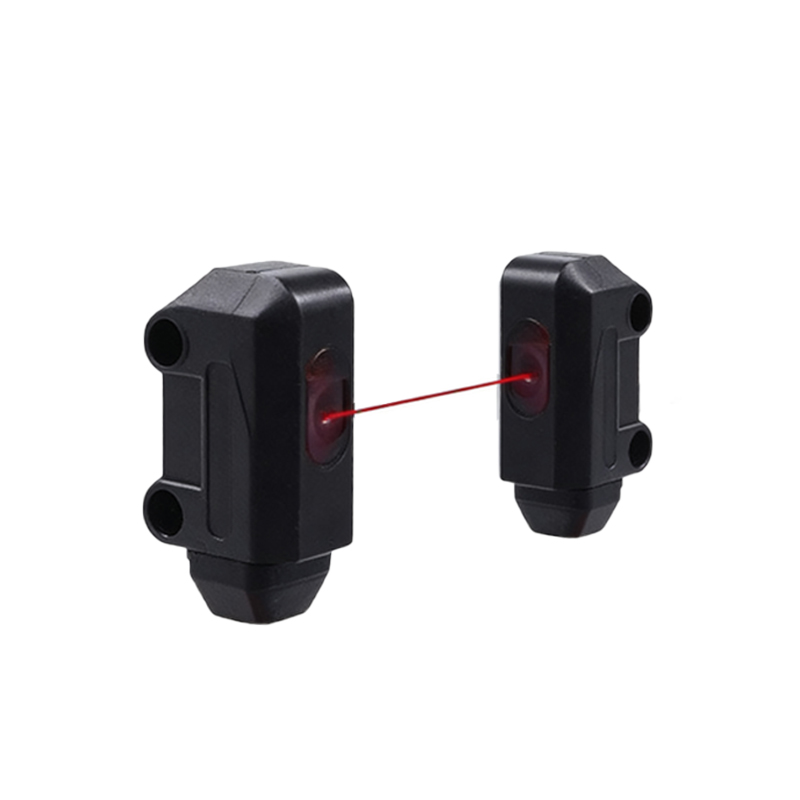
Proper installation and configuration are crucial for maximizing Takex photoelectric sensor performance. First, select the correct sensing mode—through-beam, retro-reflective, or diffuse—based on the target’s opacity, distance, and background conditions. Mount the sensor securely on stable brackets, ensuring alignment with the reflector or receiver for through-beam and retro-reflective types. Use shielded cables to minimize electromagnetic interference, and connect power supplies within the rated voltage range (typically 10-30 VDC). During configuration, adjust the sensitivity potentiometer to avoid false triggers from ambient light or dust. Test the sensor under real operating conditions, including temperature extremes and vibration, to confirm stable detection. Regular cleaning of the lens and reflector surfaces with a soft cloth prevents signal degradation.
Maintenance and Troubleshooting Tips
To ensure long-term reliability, adhere to a routine maintenance schedule for Takex photoelectric sensors. Inspect wiring connections quarterly for corrosion or looseness, and verify that the sensor housing remains sealed against moisture. If detection errors occur, check for misalignment, contaminated optics, or power supply fluctuations. Use the built-in LED indicators to diagnose status: a steady green light indicates normal operation, while a flashing red signals overload or misalignment. For persistent issues, reset the sensor by cycling power, or replace the unit if internal electronics fail. Storing spare sensors in a climate-controlled environment extends their shelf life. By following these practices, users can minimize downtime and extend the sensor’s service life in demanding industrial applications.