Introduction to Floor Photoelectric Sensors
Floor-mounted photoelectric sensors are critical components in modern building automation and industrial environments. These sensors detect objects, presence, or motion by emitting and receiving light beams, typically at floor level. They play a vital role in safety systems, door operations, and traffic management. Common applications include automatic sliding doors, elevator floor detection, and pedestrian counting systems. Key types include through-beam, retro-reflective, and diffuse sensors, each with unique operating principles. Through-beam sensors offer high reliability over long distances but require separate emitter and receiver units. Retro-reflective sensors use a reflector to bounce the beam back, simplifying installation. Diffuse sensors detect objects directly by scattered light, ideal for short-range applications. When selecting a floor photoelectric sensor, factors such as ambient light interference, surface reflectivity, and mounting height must be considered. These sensors often feature IP67 or higher ingress protection for floor-level exposure to dust and moisture.
Through-Beam Floor Sensors for High Precision
Through-beam sensors consist of a separate emitter and receiver aligned across a detection zone. They are ideal for floor-level applications requiring precise object detection, such as in conveyor systems or automated guided vehicles. The emitter sends a continuous or pulsed light beam to the receiver; any interruption triggers a signal. This design provides high immunity to dirt and fog because the beam is focused. Common examples include the Banner Engineering QS18 series and Omron E3Z series. In floor installations, these sensors are often embedded in the ground or mounted in protective housings to withstand foot traffic and machinery. Their range can exceed 30 meters in clean conditions, making them suitable for wide doorways or long corridors. However, alignment is critical; slight misalignment due to floor vibrations can cause false triggering.
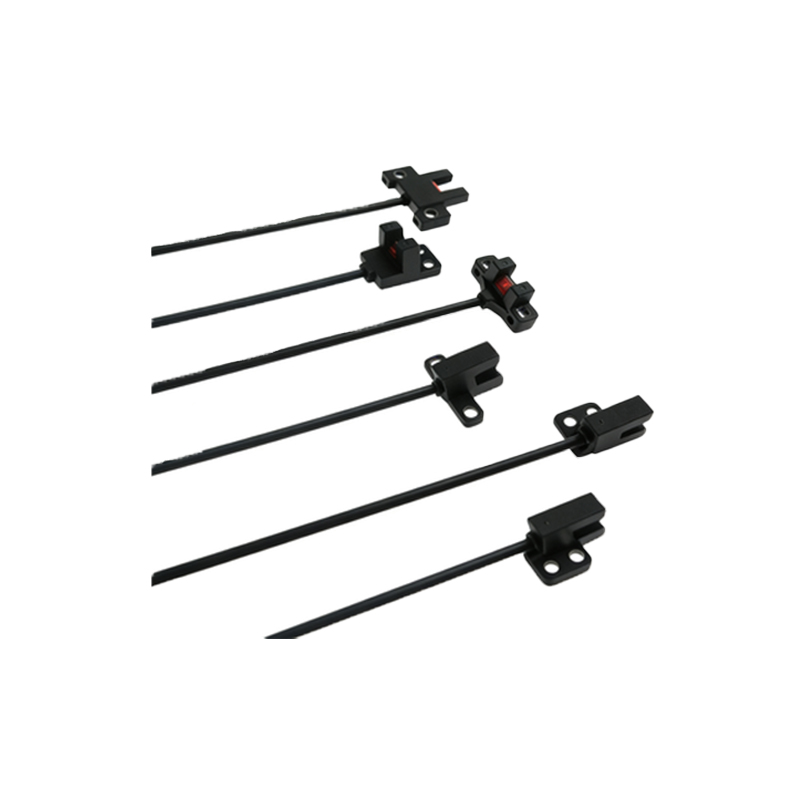
Retro-Reflective Floor Sensors for Versatile Detection
Retro-reflective sensors combine the emitter and receiver in a single housing and use a reflector placed opposite the sensor. This configuration is popular for floor-mounting in automatic doors, as it simplifies wiring and alignment. The sensor emits a beam that returns from the reflector; when an object breaks the beam path, detection occurs. These sensors are less affected by ambient light than diffuse types and have a moderate range, typically up to 10 meters. Key products include the SICK WL12G and Pepperl+Fuchs ML100 series. For floor-level use, the reflector must be clean and properly angled to avoid false signals. Some models include polarizing filters to ignore reflections from shiny floors. Retro-reflective sensors are often employed in retail store entrances and warehouse aisle monitoring.
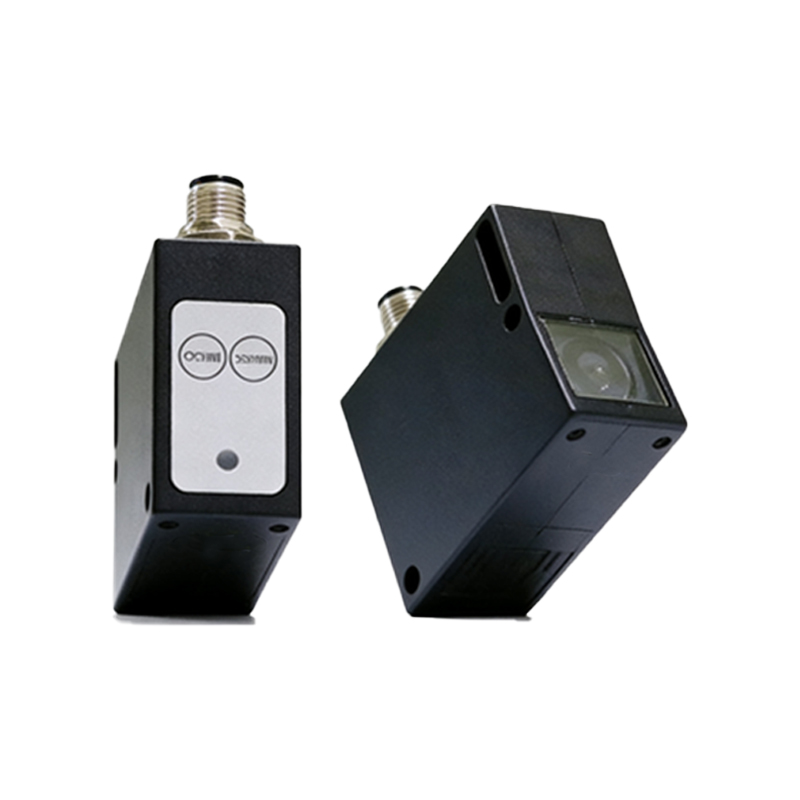
Diffuse Floor Sensors for Short-Range Detection
Diffuse photoelectric sensors, also known as proximity sensors, do not require a separate reflector. They detect objects by the light reflected directly from the target. This makes them ideal for floor-level presence detection, such as in elevator threshold monitoring or pedestrian flow counting. The sensor and receiver are in the same unit, offering compact installation. Their range is limited to a few meters and depends on target color and surface roughness. Common models include the Turck Q25 and IFM O6P series. For floor applications, these sensors often use background suppression technology to ignore distant objects (e.g., the floor itself). This prevents false triggering from floor patterns or dirt. Diffuse sensors are widely used in stairwells and low-traffic areas where simple on/off detection is sufficient.
Fiber Optic Floor Sensors for Hazardous Environments
Fiber optic photoelectric sensors consist of a separate amplifier and a fiber optic cable that can be routed to the floor level. These sensors are ideal for harsh environments where electrical noise, moisture, or explosion risks are present, such as in chemical plants or parking garages. The fiber cable is immune to electromagnetic interference and can be placed in tight spaces. Floor-mounted fiber optic heads are often miniature and can detect small objects. Key systems include the Keyence FS-V30 and Balluff BOS series. Installation requires careful termination of the fiber cable. The amplifier unit can be located remotely, protecting it from floor-level contaminants. Fiber optic sensors offer high sensitivity but may require periodic cleaning of the lens at the floor interface.
Selecting the Right Floor Sensor for Your Application
Choosing the appropriate floor photoelectric sensor involves evaluating several parameters. First, consider the detection range: through-beam for long distances, retro-reflective for medium, and diffuse for short range. Second, assess the environment: dusty or wet conditions favor retro-reflective or fiber optic types. Third, evaluate the target characteristics: reflective surfaces may require polarized models. Fourth, consider mounting constraints: embedded or surface-mounted housings are available. Finally, review output types, such as NPN, PNP, or analog. For example, automatic door systems commonly use retro-reflective sensors due to reliable detection at human height and floor level. Always consult manufacturer datasheets for specific floor-level ratings, such as shock resistance and IP rating. Proper calibration and periodic cleaning are essential for long-term performance.