Introduction to Light Intensity Photoelectric Sensors
Light intensity photoelectric sensors are critical components in modern industrial automation systems. These devices detect changes in light intensity to monitor objects, measure distances, or verify presence without physical contact. As an electrical engineer, I have seen how these sensors improve efficiency in manufacturing lines, packaging, and quality control. They operate by emitting a beam of light, typically from an LED or laser, and analyzing the reflected or interrupted signal. The key advantage is their ability to work in harsh environments, such as dusty or wet conditions, where mechanical sensors might fail. Understanding their principles and applications is essential for optimizing automated processes.
Working Principle of Light Intensity Sensors
The core functionality relies on a photodetector that converts light into an electrical signal. When the emitted light hits a target, the sensor measures the intensity based on the amount of light returned. There are three main modes: through-beam, retro-reflective, and diffuse. In through-beam mode, the emitter and receiver are separate, detecting objects when the beam is broken. Retro-reflective uses a reflector to bounce the light back, while diffuse sensors rely on light reflecting directly from the object. Each mode offers different ranges and sensitivities, allowing engineers to choose based on specific application needs, such as detecting transparent materials or long-distance objects.
Key Parameters for Selection
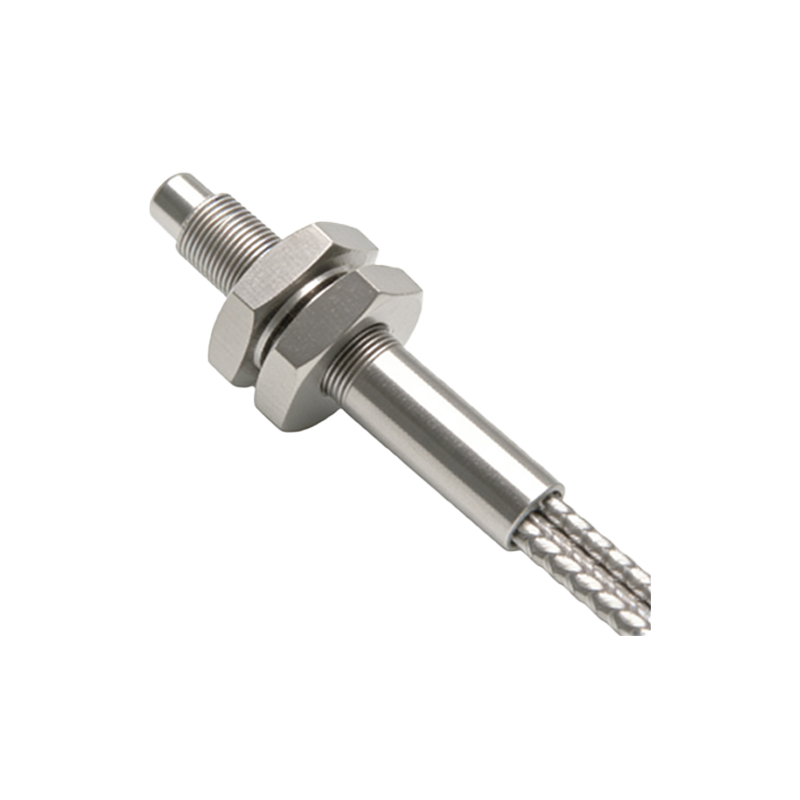
When selecting a light intensity photoelectric sensor, engineers must consider several technical parameters. The sensing range, typically from a few millimeters to over 100 meters, depends on the light source and optics. Response time, often in microseconds, is crucial for high-speed operations. Environmental factors like ambient light, temperature, and humidity affect performance; for instance, infrared sensors are less affected by visible light but may struggle with heat sources. Additionally, output types include NPN, PNP, or analog signals, which must match the control system. Proper calibration ensures optimal sensitivity, avoiding false triggers from dust or vibration.
Common Applications in Industry
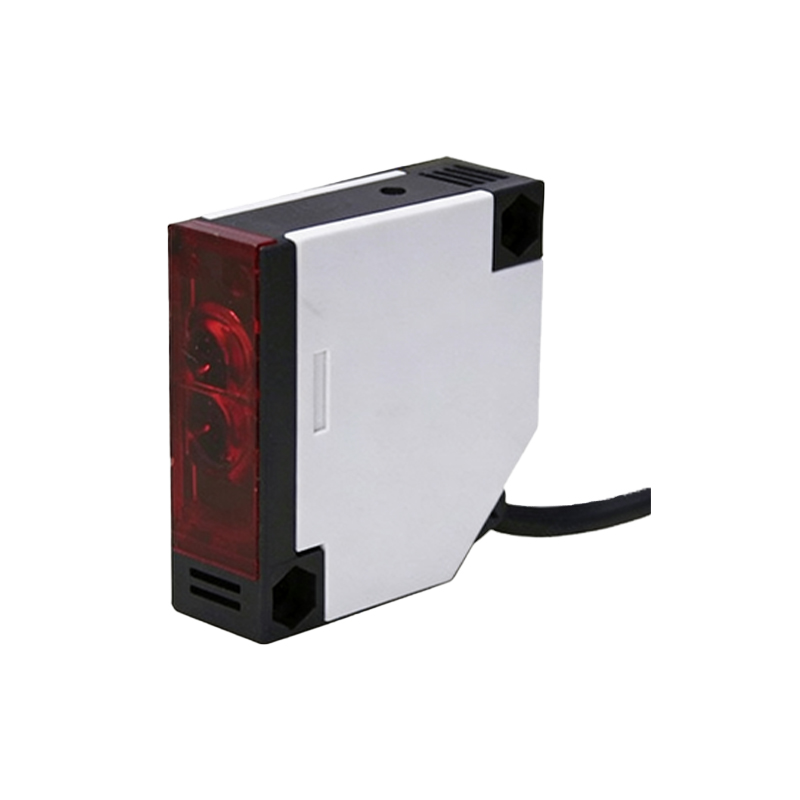
These sensors are widely used in conveyor systems for object counting, positioning, and sorting. In packaging, they verify label presence or seal integrity by detecting light intensity changes. Automotive manufacturing relies on them for precise part alignment, while the food industry uses them to inspect bottle levels or lid closures. Engineers often integrate sensors with PLCs to create automated feedback loops, reducing downtime. For example, in a bottling plant, a retro-reflective sensor can detect missing caps, triggering a rejection mechanism. The versatility of light intensity sensors makes them indispensable for quality assurance and safety.
Installation and Maintenance Tips
Proper installation is vital for reliability. Mount the sensor securely to avoid misalignment due to vibration, and ensure the light path is clear of obstructions. Use lenses or shields to minimize interference from ambient light, especially in outdoor settings. Regular cleaning of optics with a soft cloth prevents dust buildup, which can degrade performance. For long-term maintenance, check electronic connections and calibration settings periodically. If the sensor becomes unstable, verify the power supply voltage and replace aging LEDs. Following these practices extends sensor life and maintains accuracy in demanding environments.
Future Trends and Innovations
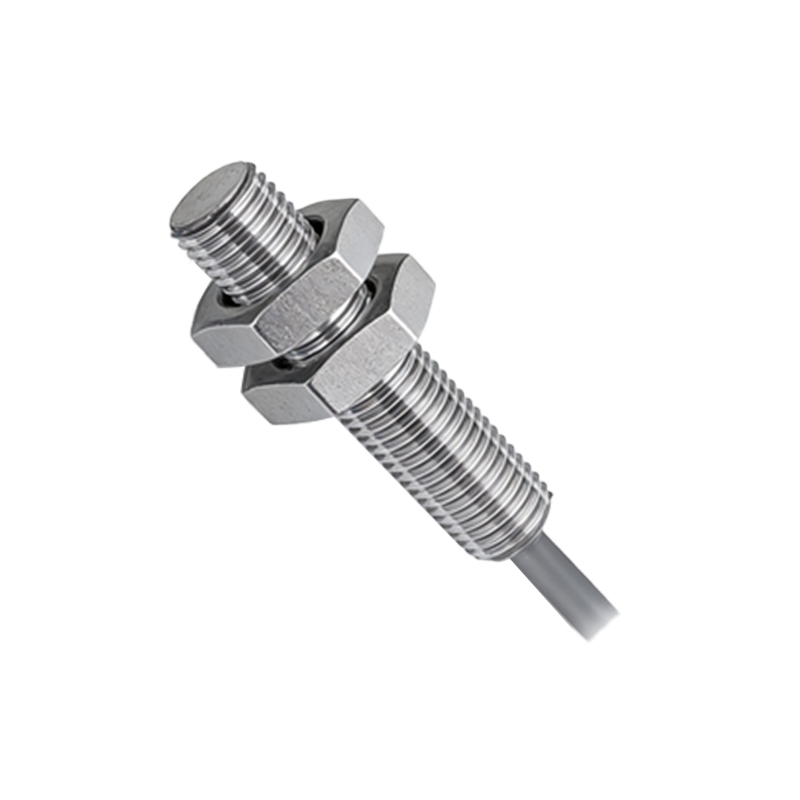
The evolution of light intensity sensors includes smart features like IO-Link communication for real-time data and diagnostics. New materials, such as GaN-based LEDs, enhance efficiency and longevity. Engineers are exploring multispectral sensors that distinguish colors or materials, expanding applications in sorting and inspection. Integration with AI allows predictive maintenance, where sensors detect gradual light loss to alert operators before failure. As Industry 4.0 progresses, these sensors will become more compact and cost-effective, driving deeper automation in smart factories. Staying updated with these trends helps engineers design future-proof systems.