Introduction to Photoelectric Sensor Principles in Metal Detection
Photoelectric sensors are widely used in industrial automation for non-contact object detection. When it comes to detecting metal obstructions, these sensors rely on the principle of light emission and reception. Unlike inductive sensors that solely rely on electromagnetic fields, photoelectric sensors can detect metals based on their reflective or absorptive properties. In many manufacturing environments, metal parts on conveyor belts or robotic arms need precise detection, and photoelectric sensors offer a reliable solution, especially when the metal surface has high reflectivity or when the target is moving at high speeds.
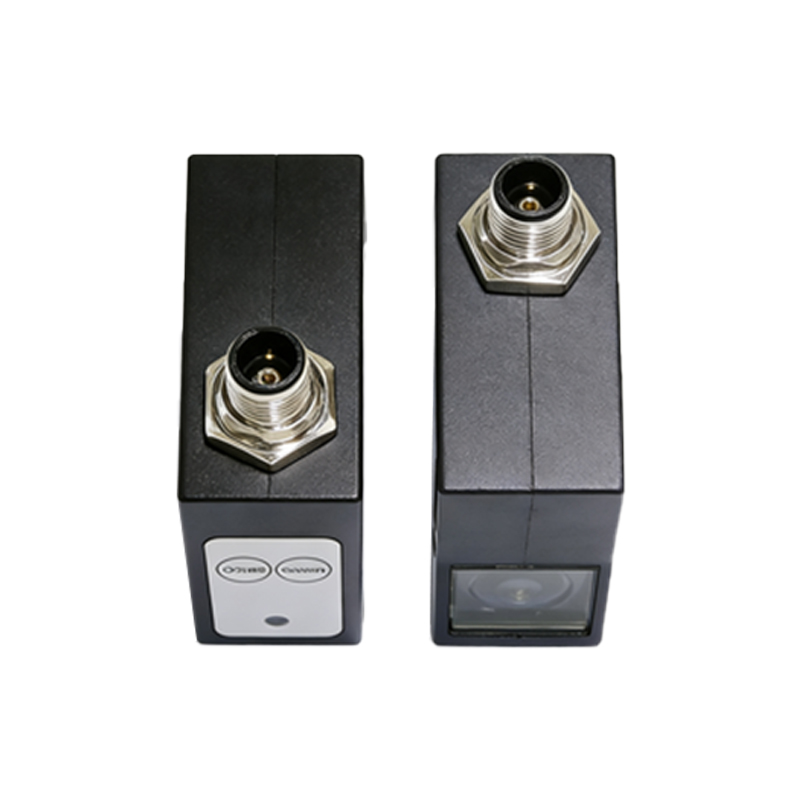
Choosing the Right Sensor Type for Metal Targets
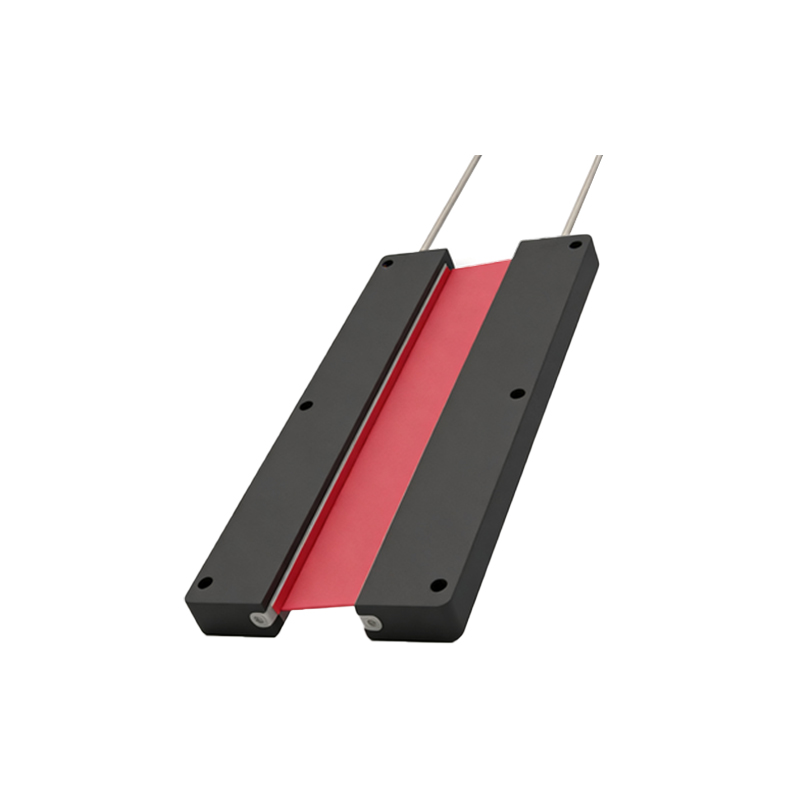
For metal detection, three common photoelectric sensor types are applicable: through-beam, retro-reflective, and diffuse reflective. Through-beam sensors have a separate emitter and receiver, providing the longest range and highest immunity to contamination, ideal for detecting metal plates or foils. Retro-reflective sensors use a reflector and are suitable for shiny metal surfaces, but may require polarizing filters to avoid false signals from specular reflections. Diffuse reflective sensors are less effective for dark metals like cast iron, but can work well with polished metals if the sensing distance is short. Always consider the metal surface finish and ambient light conditions when selecting the sensor.
Factors Affecting Detection Reliability on Metal Surfaces
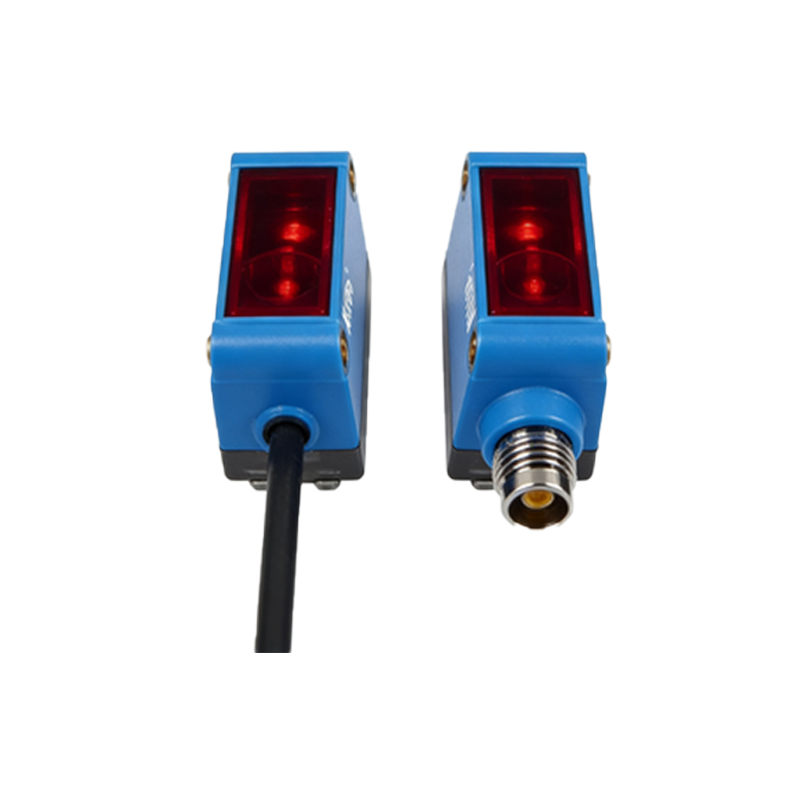
Metal obstruct detection can be challenging due to surface reflectivity, color, and texture. Bright, polished metals like aluminum or stainless steel can cause over-reflection, leading to false triggering or instability in retro-reflective modes. To mitigate this, use sensors with background suppression or select a modulated light source that filters out ambient interference. Additionally, metal edges or holes can create unintended gaps in the light beam; ensure the sensor's beam diameter matches the smallest obstruction size. Dust, oil, or moisture on metal surfaces also attenuate light, so regular cleaning or using sensors with higher optical power is recommended.
Installation and Alignment Best Practices
Proper alignment is critical for photoelectric sensor performance with metal obstructions. In through-beam configurations, ensure the emitter and receiver are perfectly aligned, as metal objects can partially block the beam if misaligned. For retro-reflective sensors, mount the reflector at a slight angle to prevent direct reflections from the metal surface back to the receiver. Always perform a test run with actual metal parts to verify the sensing range and response time. Use mounting brackets with vibration-dampening features in high-speed applications to maintain consistent detection.
Common Applications and Troubleshooting Tips
Typical applications include detecting metal cans in food packaging, metal sheets in stamping presses, and metal components in automotive assembly. If the sensor fails to detect a metal obstruction, first check for excessive ambient light, such as sunlight or welding arcs, which can overpower the sensor's emitter. Next, verify the metal surface condition; non-reflective coatings or heavy oxidation may reduce detection distance. Adjust the sensitivity potentiometer or use a teach-in function if available. In harsh environments, consider using fiber optic photoelectric sensors with a separate amplifier to protect the electronics from heat or debris.
Future Trends and Integration with Smart Systems
Modern photoelectric sensors are increasingly integrating with IoT and industrial 4.0 protocols. For metal detection, sensors with IO-Link communication allow real-time diagnostics and parameter adjustment, such as switching thresholds based on metal type. Laser-based photoelectric sensors offer higher precision for detecting small metal parts, while multi-beam arrays can cover wider areas. As manufacturing becomes more automated, the ability to detect metal obstructions reliably will remain a cornerstone of quality control and safety systems.