Understanding the Market Landscape for Photoelectric Sensors
As an electrical engineer with over a decade of experience in industrial automation, I have frequently encountered the challenge of sourcing photoelectric sensors at competitive prices. The global market for these sensors is fragmented, with leading brands like SICK, Omron, Keyence, and Banner dominating the high-end segment, while numerous Chinese and Taiwanese manufacturers offer cost-effective alternatives. Agent pricing typically varies by brand reputation, sensor type (through-beam, retro-reflective, diffuse), and volume. For instance, a high-precision Keyence sensor might cost $200 to $500 per unit, while a comparable unit from a Chinese OEM could be $30 to $80. Understanding this landscape is crucial for procurement teams to avoid overpaying or compromising on quality.
Factors Influencing Agent Pricing: Volume, Specifications, and Support
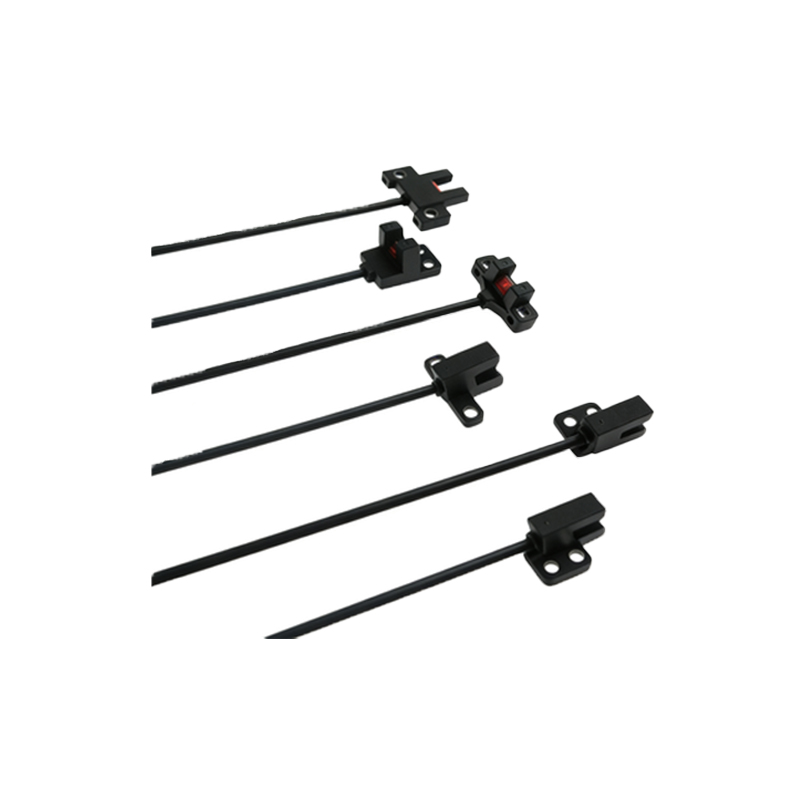
When negotiating with sensor agents, three key factors determine the final price. First, order volume significantly impacts unit cost. For bulk orders exceeding 500 units, agents often offer discounts of 20% to 40% off list price. Second, technical specifications such as sensing range, response time, and environmental rating (IP67 vs. IP69K) escalate costs. A sensor with a 10-meter through-beam range and -40°C to +80°C tolerance will command a premium. Third, value-added services like custom cabling, mounting brackets, or on-site calibration increase agent fees. Always request a detailed quote breaking down base sensor cost, markup, and service charges to ensure transparency.
Comparing Agent Margins Across Regions and Brands
From my experience, agents in North America and Europe typically apply markups of 15% to 30% on list prices for premium brands, reflecting higher operational costs and technical support standards. In contrast, agents in Asia often operate on thinner margins of 5% to 15% but may lack backup engineering resources. For example, a SICK WS12-2D430 through-beam sensor lists at $120 from the manufacturer, but a US agent might quote $145, while a Shenzhen agent could offer $100. However, the latter may not provide warranty replacements or application support. I recommend buyers prioritize agents with ISO 9001 certification and proven track records in your industry.
Strategies for Negotiating Optimal Agent Prices
To secure the best deal in photoelectric sensor procurement, leverage these tactics: First, request quotes from at least three agents for the same model, specifying exact technical requirements to avoid apples-to-oranges comparisons. Second, inquire about annual volume agreements (AVAs) that lock in pricing for 12 months. Third, consider refurbished or end-of-life sensors from reputable agents, which can be 40% cheaper with similar reliability. Finally, always ask for a sample unit for testing before committing to large orders. In my projects, this step has saved thousands by identifying incompatible sensors early.
Hidden Costs and Total Cost of Ownership (TCO)
Beyond initial agent pricing, engineers must evaluate total cost of ownership. For instance, a $50 sensor from a low-cost agent may require replacement every six months, while a $150 premium model lasts five years. Factor in downtime costs, which in a high-speed packaging line can exceed $1,000 per hour. Additionally, confirm if the agent offers free technical support or charges per incident. I have seen buyers save 30% on long-term costs by selecting agents who provide free lifetime troubleshooting for sensor alignment and noise issues.