Introduction to Photoelectric Sensors in Global Trade
As a senior electrical engineer specializing in industrial automation, I have witnessed how photoelectric sensors have become indispensable components in manufacturing and logistics. In the foreign trade sector, these sensors offer reliable detection solutions for products ranging from packaging machinery to conveyor systems. Their ability to operate without physical contact makes them ideal for high-speed production lines, reducing downtime and maintenance costs. For exporters, understanding the technical advantages of photoelectric sensors—such as long sensing distances and immunity to environmental factors like dust and vibration—can significantly enhance product appeal in international markets.
Key Technical Specifications for Export Markets
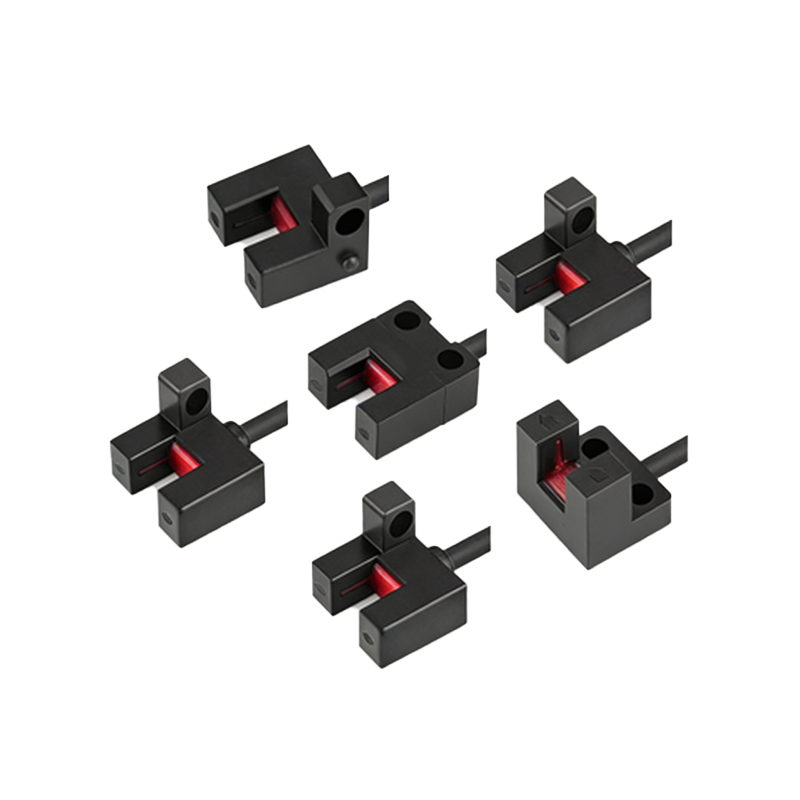
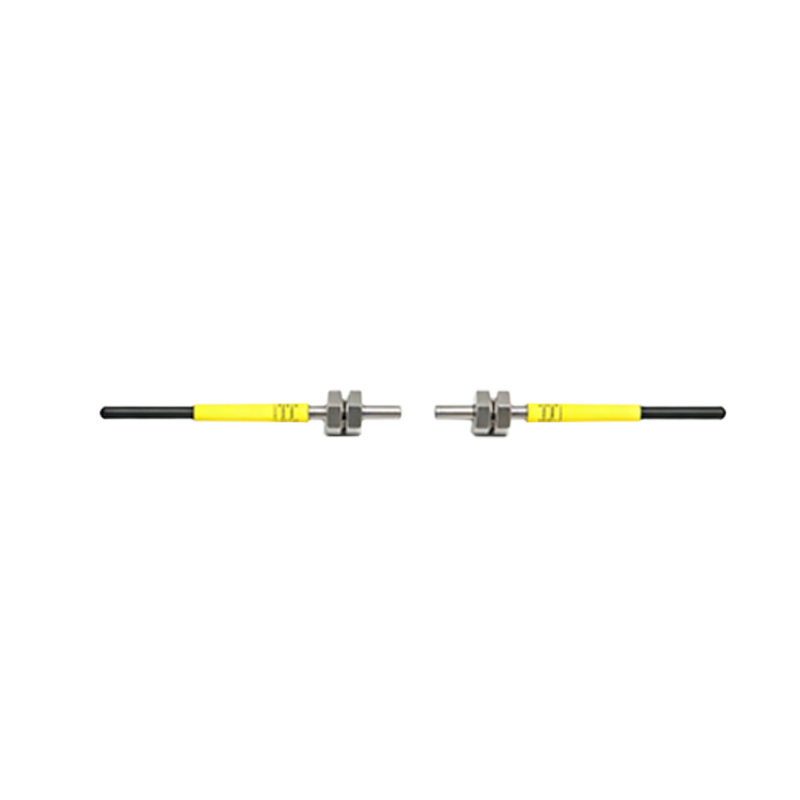
When selecting photoelectric sensors for overseas clients, engineers must prioritize key specifications. Sensing range, response time, and output type (e.g., NPN, PNP, or analog) are critical parameters. For example, through-beam sensors offer the longest detection distances, often exceeding 30 meters, making them suitable for warehouse automation. Retro-reflective and diffuse sensors provide flexibility for space-constrained applications. Additionally, compliance with international standards like CE, UL, and RoHS is non-negotiable for foreign trade. Highlighting these certifications in product documentation builds trust and facilitates customs clearance.
Customization and Application-Specific Solutions
Global buyers demand tailored solutions. Photoelectric sensor manufacturers should offer customizable housing materials (e.g., stainless steel for food processing), cable lengths, and connector types (e.g., M12, M8). For harsh environments, IP67 or IP69K rated sensors ensure durability. I recommend collaborating with clients to understand their specific application—such as detecting transparent objects in bottling plants or verifying label presence in packaging lines. Providing technical drawings and performance curves in English further simplifies cross-border communication.
Quality Assurance and Testing Protocols
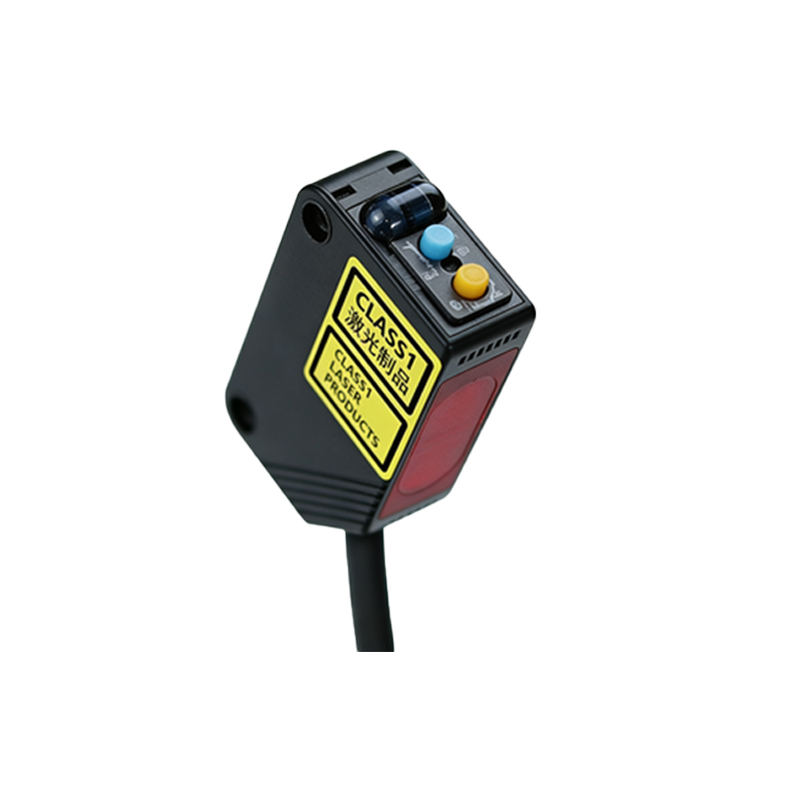
To succeed in foreign trade, rigorous quality control is essential. Each sensor batch should undergo temperature cycling, humidity tests, and electromagnetic compatibility (EMC) checks. I advise implementing a 100% functional test before shipment, including verification of hysteresis and repeatability. Sharing test reports with clients via digital platforms like Alibaba or Made-in-China.com reinforces credibility. Moreover, offering a 12- to 24-month warranty can differentiate your products from competitors.
Marketing Strategies for Global Reach
Effective SEO and multilingual content are vital. Use keywords like “industrial photoelectric sensor,” “long-range detection,” and “IP69K sensor” in product titles and descriptions. Create technical blog posts or videos demonstrating sensor installation and troubleshooting. Leverage B2B platforms and LinkedIn to connect with international distributors. Remember to include clear specifications and application examples in English, avoiding jargon that may confuse non-technical buyers.
Conclusion: Leveraging Technology for Export Growth
Photoelectric sensors are more than components—they are enablers of efficiency in global supply chains. By focusing on technical excellence, customization, and clear communication, electrical engineers can help their companies capture a larger share of the foreign trade market. Stay updated on trends like Industry 4.0 and IoT integration, as these will define the next generation of sensor solutions.