Introduction to Kona Photoelectric Sensors
Kona photoelectric sensors are essential components in modern industrial automation systems, designed to detect objects, measure distances, and ensure precise control in manufacturing environments. These sensors utilize light beams to identify target presence, offering high reliability and performance across various applications. As an experienced electrical engineer, I recommend Kona sensors for their durability, accuracy, and ease of integration into complex systems.
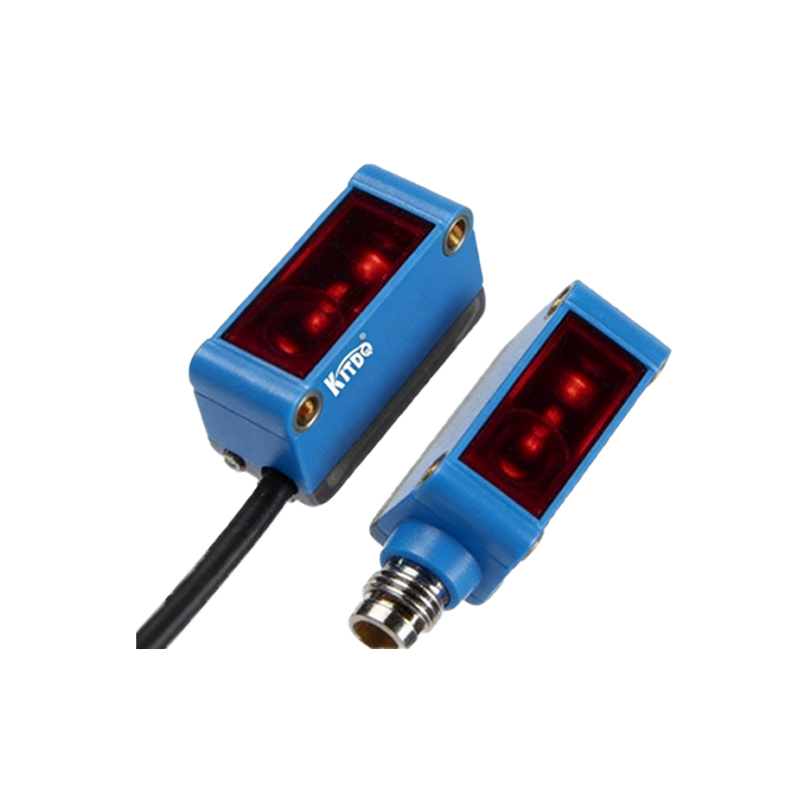
Key Features and Technical Specifications
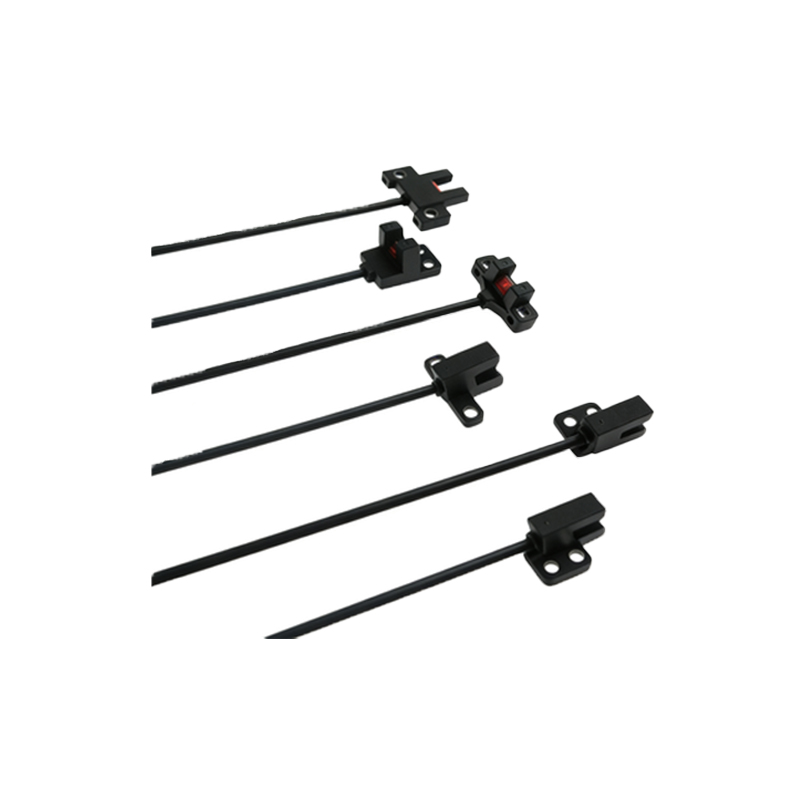
Kona photoelectric sensors operate on advanced optics and electronics, featuring robust construction to withstand harsh industrial conditions. Key specifications include sensing ranges from 0.1 to 20 meters, response times as low as 0.5 milliseconds, and compatibility with multiple output types such as NPN, PNP, and analog signals. They support through-beam, retro-reflective, and diffuse sensing modes, ensuring flexibility for different tasks. Additionally, IP67-rated enclosures protect against dust and moisture, making them suitable for wet or dusty environments.
Working Principle and Sensing Modes
The core principle involves emitting a light beam (typically infrared, red, or laser) from an emitter to a receiver. In through-beam mode, the emitter and receiver are separate, providing long-range detection up to 20 meters. Retro-reflective mode uses a reflector to bounce the beam back to the sensor, ideal for medium ranges. Diffuse mode relies on the target itself to reflect light, perfect for short-range applications. Kona sensors incorporate background suppression to avoid false triggers from distant objects.
Application Scenarios in Industrial Settings
These sensors excel in conveyor belt monitoring, packaging line counting, and robotic arm positioning. For example, in automotive assembly lines, Kona sensors detect exact part locations to guide welding robots. In food processing, their hygienic design prevents contamination while counting bottles or pouches. They also monitor material levels in hoppers, ensuring consistent supply in cement or chemical plants. The ability to operate in high temperatures and vibration environments makes them a top choice for heavy machinery.
Installation and Calibration Best Practices
Proper installation ensures optimal performance. Mount the sensor securely on a stable bracket, aligning the emitter and receiver precisely. For through-beam systems, avoid obstructions between units. Use shielded cables to minimize electrical noise, and set the sensitivity potentiometer to match the target's reflectivity. Calibrate using the teach-in function to fine-tune detection thresholds. Always test with real-world objects to verify accuracy before commissioning.
Troubleshooting Common Issues
Common problems include false triggering due to ambient light or reflective surfaces. To mitigate, install light shields or adjust the sensing angle. If the sensor fails to detect, check for dirty lenses and clean with a soft cloth. For intermittent operation, inspect power supply voltage and cable connections. Kona sensors offer diagnostic LEDs indicating output status, simplifying fault detection. Ensure firmware updates are applied for advanced models.
Integration with PLC and Automation Systems
Kona photoelectric sensors integrate seamlessly with PLCs via standard I/O modules. Configure the output wiring based on your system's requirements, typically using sinking or sourcing configurations. For high-speed applications, select sensors with fast response times and use shielded twisted-pair cables. Program the PLC to read sensor signals for logic control, such as triggering alarms or adjusting conveyor speed. Many Kona models support IO-Link for advanced diagnostics and parameter adjustment.
Advantages Over Competing Technologies
Compared to inductive or capacitive sensors, Kona photoelectric sensors offer longer detection ranges and better performance with non-metallic targets. They outperform ultrasonic sensors in dusty environments due to light-based detection. The wide variety of lens options and housing styles allow customization for unique applications. Energy efficiency is another plus, with low power consumption extending equipment life.
Maintenance and Longevity Tips
Regularly inspect sensor lenses for scratches or dirt, cleaning with isopropyl alcohol if needed. Replace sealing gaskets annually to maintain IP rating. Monitor environmental temperature; most Kona sensors operate from -25°C to 55°C. For outdoor use, add UV-resistant covers. Keep spare sensors for critical lines to minimize downtime. Document calibration settings for quick reapplication after replacement.
Conclusion and Future Trends
Kona photoelectric sensors remain a reliable backbone for industrial automation. Emerging trends include smart sensors with built-in data analytics and wireless connectivity, enabling predictive maintenance. As automation evolves, Kona continues to innovate with smaller footprints and higher resolution. For engineers seeking robust, accurate detection solutions, these sensors provide unmatched value.