Introduction to Photoelectric Sensors
Photoelectric sensors are critical components in modern industrial automation, detecting the presence or absence of objects using light beams. These sensors operate by emitting a light source (typically infrared, visible red, or laser) and receiving the reflected or interrupted signal. The core function of any photoelectric sensor is its ability to switch between ON and OFF states based on the light received. Understanding this switching mechanism is essential for engineers designing reliable control systems.
Fundamental Switching Mechanisms
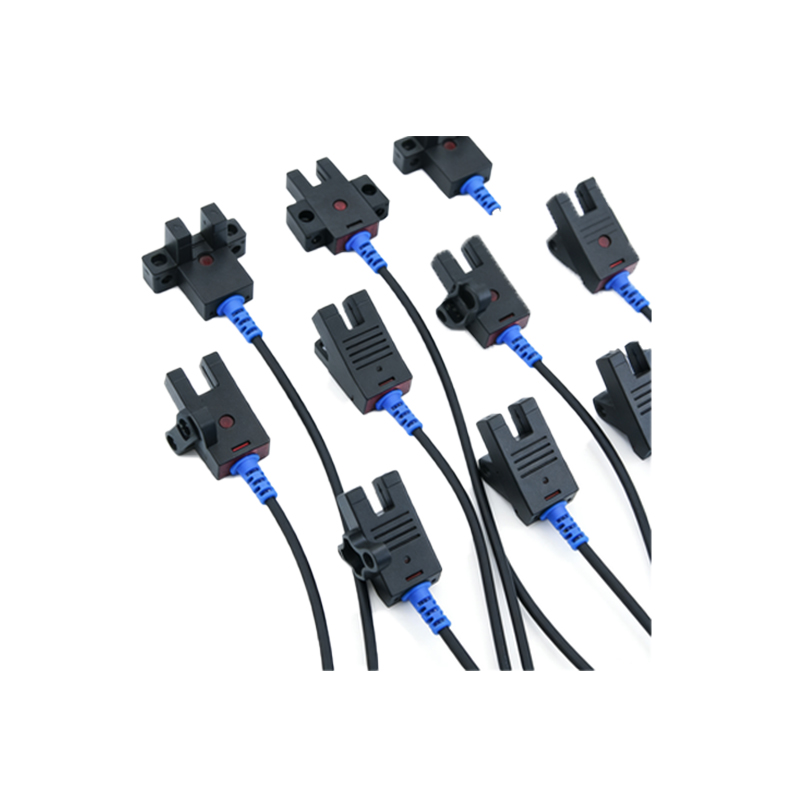
The ON and OFF states of a photoelectric sensor are determined by the intensity of light reaching the receiver. In a standard diffuse reflective sensor, the sensor is normally OFF when no object is present, as the emitted light scatters without returning to the receiver. When an object enters the sensing field, it reflects light back to the receiver, triggering the output to switch to ON. Conversely, in through-beam sensors, the receiver is normally ON when the light path is clear; any interruption by an object causes the output to switch OFF. This binary behavior is precisely controlled by the sensor's internal comparator circuit, which compares the received light level against a preset threshold.
Threshold Adjustment and Hysteresis
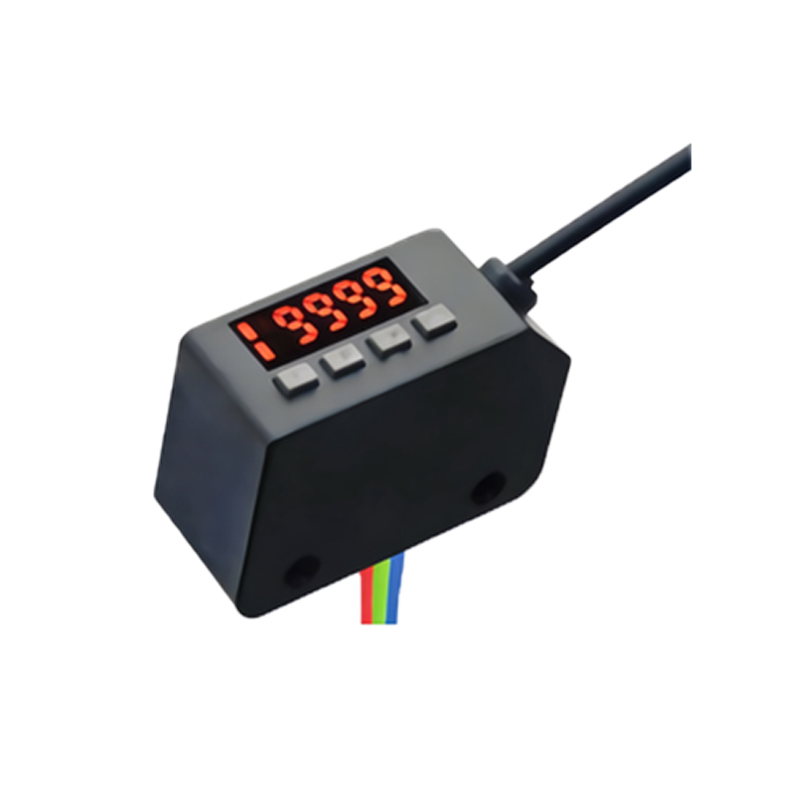
To ensure stable switching and avoid erratic behavior near boundaries, photoelectric sensors incorporate hysteresis. Hysteresis creates a small gap between the ON and OFF threshold levels. For example, if a sensor switches ON when light intensity exceeds 80% of the maximum, it will only switch OFF when intensity drops below 70%. This prevents rapid toggling caused by minor fluctuations in light or object position. Engineers must calibrate this threshold based on the target object's reflectivity, distance, and ambient light conditions.
Response Time and Switching Speed
The switching speed of a photoelectric sensor is defined by its response time, typically measured in milliseconds or microseconds. Fast-switching sensors are essential for high-speed production lines, such as bottle counting or conveyor belt monitoring. The ON-to-OFF and OFF-to-ON delays are influenced by the sensor's internal electronics, including photodiode recovery time and amplifier settling. For most industrial applications, a response time of under 1 ms is sufficient, but laser-based sensors can achieve sub-microsecond switching for precise positioning tasks.
Output Configurations for ON/OFF Control
The actual ON/OFF signal is delivered through output configurations such as NPN (sinking), PNP (sourcing), or relay contacts. In a PNP configuration, the output is HIGH (ON) when the sensor is active, providing a positive voltage to the load. In NPN configuration, the output is LOW (ON) by sinking current to ground. Relay outputs offer isolated switching but are slower. Engineers must match the output type to the PLC input module or actuator requirements to ensure proper signal interpretation.
Troubleshooting Common Switching Issues
Common problems in photoelectric sensor switching include false ON signals due to ambient light interference, erratic OFF states from dirty optics, or slow switching due to aging components. To mitigate these, implement shielding against stray light, use lenses with anti-reflective coatings, and perform regular cleaning. Additionally, verify that the sensor's operating distance and target size align with the datasheet specifications. If hysteresis is too narrow, adjust the threshold to prevent oscillation near the detection boundary.
Conclusion and Best Practices
Mastering the ON/OFF switching behavior of photoelectric sensors requires a thorough understanding of light physics, threshold settings, and output electronics. For optimal performance in automated systems, always consider ambient light conditions, target material properties, and environmental factors like dust or vibration. Properly selected and calibrated sensors ensure reliable switching, reducing downtime and improving production efficiency.