Introduction to BO Through-Beam Photoelectric Sensors
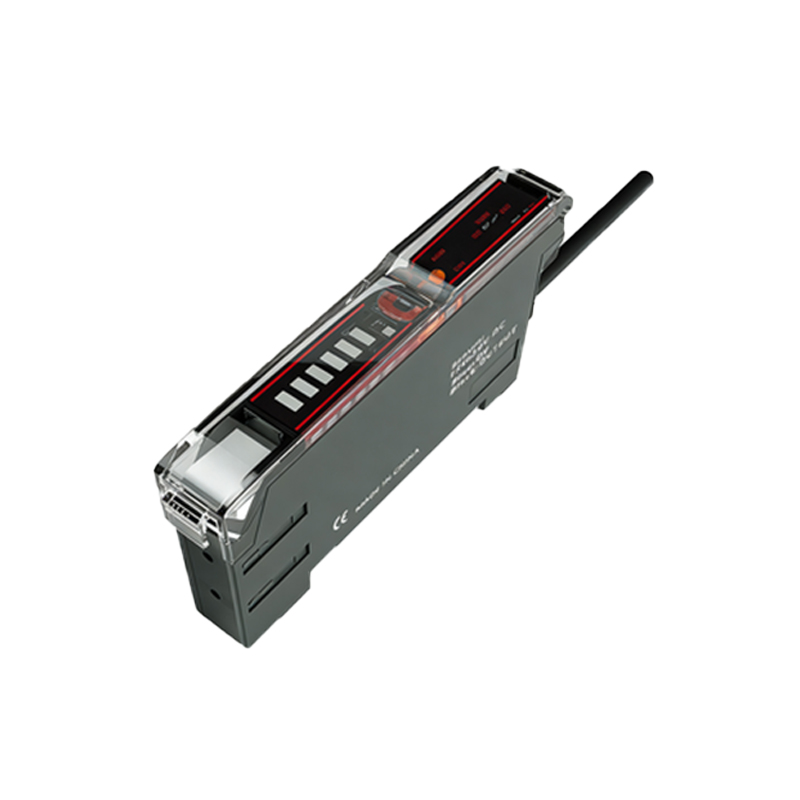
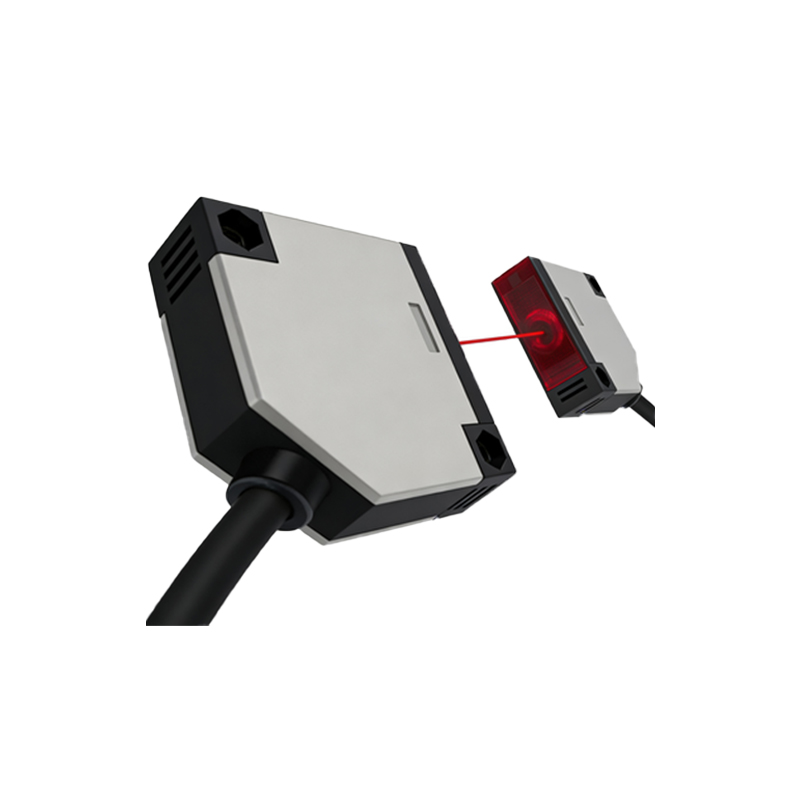
BO through-beam photoelectric sensors are a critical component in modern industrial automation, offering reliable object detection across long distances. Unlike diffuse or retro-reflective sensors, the through-beam design separates the emitter and receiver into two distinct units, ensuring high immunity to ambient light, dust, and other environmental factors. These sensors are widely used in material handling, packaging, and assembly lines due to their precision and stability.
Working Principle of BO Through-Beam Sensors
The operation of a BO through-beam sensor is straightforward yet effective. The emitter continuously sends a focused light beam, typically infrared or visible red, directly to the receiver. When an object interrupts this beam, the receiver detects the break and triggers an output signal. This design provides the highest level of detection reliability among photoelectric sensors, as it requires the object to physically block the entire light path. The typical range for these sensors can exceed 30 meters, making them ideal for large-scale industrial applications.
Key Advantages in Industrial Environments
BO through-beam sensors excel in harsh industrial settings. Their separate housing for emitter and receiver reduces interference from reflective surfaces and contaminants like oil, water, or dust. They are immune to background objects, ensuring false triggers are minimized. Additionally, the long sensing range allows for installation in wide conveyor belts or high-ceiling warehouses without sacrificing accuracy. The response time is typically fast, often under 1 millisecond, enabling high-speed counting or positioning tasks.
Common Applications and Use Cases
In industrial automation, BO through-beam sensors are deployed for several critical functions. They are ideal for detecting small parts at high speeds, such as in pharmaceutical blister packaging or electronics assembly. In logistics, they monitor the presence of boxes on conveyor systems, triggering sortation or diverting mechanisms. They also serve as safety barriers in automated guided vehicles (AGVs) and robotic cells, ensuring no personnel enter dangerous zones. Their robust design makes them suitable for outdoor use as well, such as in automated gate systems.
Installation and Alignment Best Practices
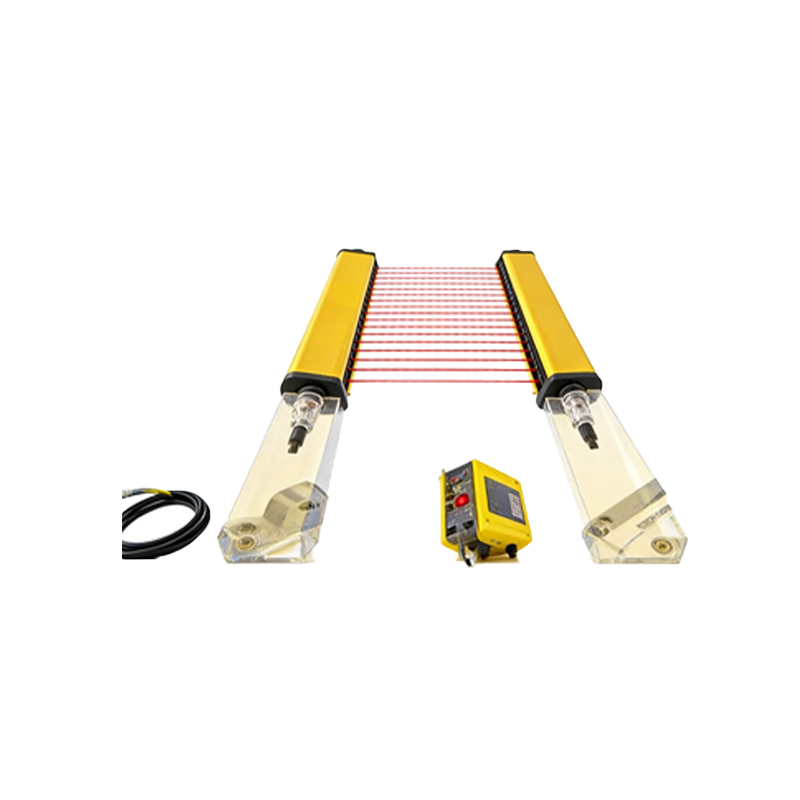
Proper installation is crucial for optimal performance. The emitter and receiver must be precisely aligned, as any misalignment can cause false signals or reduced range. Use laser alignment tools or built-in visual indicators to achieve exact positioning. Mount both units on stable brackets to prevent vibration-induced drift. For long-range applications, consider using shielded cables to avoid electrical noise interference. Regular cleaning of the lens surfaces is recommended, especially in dusty environments, to maintain beam integrity.
Comparison with Other Photoelectric Sensor Types
When compared to diffuse or retro-reflective sensors, BO through-beam variants offer superior range and reliability. Diffuse sensors rely on object reflection, which can be inconsistent for dark or glossy surfaces. Retro-reflective sensors require a reflector and are susceptible to misalignment. BO sensors, however, provide the most definitive detection, as the beam must be completely broken. The trade-off is the need for two separate units and more complex wiring, but for applications demanding high accuracy, this is a worthwhile investment.
Maintenance and Troubleshooting Tips
Maintaining BO through-beam sensors involves routine checks. Inspect the alignment periodically, as thermal expansion or mechanical shifts can alter the beam path. Clean the optical lenses with a soft, lint-free cloth to remove dirt or oil films. If the sensor fails to detect objects, verify the power supply voltage and check for damaged cables. Use the optional sensitivity adjustment to fine-tune the detection threshold, especially in environments with extreme ambient light. Always consult the manufacturer’s manual for specific troubleshooting codes.
Future Trends in Through-Beam Sensor Technology
The evolution of BO through-beam sensors is driven by Industry 4.0 demands. Modern sensors now integrate IO-Link communication, allowing real-time data exchange and remote parameter configuration. Enhanced optics with anti-reflective coatings improve performance in high-glare conditions. Miniaturization is also a trend, enabling installation in compact machinery. As automation becomes more intelligent, these sensors will likely incorporate edge computing for faster decision-making, further solidifying their role in smart factories.