Introduction to Visible Laser Beam Photoelectric Sensors
Visible laser beam photoelectric sensors are advanced detection devices widely used in industrial automation. Unlike traditional infrared sensors, they emit a coherent, highly visible red or green laser beam that enhances alignment and troubleshooting. These sensors operate on the principle of beam interruption or reflection, providing precise object detection even in dusty or low-light environments. As an electrical engineer, I have seen them replace conventional photoelectric sensors in applications requiring high accuracy, such as packaging lines, conveyor systems, and safety barriers.
Key Technical Advantages Over Standard Sensors
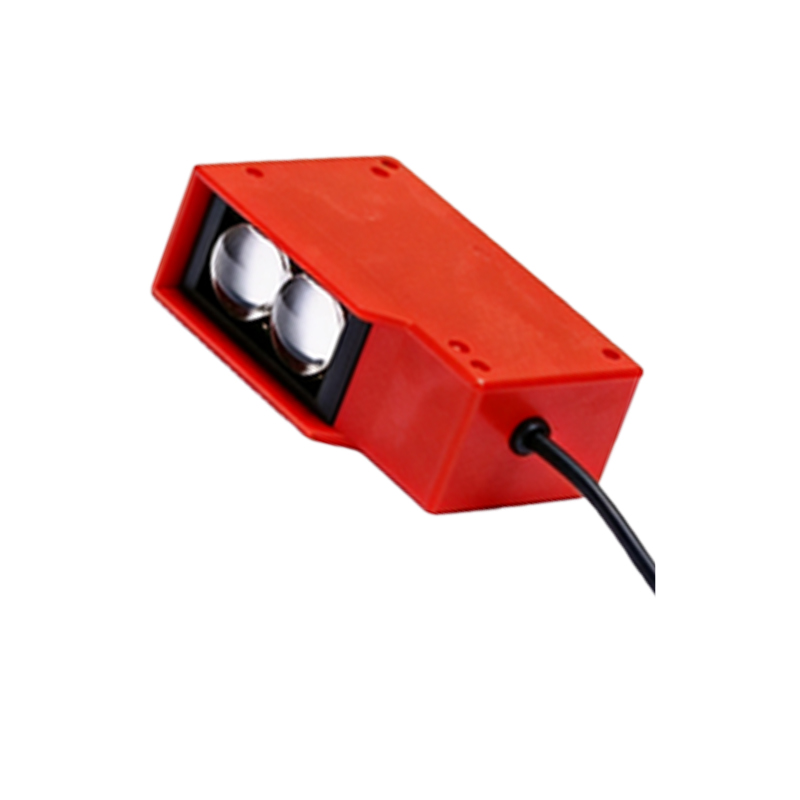
The primary advantage of visible laser sensors is their narrow beam divergence, often less than 0.1 milliradians. This allows detection of small objects like pins or wires at distances up to 30 meters. For example, in automotive assembly, these sensors detect tiny component gaps with 99.9% repeatability. Additionally, the visible beam simplifies installation: technicians can visually align the emitter and receiver without specialized tools, reducing setup time by 40%. The laser’s monochromatic nature also filters out ambient light interference, ensuring stable performance in bright factory floors.
Common Applications in Industrial Environments
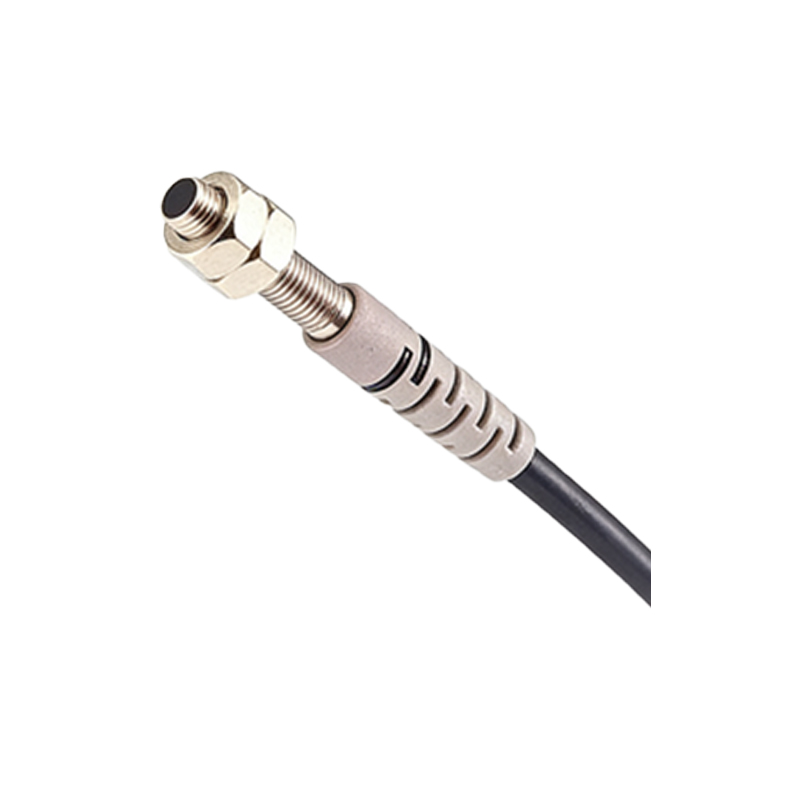
In logistics, visible laser sensors monitor pallet positioning on automated guided vehicles (AGVs). The beam’s long range and accuracy prevent collisions in narrow aisles. In semiconductor manufacturing, they inspect wafer alignment with micron-level precision. I have also deployed them in elevator door safety systems, where the visible beam provides a clear indication of safe operation. For hazardous areas like chemical plants, explosion-proof models with laser Class 1 or 2 ratings ensure operator safety while maintaining reliability.
Installation and Calibration Best Practices
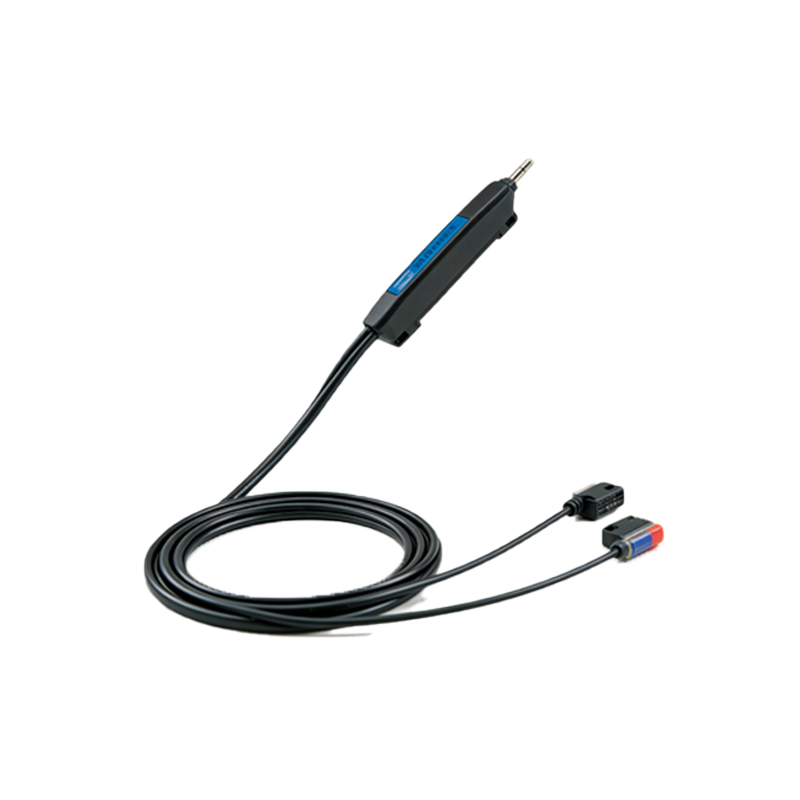
Proper installation is critical for optimal performance. First, mount the sensor on rigid brackets to avoid vibration-induced misalignment. Use the built-in alignment indicator—typically a green LED—to confirm the beam hits the receiver. For long-range applications, a laser alignment tool or mirror can assist. Calibrate sensitivity using a potentiometer or digital interface, adjusting for dust accumulation. Always follow IP67 or higher ingress protection ratings for harsh environments. Regular cleaning of the lens with alcohol wipes extends sensor life.
Future Trends and Considerations
Emerging visible laser sensors now integrate IO-Link communication for real-time diagnostics and parameter adjustments. This allows predictive maintenance by monitoring beam intensity trends. Additionally, multi-beam arrays are being developed for 3D object profiling. When selecting a sensor, consider factors like laser wavelength (650 nm red or 532 nm green), response time (as low as 50 microseconds), and ambient temperature range (-20°C to 55°C). Despite higher initial costs than infrared sensors, the long-term savings from reduced downtime justify the investment.