Fundamental Principle of Photoelectric Sensors
As a senior electrical engineer in the automation industry, I often encounter this question from both new technicians and experienced integrators. The short answer is yes—every photoelectric sensor relies on a light source to function. However, the role of that source varies by sensor type. Photoelectric sensors operate by emitting light (typically from an LED or laser) and detecting changes in that light’s reflection, interruption, or transmission. Without a light source, the sensing mechanism fails. This is a core tenet in industrial control, where reliability depends on understanding the physics behind the device.
Types of Light Sources in Industrial Sensors
Modern photoelectric sensors use several light source types: visible red LEDs (common for general-purpose sensing), infrared LEDs (for longer ranges or dusty environments), and laser diodes (for precision applications like small object detection). The choice of source affects performance—lasers offer narrow beams for high accuracy but require cleaner optics, while LEDs provide broader coverage and cost efficiency. In harsh industrial settings, we often select infrared for its resilience to ambient light interference, but always ensure the source’s wavelength matches the sensor’s receiver.
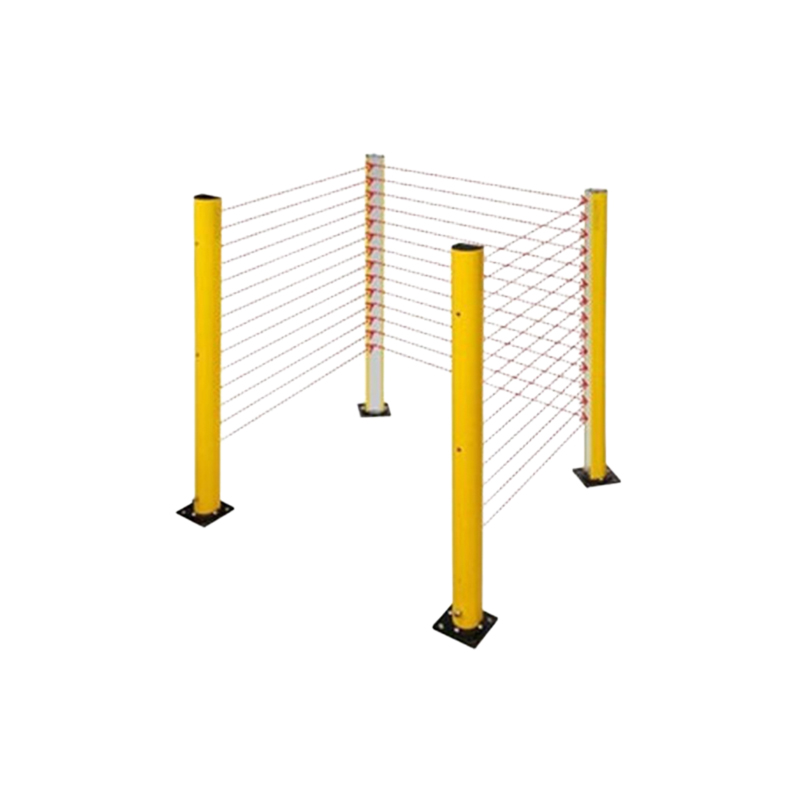
Do All Sensors Emit Their Own Light?
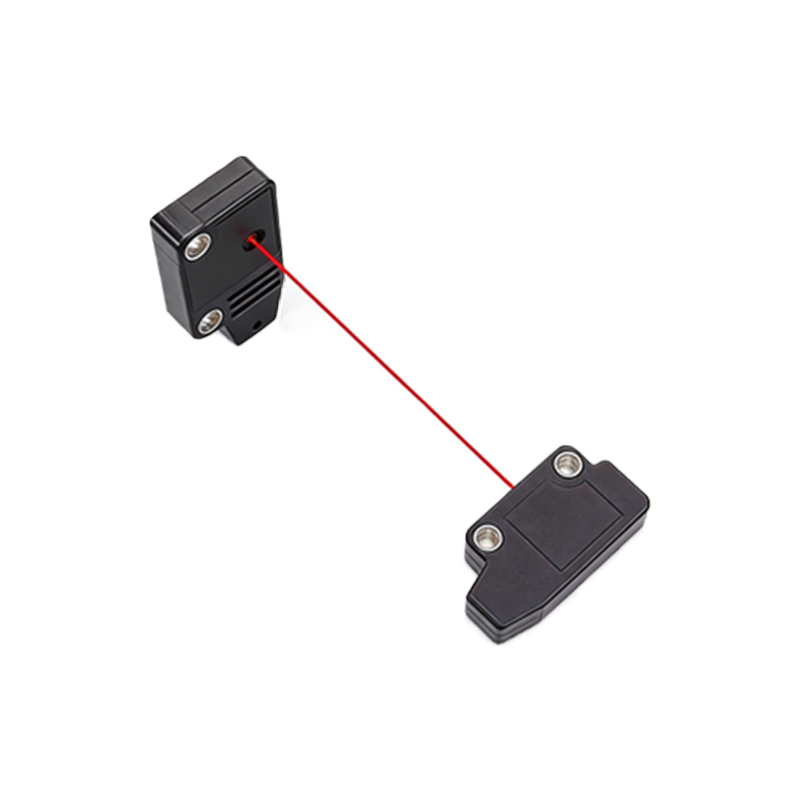
Not exactly. While most photoelectric sensors are “active” (they contain an emitter and receiver in one unit, like in through-beam or retro-reflective models), some configurations use ambient light. For example, “dark-on” sensors detect the absence of light when an object blocks a beam, but the source is still provided by the sensor itself. True passive sensors, which rely only on external light, are rare in industrial use due to instability. In practice, every standard photoelectric sensor requires an integrated or paired light source to generate a detectable signal.
Why Sensors Without Light Sources Fail
Consider a scenario: a conveyor belt uses a photoelectric sensor to count boxes. If the light source fails (e.g., LED burnout or power loss), the sensor outputs a constant “blocked” or “unblocked” state, causing false triggers. This is why preventive maintenance includes checking emitter intensity. In contrast, sensors that claim to “work without light” are often mislabeled—they may use ultrasound or capacitive principles, which fall outside photoelectric technology. For true photoelectric detection, the light source is non-negotiable.
Selecting the Right Sensor for Your Application
As an engineer, you must match the light source to the environment. For clear object detection, use a laser or polarized retro-reflective sensor. For long distances (up to 30m), through-beam with infrared is best. For harsh conditions like welding sparks, consider fiber-optic extensions that protect the light source. Always verify the sensor’s specification sheet: it lists the source type, wavelength, and operating margin. A sensor without a documented light source is likely not a photoelectric type.
Conclusion: Light Is the Heart of the System
In summation, every photoelectric sensor requires a light source to perform its primary function—converting optical signals into electrical outputs. Whether it’s a simple LED or a sophisticated laser, the source defines the sensor’s reliability, range, and accuracy. In over 20 years of field experience, I have never encountered a true photoelectric sensor that operates without one. For any automation project, treat the light source as a critical component, not an optional feature.