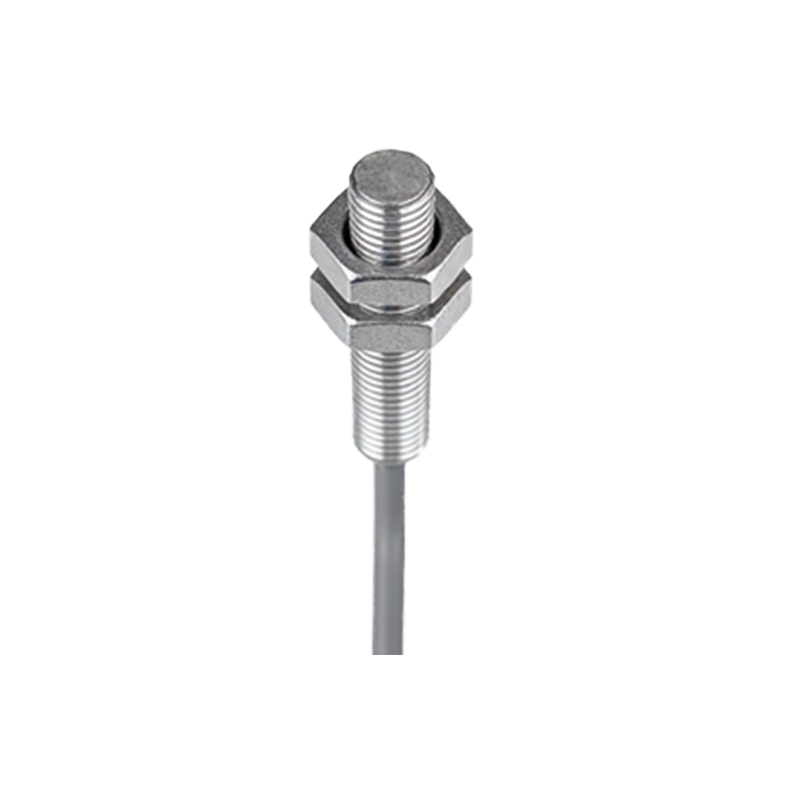
Introduction to Photoelectric Sensors
Photoelectric sensors are essential components in industrial automation, detecting the presence, absence, or distance of objects using light. They operate by emitting a beam of light, typically infrared or visible, and analyzing the reflected or interrupted signal. These sensors are widely used in packaging, manufacturing, and logistics due to their high reliability, long sensing range, and ability to detect a variety of materials, including metals, plastics, and glass. Understanding their working principles and types is crucial for optimizing system performance.
Types of Photoelectric Sensors
There are three main types of photoelectric sensors: through-beam, retro-reflective, and diffuse reflective. Through-beam sensors consist of a separate emitter and receiver, offering the longest range and highest accuracy but requiring alignment. Retro-reflective sensors use a reflector, balancing range and ease of installation. Diffuse reflective sensors detect objects by receiving reflected light from the target itself, ideal for short-range applications. Each type serves specific industrial needs, from conveyor belt monitoring to packaging line quality control.
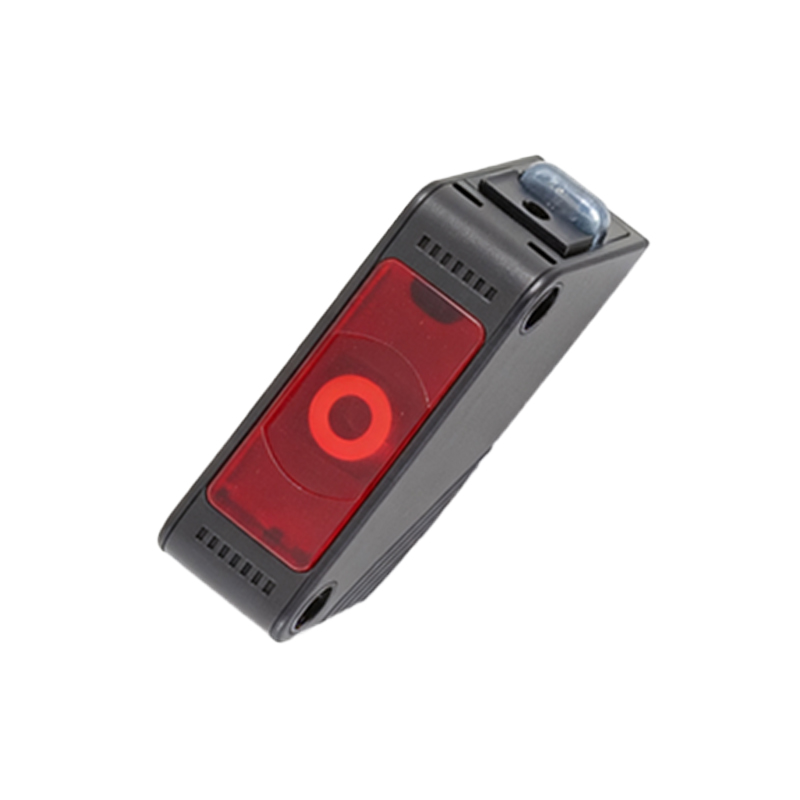
Key Features and Benefits
Photoelectric sensors offer numerous advantages, including non-contact detection, fast response times, and immunity to harsh environments like dust, moisture, or vibration. They support various output configurations, such as NPN, PNP, or analog, enabling seamless integration with PLCs and control systems. Many models feature adjustable sensitivity, background suppression, and fiber optic options for confined spaces. These features enhance operational efficiency, reduce downtime, and improve safety in automated processes.
Image Gallery Overview
Below is a curated image gallery showcasing popular photoelectric sensor models from leading brands like SICK, Omron, and Keyence. Each image highlights key design elements, such as compact housings, LED indicators, and mounting brackets. The gallery includes through-beam pairs, retro-reflective units with reflectors, and diffuse sensors with adjustable pots. These visuals help engineers quickly identify suitable sensors for specific applications, from food processing to automotive assembly lines.
Application Examples
Photoelectric sensors are deployed in diverse scenarios: detecting bottle caps on conveyors, verifying product height in packaging, and monitoring web tension in printing presses. In clean rooms, they ensure precise component placement without contact. They also excel in outdoor settings, like gate detection in parking lots, thanks to weatherproof designs. The gallery images illustrate these use cases, emphasizing sensor placement and alignment for optimal performance.
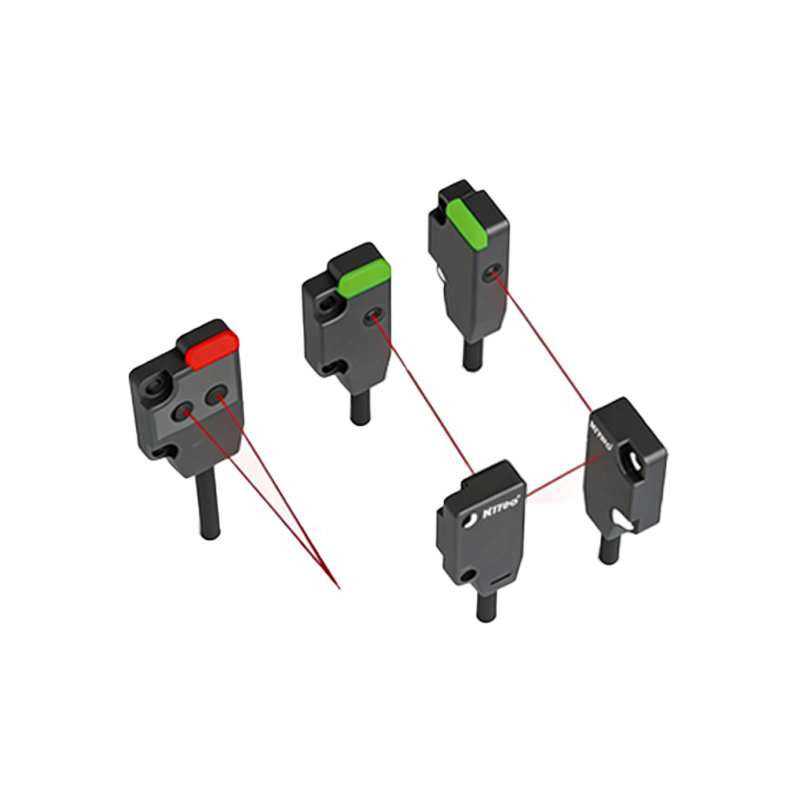
Selection Guide
When selecting a photoelectric sensor, consider factors like sensing distance, object material, ambient light conditions, and environmental factors. Through-beam sensors are ideal for long-range, clear-path detection. Retro-reflective sensors suit medium-range tasks with reflective targets. Diffuse sensors work best for short-range, transparent or dark objects. Reviewing the image gallery can aid in choosing the right form factor and mounting option, ensuring reliable operation in your specific industry setting.
Conclusion
Photoelectric sensors remain a cornerstone of modern automation, offering versatile and robust solutions for object detection. By understanding their types, features, and applications, engineers can enhance system design and troubleshooting. The accompanying image gallery serves as a practical reference, simplifying sensor selection and integration into complex industrial environments.