Introduction to CLS Photoelectric Sensors
CLS photoelectric sensors are a cornerstone of advanced industrial automation, offering reliable non-contact detection for a wide range of applications. Designed by leading sensor manufacturers, these devices utilize modulated light beams—typically infrared, visible red, or laser—to detect the presence, absence, or position of objects without physical contact. Their robust construction and high immunity to ambient light make them ideal for harsh manufacturing environments, including automotive assembly, packaging, and material handling. CLS sensors excel in scenarios where traditional limit switches fail due to wear, vibration, or contamination, ensuring consistent performance and minimal downtime.
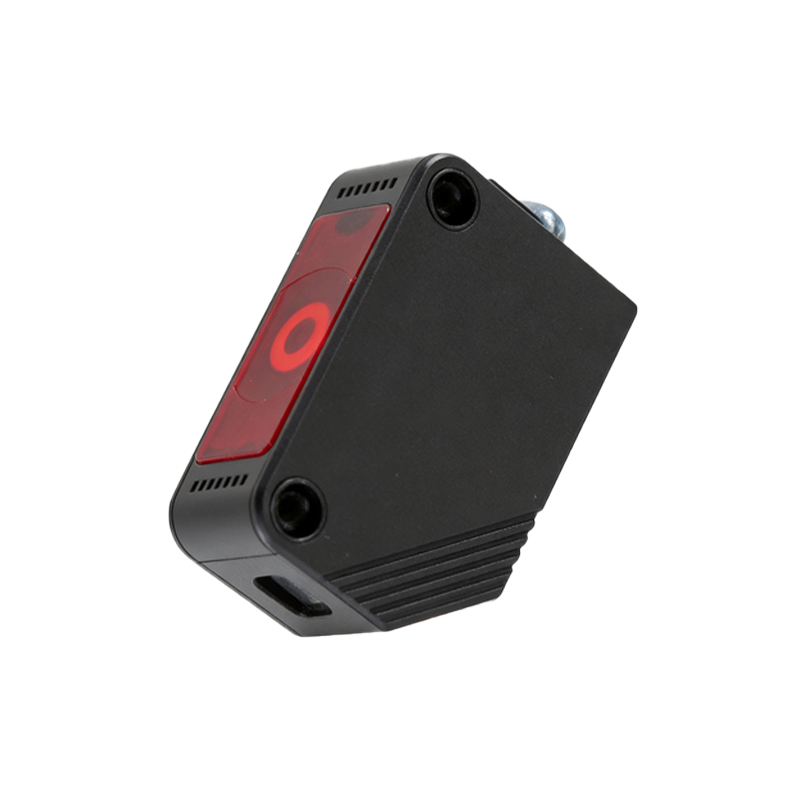
Operating Principles and Variants
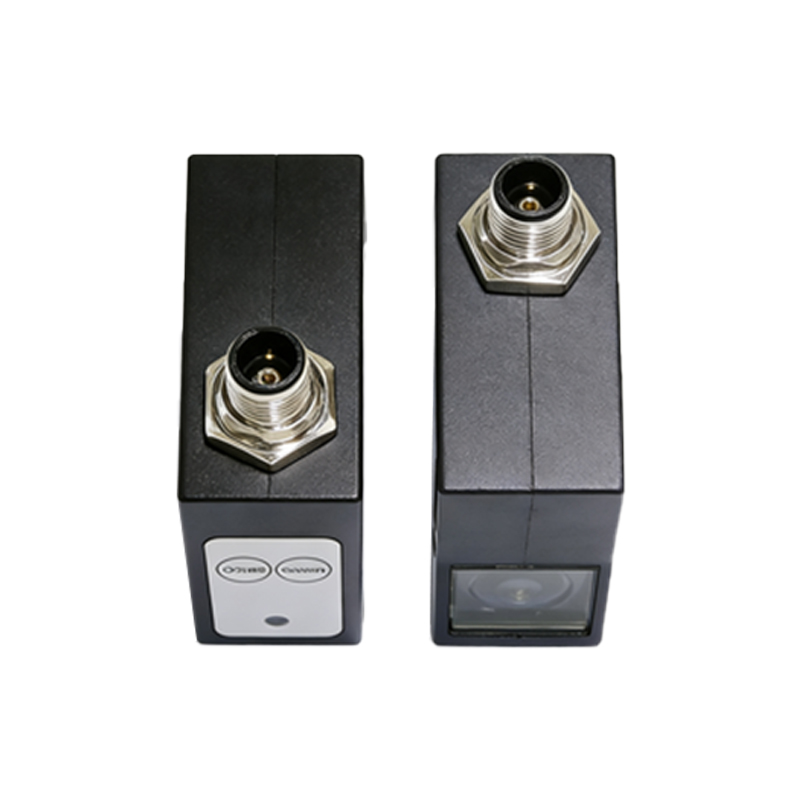
CLS sensors operate on three primary detection modes: through-beam, retro-reflective, and diffuse. In through-beam mode, the emitter and receiver are separate, providing the longest sensing range and highest reliability for transparent or opaque objects. Retro-reflective sensors incorporate an emitter and receiver in a single housing, using a reflector to bounce the beam back; they are effective for medium-range detection and can sense shiny surfaces. Diffuse sensors detect objects by the reflected light from the target itself, ideal for short-range applications with irregular or colored surfaces. Each variant offers adjustable sensitivity, response times, and output configurations (NPN, PNP, analog), allowing engineers to tailor solutions to specific production line needs.
Key Features and Technical Specifications
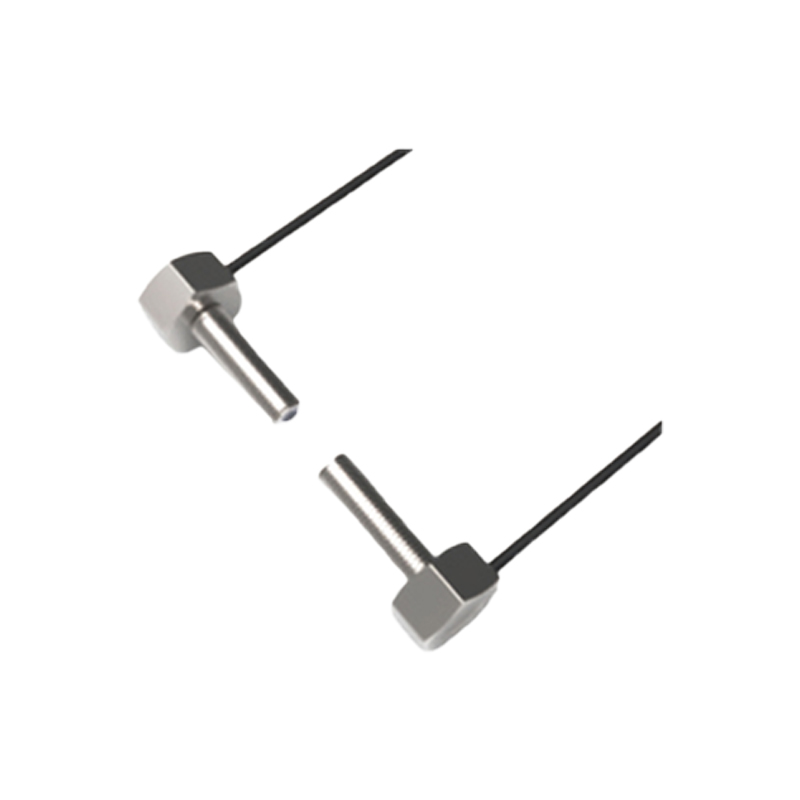
CLS sensors stand out due to their high switching frequency, often exceeding 1 kHz, enabling rapid detection in high-speed conveyor systems. They feature IP67 or higher ingress protection ratings, resisting dust, water, and coolant exposure. Many models include background suppression technology, which ignores objects beyond a set distance, preventing false triggers. Operating voltage ranges from 10 to 30 VDC, with current consumption as low as 20 mA. For demanding environments, laser-based CLS sensors achieve precise detection of sub-millimeter features, while fiber-optic accessories extend reach into confined spaces. Temperature stability from -25°C to +55°C ensures consistent operation in both cold storage and heated factory floors.
Installation, Calibration, and Troubleshooting
Proper installation is critical for optimal performance. Mount the sensor using stainless steel brackets to minimize vibration, and align the emitter and receiver within ±5 degrees for through-beam types. Calibration involves adjusting the potentiometer or using teach-in buttons to set the detection threshold; many CLS models offer a two-point teach process for transparent objects. Common issues include lens contamination—cleaning with a lint-free cloth and isopropyl alcohol resolves most sensitivity losses. For electrical noise interference, use shielded cables and separate sensor wiring from power lines. If the output remains stuck, check for voltage drops below 10 VDC or short circuits in the load. Advanced diagnostic LEDs on the sensor casing simplify real-time status verification, reducing mean time to repair.
Applications and Industry Benefits
In automotive manufacturing, CLS sensors monitor part presence on assembly lines, ensuring robot pick-and-place accuracy. Packaging industries leverage them for label detection, bottle counting, and seal verification. In logistics, they guide automated guided vehicles (AGVs) and detect pallet positions. The benefits include reduced maintenance costs (no contact parts to wear), improved throughput via faster detection cycles, and enhanced safety by eliminating mechanical contact. With fail-safe outputs and compliance to IEC 60947-5-2 standards, these sensors integrate seamlessly into PLC and fieldbus systems like Profinet or EtherNet/IP, supporting Industry 4.0 data collection for predictive maintenance.
Conclusion and Future Trends
CLS photoelectric sensors remain vital for achieving precision and reliability in industrial automation. As factories adopt smart manufacturing, newer models incorporate IO-Link communication for remote parameter adjustment and diagnostic data streaming. Future developments include miniaturized sensors for robotics, enhanced multi-mode detection for mixed materials, and AI-based self-calibration. Investing in CLS sensors today ensures scalable, adaptable automation solutions that evolve with production demands.