Overview of Photoelectric Sensing Technology
The FSV33 photoelectric sensor is a cutting-edge device widely used in industrial automation for object detection, positioning, and counting. It operates by emitting a beam of light, typically infrared or visible, and detecting changes in the received light intensity caused by the presence or absence of an object. This non-contact sensing method ensures high reliability and accuracy in harsh environments, such as dusty factories or wet processing lines. The FSV33 model is designed for long-range detection and robust performance, making it a preferred choice for conveyor systems, packaging machinery, and material handling equipment.
Core Components and Emitter-Receiver Architecture
The sensor consists of three primary components: a light emitter (usually an LED), a receiver (a photodiode or phototransistor), and a signal processing circuit. In the FSV33, the emitter generates a modulated light beam to minimize interference from ambient light sources. The receiver is aligned to capture this beam when no object is present. When an object interrupts or reflects the beam, the receiver detects a change in light intensity. This change is converted into an electrical signal, which the internal circuit amplifies and compares to a preset threshold. The output then triggers a switching action, such as turning on an alarm or stopping a motor.
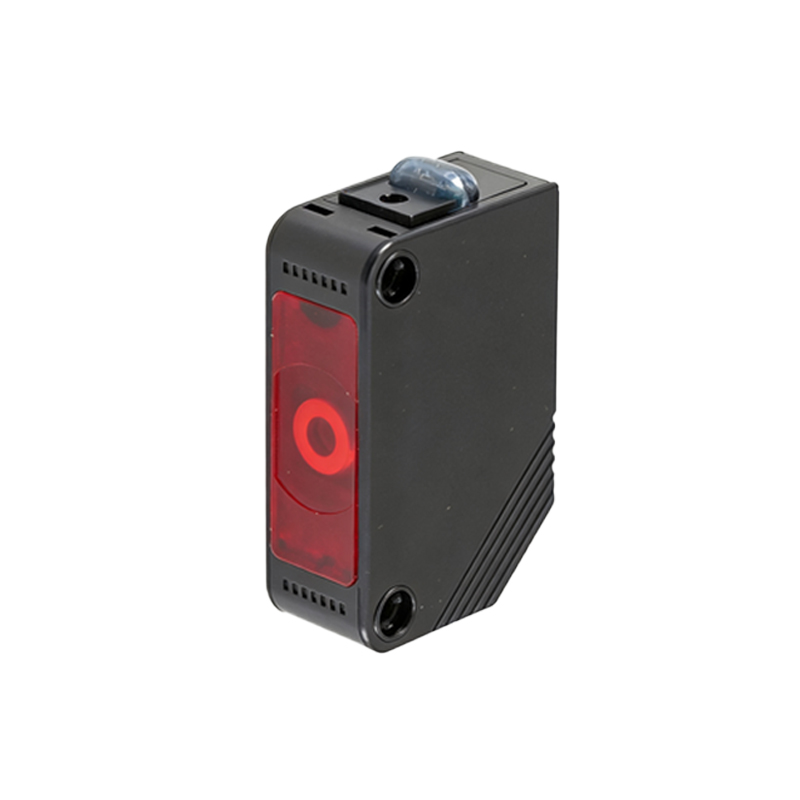
Operating Modes: Through-Beam, Retro-Reflective, and Diffuse
The FSV33 supports multiple operating modes to suit different applications. In through-beam mode, the emitter and receiver are separate units; the object breaks the beam between them, causing a detection. This mode offers the longest range and highest immunity to contamination. In retro-reflective mode, the emitter and receiver are housed together, and a reflector is placed opposite. The beam bounces back to the receiver; an object blocking the beam triggers detection. This is simpler to install. In diffuse mode, the sensor detects light reflected directly from the object itself. The FSV33 uses a high-gain receiver for this, allowing detection of dark or shiny surfaces at shorter distances.
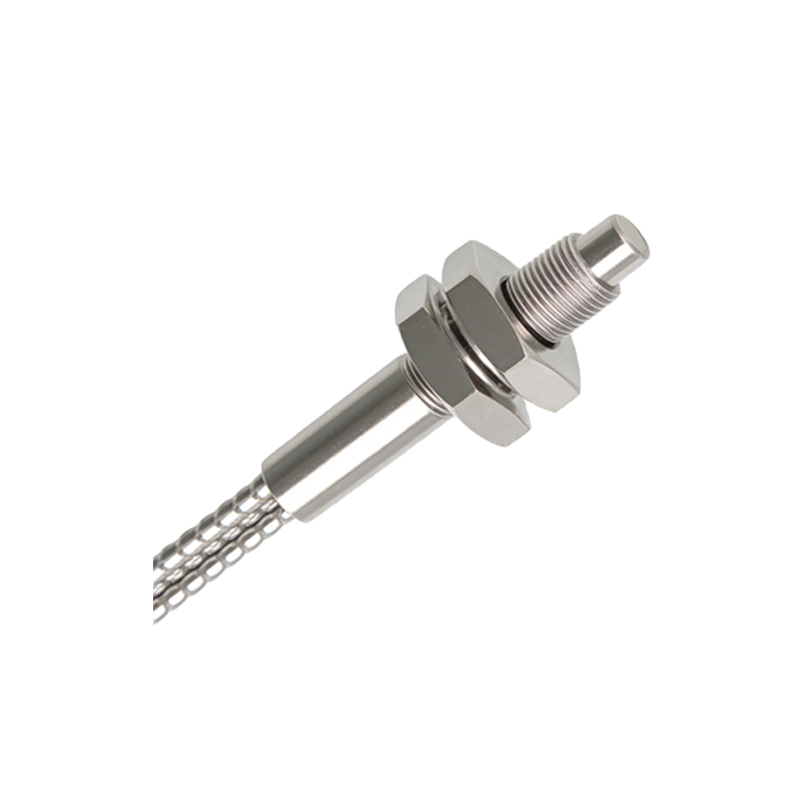
Modulation and Noise Rejection
To ensure stable operation in industrial settings, the FSV33 employs modulated light pulses. The emitter sends out a series of rapid on-off light signals, and the receiver is tuned to synchronize with this pattern. This technique effectively filters out interference from sunlight, fluorescent lamps, or other sensors. The internal circuitry uses a band-pass filter and phase-locked loop to lock onto the modulated signal. This gives the FSV33 high immunity to electromagnetic noise and false triggers, even in environments with heavy machinery or welding equipment.
Output Signal and Connectivity
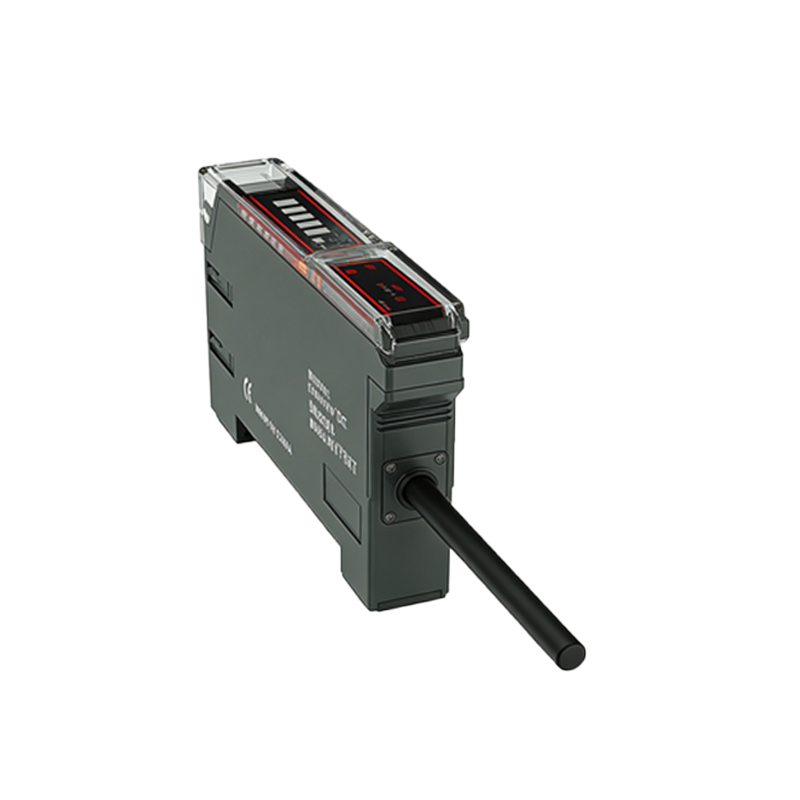
The FSV33 provides a digital output, typically in the form of an NPN or PNP transistor switch. When an object is detected, the output transitions from a normally open to a closed state, or vice versa, depending on the user's configuration. The sensor also includes a sensitivity adjustment potentiometer, allowing fine-tuning of the detection threshold for different object colors, sizes, or distances. The electrical connection is made through a standard M12 connector, compatible with most industrial PLCs and controllers. This ensures easy integration into existing automation systems without complex wiring.
Practical Applications and Maintenance Tips
Common applications of the FSV33 include detecting bottle caps on a filling line, counting boxes on a conveyor, and sensing metal brackets in automotive assembly. For best performance, keep the lens clean using a soft, lint-free cloth and avoid mounting near strong vibration sources. Regular calibration checks are recommended, especially after changing the target object or environmental conditions. With proper installation, the FSV33 can deliver millions of reliable detection cycles with minimal downtime, enhancing overall production efficiency.