Understanding Photoelectric Sensor Fundamentals
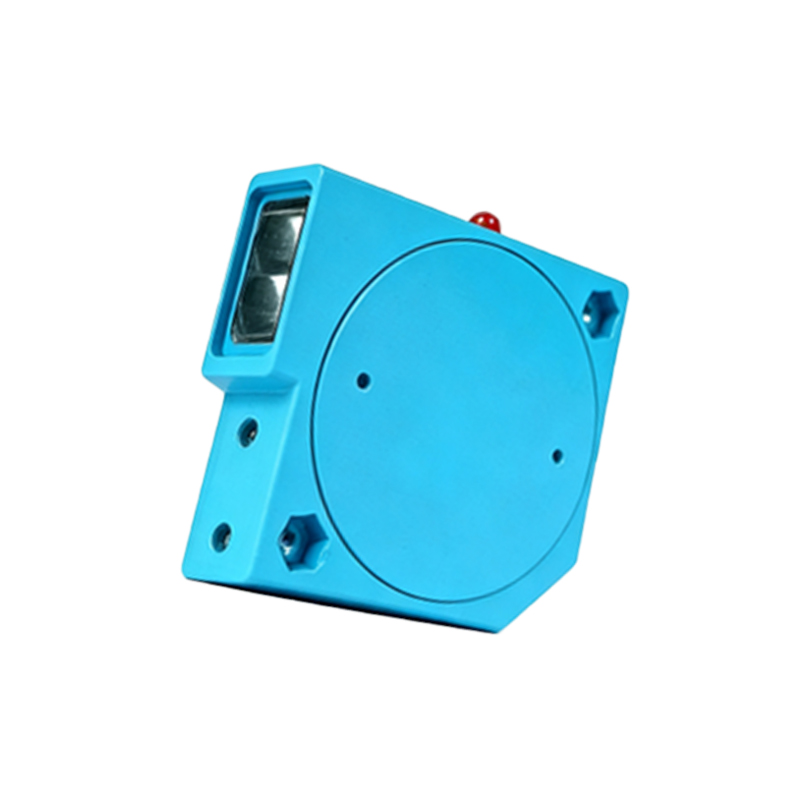
When sourcing photoelectric sensors, engineers must first grasp the core operating principles. These sensors use light to detect the presence, absence, or distance of objects. Key types include through-beam, retro-reflective, and diffuse reflective sensors. Through-beam models offer the longest range and highest reliability but require separate emitter and receiver units. Retro-reflective sensors use a reflector and are ideal for medium-range applications. Diffuse sensors detect reflected light from the target itself, making them suited for short-range tasks. Evaluate the application environment: ambient light interference, dust, moisture, and target surface reflectivity will dictate the optimal sensor type.
Defining Technical Specifications
Precise specification is critical for procurement success. Start by determining the sensing distance and response time required. For high-speed production lines, choose sensors with fast response times, typically under 1 millisecond. Consider the output type: NPN (sinking) or PNP (sourcing) configurations must match your PLC input modules. Analog outputs (e.g., 4-20 mA) are used for continuous position feedback. Also, review the wavelength of the emitted light: red laser (650 nm) is common for precision, while infrared is better for highly reflective surfaces. Ensure the sensor’s protection rating (IP67 or IP69K) matches the washdown or outdoor conditions.
Evaluating Environmental and Mechanical Factors
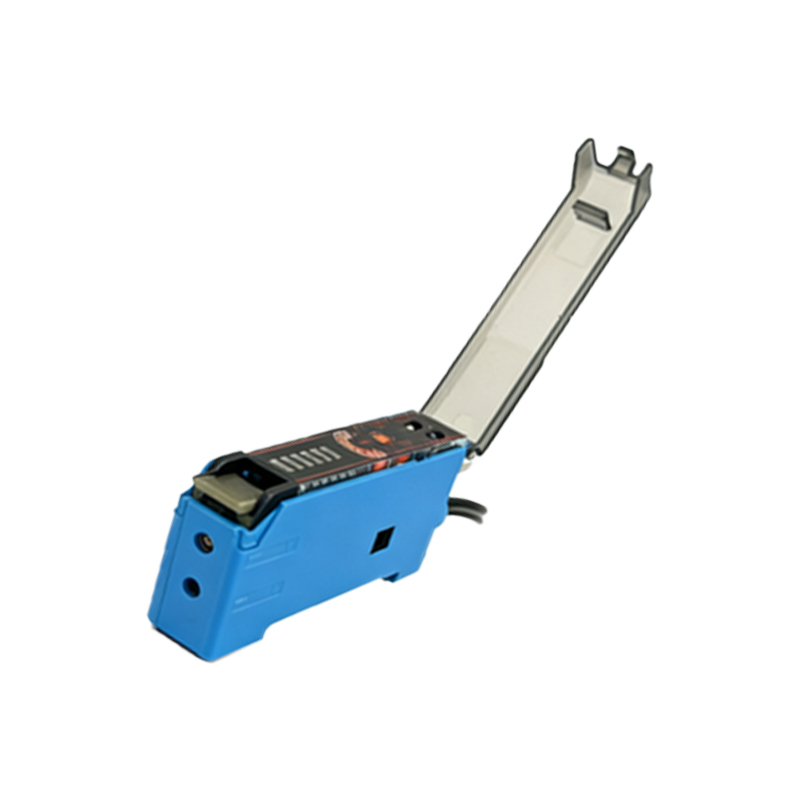
Robustness is non-negotiable in industrial settings. For sensors exposed to vibration, shock, or extreme temperatures, check the housing material (stainless steel, ABS, or glass-filled polycarbonate) and mounting options. In food processing or pharmaceutical industries, sensors must resist chemical cleaning agents. For outdoor or dusty environments, choose sensors with built-in decontamination features like air purge systems. Cable length and connector types (M8, M12, or pigtail) should align with your system layout to avoid signal degradation. Always request datasheets and validate performance under worst-case conditions.
Supplier Evaluation and Quality Assurance
Selecting a reliable supplier is as important as the sensor itself. Prioritize manufacturers with ISO 9001 certification and proven track records in your industry. Request samples for pilot testing on production lines to verify repeatability and accuracy. Check whether the supplier offers technical support, customization, and global warranty coverage. For large-scale procurement, negotiate volume discounts and lead times. Verify that the sensor complies with relevant standards (CE, UL, RoHS). Consider long-term availability to avoid obsolescence issues, especially for critical spares.
Cost Analysis and Total Ownership
The lowest purchase price rarely equates to best value. Calculate the total cost of ownership (TCO), including installation, calibration, maintenance, and replacement frequency. High-quality sensors often have longer lifespans and lower failure rates, reducing downtime costs. Compare pricing across multiple suppliers, but avoid sacrificing performance for savings. For complex applications, explore sensors with IO-Link connectivity, which enables remote configuration and diagnostics, albeit at a higher initial cost. Always factor in spare parts and consumables (e.g., reflectors) for long-term budgeting.
Testing and Validation Protocols
Before finalizing procurement, establish a testing protocol. Simulate real-world conditions: varying light levels, temperature extremes, and target material changes. Measure the sensor’s repeatability and hysteresis. For safety-critical systems, ensure the sensor meets SIL (Safety Integrity Level) requirements. Document test results and use them to refine your selection. If using multiple sensors in one area, verify no cross-talk interference occurs. Only after rigorous validation should you proceed to bulk orders.
Conclusion: Making the Final Decision
Successful photoelectric sensor procurement combines technical expertise with strategic sourcing. By systematically analyzing application needs, specifications, environmental factors, and supplier reliability, engineers can secure sensors that optimize performance and minimize lifecycle costs. Always stay updated on emerging technologies like smart sensors and Industry 4.0 compatibility. A well-executed procurement process ensures your automation systems operate reliably and efficiently.