Introduction to Photoelectric Sensors
Photoelectric sensors are essential components in modern industrial automation, utilizing light beams to detect the presence, absence, or distance of objects. These sensors convert light signals into electrical outputs, enabling precise control and monitoring in manufacturing processes. Among the various types, easy-to-operate photoelectric sensors have gained prominence for their user-friendly design and reliable performance, minimizing setup time and reducing the need for specialized training.
Key Features of Easy-to-Operate Photoelectric Sensors
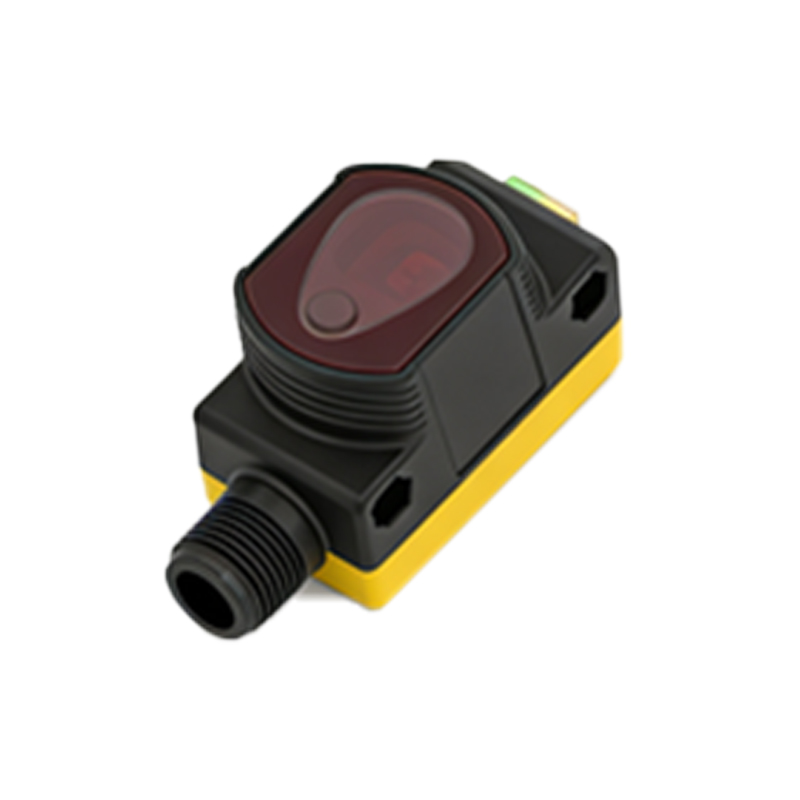
Easy-to-operate photoelectric sensors are characterized by simplified installation, intuitive adjustment mechanisms, and robust construction. They often feature plug-and-play connectivity, such as M12 connectors, and built-in indicator lights for real-time status feedback. Many models include one-touch teach-in functions or potentiometer controls, allowing technicians to set sensing thresholds without complex programming. Additionally, these sensors offer high immunity to ambient light and electrical noise, ensuring stable operation in harsh industrial environments.
Common Types and Their Applications
The main types include through-beam, retro-reflective, and diffuse reflective sensors. Through-beam sensors provide the longest detection range and are ideal for object counting in conveyor systems. Retro-reflective sensors use a reflector and are suitable for detecting transparent or shiny objects. Diffuse reflective sensors, which detect direct reflections from the target, are commonly used in packaging and material handling. Easy-to-operate variants of these types incorporate pre-aligned optics and auto-calibration features to simplify deployment.
Benefits in Industrial Settings
Implementing easy-to-operate photoelectric sensors reduces downtime and maintenance costs. Their straightforward setup allows rapid integration into existing lines, while durability against vibration, dust, and moisture extends service life. For example, in automotive assembly, these sensors detect components with high accuracy, and in food processing, they withstand washdown conditions. The intuitive interface also minimizes human error, enhancing overall equipment effectiveness (OEE).
Selection Criteria for Engineers
When selecting an easy-to-operate photoelectric sensor, consider factors such as sensing range, output type (NPN/PNP or IO-Link), and environmental ratings (IP67 or higher). Evaluate the target material and color, as well as background interference. For instance, sensors with visible red light aids alignment, while laser-based options offer precision for small objects. Always review the teach-in method to ensure compatibility with operator skill levels.
Future Trends and Innovations
The next generation of easy-to-operate photoelectric sensors will integrate smart connectivity via IO-Link and Bluetooth, enabling remote parameter adjustments and diagnostics. Advanced algorithms will improve performance in challenging conditions, such as detecting dark or angled targets. Additionally, miniaturization will allow installation in confined spaces, while energy-efficient designs support sustainable manufacturing. These innovations will further streamline automation processes.