Introduction to Reflective Photoelectric Sensors
Reflective photoelectric sensors are essential components in modern industrial automation, providing non-contact detection of objects by emitting light beams and analyzing the reflected signal. Unlike through-beam sensors that require separate emitter and receiver units, reflective sensors integrate both elements in a single housing, simplifying installation and reducing wiring complexity. These sensors are widely used in manufacturing lines, packaging systems, and logistics due to their reliability and cost-effectiveness. The key principle involves a light source, typically LED or laser, and a photodetector that senses changes in the intensity of reflected light when an object enters the detection zone.
How Reflective Photoelectric Sensors Work
The operational mechanism relies on the interaction between the emitted light and the target object. In a standard reflective sensor, the emitter sends out a continuous or pulsed light beam. When no object is present, the light either disperses or reflects off a background surface. Upon object detection, the reflected light intensity changes, triggering the receiver to switch the output state. This design is particularly effective for transparent, shiny, or irregular surfaces, as the sensor can be calibrated to ignore background reflections. Advanced models incorporate modulation techniques to filter out ambient light interference, ensuring stable performance in harsh industrial environments.
Types of Reflective Photoelectric Sensors
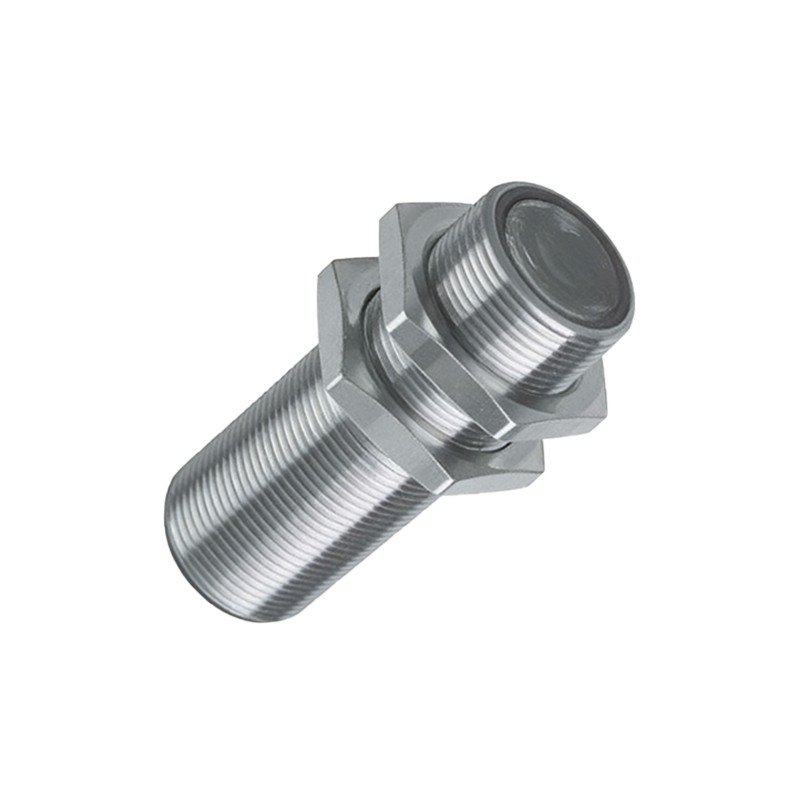
There are two primary categories: diffuse reflective sensors and retro-reflective sensors. Diffuse sensors detect objects by directly sensing reflected light from the target itself, making them ideal for short-range applications and irregular objects. Retro-reflective sensors use a reflector to bounce the beam back, allowing longer detection ranges and greater accuracy. Within these categories, variations include convergent beam sensors for precise spot detection, and polarized retro-reflective sensors to handle shiny surfaces. Selecting the correct type depends on factors such as object material, distance, and environmental conditions.
Key Technical Parameters and Selection Criteria
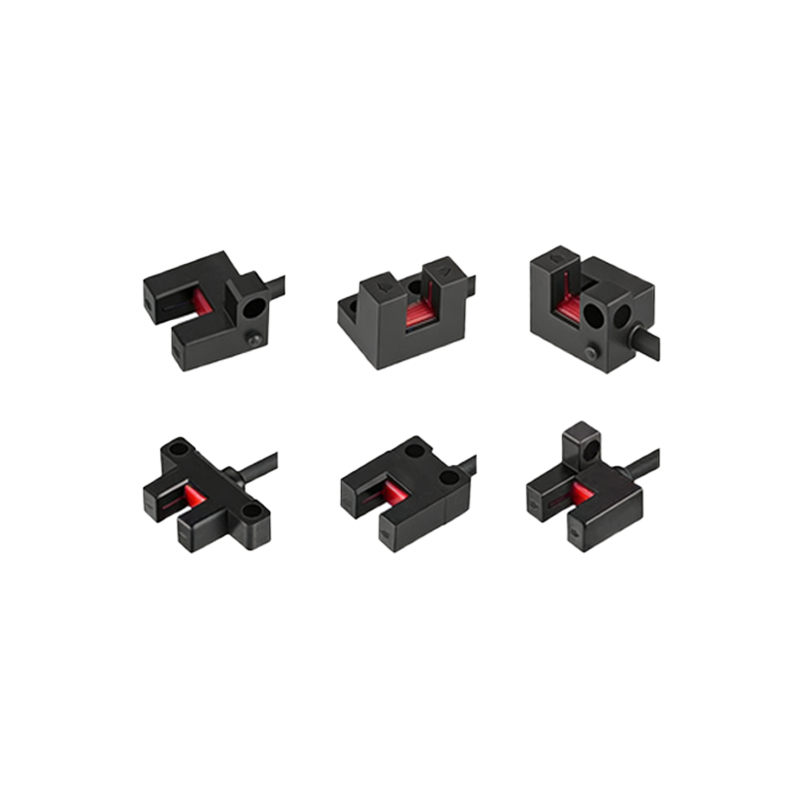
Engineers must consider several critical specifications when integrating reflective photoelectric sensors. Detection range varies from a few millimeters to several meters, with laser-based models offering the longest distances. Response time, often in microseconds, is crucial for high-speed applications. Output types include NPN/PNP transistors, analog signals, or IO-Link communication for smart factories. Environmental ratings like IP67 or IP69K ensure resistance to dust, moisture, and washdown processes. Additionally, sensing stability is influenced by background reflectivity, so sensors with adjustable gain or background suppression features are recommended for challenging surfaces.
Installation and Calibration Best Practices
Proper installation is vital for optimal sensor performance. Mounting should avoid direct sunlight or strong artificial light sources that cause false triggers. For retro-reflective models, align the sensor and reflector precisely to maintain a clear optical path. Calibration involves setting the sensitivity threshold using potentiometers or digital interfaces, often with a teach-in function. When detecting transparent objects, use polarized light to minimize false signals. Regular cleaning of the lens and reflector prevents dust accumulation, which can degrade sensitivity over time.
Common Applications in Industrial Automation
Reflective photoelectric sensors excel in diverse sectors. In packaging, they detect bottle presence and cap alignment on conveyor belts. Automotive assembly lines use them for part presence verification and robot arm positioning. Logistics warehouses rely on these sensors for bin level monitoring and pallet detection. In food processing, sealed optical systems withstand washdown environments while detecting product jams. Their versatility also extends to printing, textile, and semiconductor manufacturing, where precision non-contact sensing is paramount.
Troubleshooting and Maintenance Tips
Common issues include false triggering from reflective backgrounds or sensor misalignment. Solutions involve adjusting the mounting angle, using a sensor with background suppression, or adding a shield to block stray light. If the sensor fails to detect, check for power supply fluctuations, dirty optics, or degraded internal components. Periodic testing with a standard target verifies calibration. For high-vibration environments, use lock washers and flexible conduits to protect wiring. Always refer to the manufacturer's datasheet for specific diagnostic codes and replacement intervals.
Future Trends and Innovations
The evolution of reflective photoelectric sensors aligns with Industry 4.0 demands. New developments include miniaturized models for compact machinery, multi-pixel sensors for object profiling, and wireless connectivity for remote monitoring. Laser-based sensors with sub-millimeter accuracy are gaining traction in robotic vision systems. Integration with machine learning algorithms allows adaptive calibration for varying production speeds and object types. These innovations promise enhanced efficiency, reduced downtime, and smarter factory ecosystems.
Conclusion
Reflective photoelectric sensors remain a cornerstone of industrial sensing technology, offering non-contact, reliable detection for countless applications. By understanding their working principles, types, and selection criteria, engineers can optimize system design and operational performance. As automation advances, these sensors will continue to evolve, providing more intelligent and resilient solutions for the factory floor.