Overview of the E18 Photoelectric Sensor
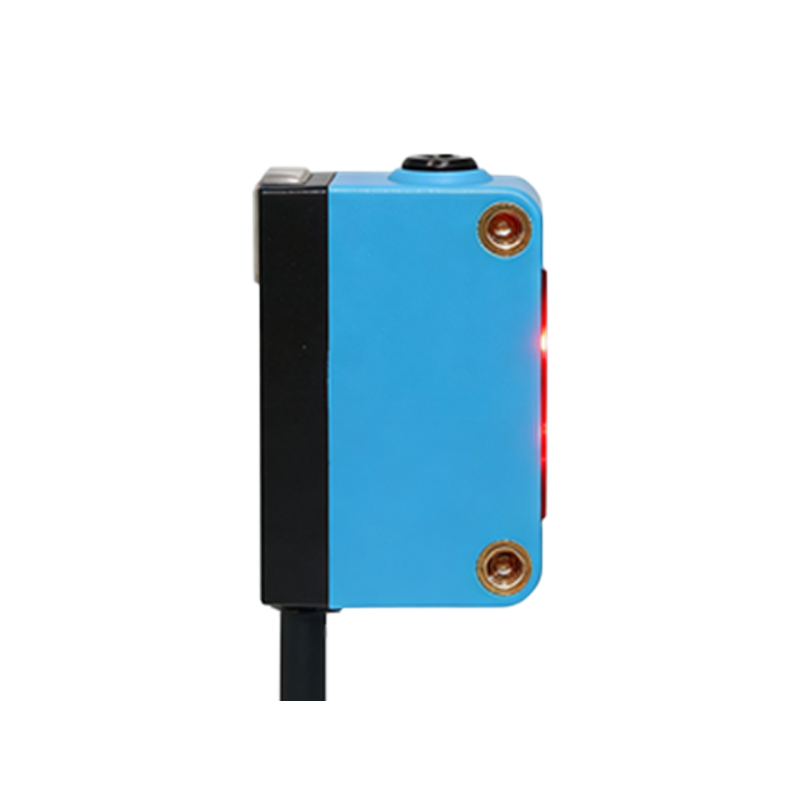
The E18 photoelectric sensor is a widely used industrial component designed for non-contact detection of objects, materials, and surfaces. It operates by emitting a beam of light, typically infrared or visible red, and detecting changes in the reflected or interrupted signal. This sensor is ideal for applications in packaging, conveyor systems, and material handling due to its reliability, compact size, and cost-effectiveness. Engineers often prefer the E18 series for its robust performance in harsh environments, including dust, moisture, and vibration.
Key Technical Specifications
The E18 sensor typically features a detection range of 10 to 30 centimeters, depending on the model and reflective surface. It operates on a DC voltage range of 10V to 30V, with a standard output of NPN or PNP transistor, compatible with most PLCs and controllers. The sensor uses a modulated infrared light source to minimize interference from ambient light. Response time is usually under 2 milliseconds, ensuring high-speed detection in automated lines. The housing is made of durable ABS plastic or metal, rated IP67 for water and dust resistance.
Working Principle and Detection Modes
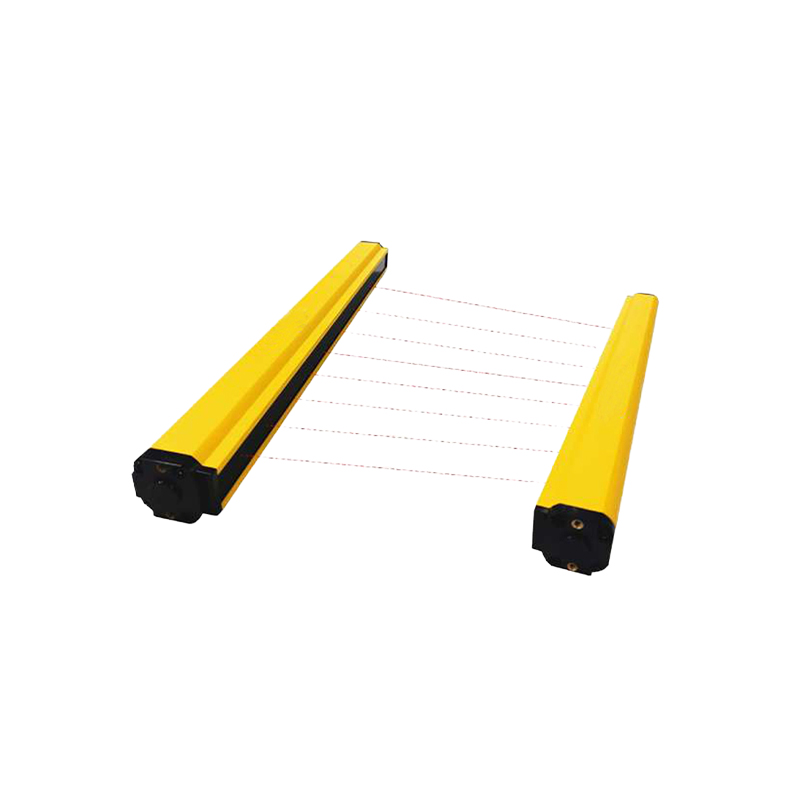
The E18 sensor can be configured in three detection modes: through-beam, retro-reflective, and diffuse reflection. In through-beam mode, the emitter and receiver are separate, providing the longest range but requiring alignment. Retro-reflective mode uses a reflector to bounce the beam back to the sensor, simplifying installation. Diffuse reflection mode relies on the target object itself to reflect the light, ideal for short-range detection of irregular shapes. The sensor includes an adjustable sensitivity potentiometer to fine-tune performance for different materials, such as plastic, metal, or cardboard.

Installation and Wiring Guidelines
Proper installation of the E18 sensor is critical for optimal performance. Mount the sensor using the provided bracket or M18 threaded barrel, ensuring a stable mechanical connection. For wiring, connect the brown wire to the positive DC supply, blue to ground, and black to the output signal. Use shielded cables for long runs to reduce electrical noise. Adjust the detection distance by turning the potentiometer while observing the LED indicator, which lights up when an object is detected. Avoid mounting near reflective surfaces that could cause false triggers.
Common Applications in Industry
The E18 photoelectric sensor is extensively used in factory automation for tasks like object counting, position detection, and pallet alignment. In packaging lines, it verifies that products are correctly placed before sealing. Conveyor systems rely on it to detect jams or overflow. In automotive assembly, it monitors part presence during robotic operations. The sensor's small size and low power consumption make it suitable for mobile robots and AGVs (Automated Guided Vehicles) for obstacle detection and navigation.
Advantages and Limitations
Key advantages of the E18 sensor include low cost, simple integration, and long service life. Its IP67 rating ensures operation in dusty or wet conditions. However, it has limitations in detecting transparent objects, such as glass or clear plastic, in diffuse mode. Additionally, the detection range is shorter compared to high-end laser sensors. Engineers should consider using a retro-reflective mode or specialized E18 models with polarized filters for such applications. Regular cleaning of the lens is necessary to maintain accuracy in dirty environments.
Troubleshooting and Maintenance Tips
Common issues with the E18 sensor include false detection, no output, or inconsistent readings. First, check the power supply voltage and wiring connections. If the sensor fails to detect, adjust the sensitivity potentiometer or clean the lens with a soft cloth. For false triggers, ensure the mounting surface is stable and there are no nearby reflective objects. If the LED remains off, the sensor may be damaged and require replacement. Perform routine inspections every 3-6 months to verify alignment and functionality.