Proximity sensors are ubiquitous in today's world, operating silently and efficiently to enhance safety, convenience, and automation. Unlike human senses, these electronic devices can detect the presence or absence of nearby objects without any physical contact. They achieve this by emitting a field or beam of electromagnetic radiation, such as infrared light, or by using an electrostatic or magnetic field, and then looking for changes in the field or return signal. The applications are vast and varied, touching nearly every aspect of modern life. Here are several concrete examples that illustrate their critical role.
In the automotive industry, proximity sensors are fundamental to advanced driver-assistance systems (ADAS). Ultrasonic sensors embedded in bumpers provide parking assistance, emitting high-frequency sound waves and measuring the time it takes for the echo to return. This calculates the distance to obstacles, alerting the driver with audible beeps that increase in frequency as the vehicle gets closer. More advanced systems use radar or LiDAR sensors for adaptive cruise control and collision avoidance, detecting vehicles ahead and automatically adjusting speed to maintain a safe following distance.
Smartphones represent one of the most common daily interactions with proximity sensing. A small infrared sensor located near the earpiece detects when the phone is held to the user's face during a call. Upon detection, it automatically turns off the touchscreen display to prevent accidental cheek-triggered inputs and conserves battery power. Similarly, many modern laptops use an IR sensor to detect when a user is present, waking the device from sleep mode and, conversely, locking it when the user walks away.
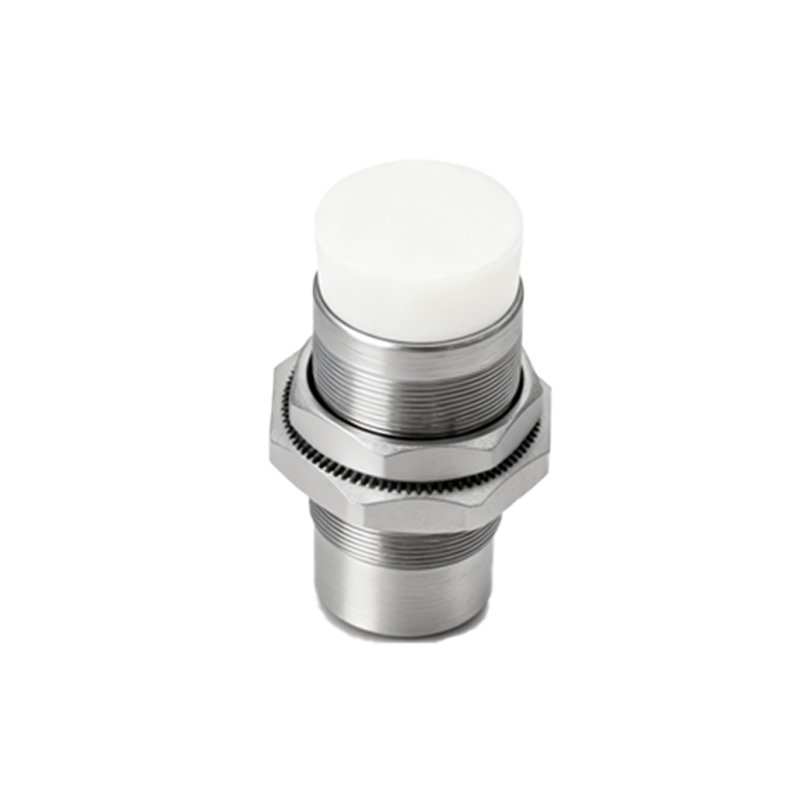
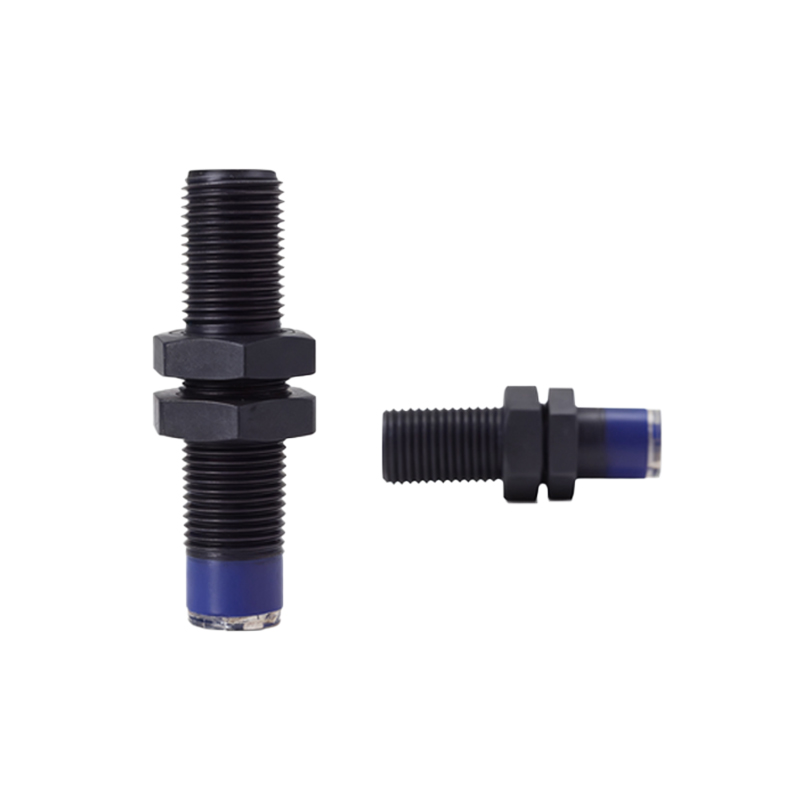
Industrial automation heavily relies on robust proximity sensors for process control and safety. Inductive proximity sensors, which detect metallic objects, are extensively used on assembly lines to count products, verify the position of machine parts, or confirm that a metal component is present before a robotic arm performs a task. Capacitive sensors can detect both metallic and non-metallic materials like glass, plastic, or liquids, making them ideal for monitoring fill levels in tanks or detecting the presence of bottles on a conveyor belt.
The realm of home appliances and smart homes is rich with examples. Automatic faucets and soap dispensers in public restrooms use infrared sensors to detect a hand underneath the spout, promoting hygiene and reducing water waste. Robot vacuum cleaners navigate rooms using a combination of infrared and bump sensors to avoid walls and furniture. In smart lighting systems, motion sensors (often based on passive infrared) turn lights on when someone enters a room and off after a period of inactivity, improving energy efficiency.
Retail and public spaces utilize proximity sensing for security and customer experience. The familiar beep at store entrances is often triggered by a sensor detecting a security tag. Interactive digital kiosks or advertising displays may use sensors to detect a person approaching and switch from a screensaver mode to an active, engaging interface. Automatic sliding doors at supermarkets and airports use microwave or infrared sensors to safely open as a person approaches.
Even in aerospace and aviation, proximity sensors ensure safety. They are used for landing gear position confirmation, detecting whether bay doors are fully closed, and monitoring clearance between moving parts. In healthcare, they enable touchless interfaces for equipment in sterile environments and are used in devices like infusion pumps to detect proper setup.
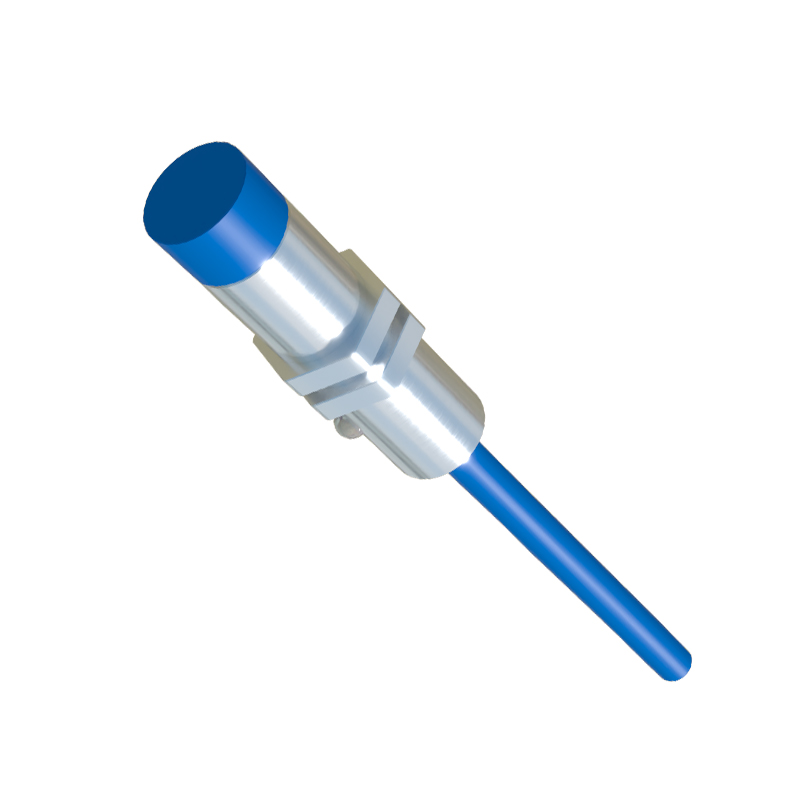
The underlying technology varies. Inductive sensors are ideal for metal detection in harsh industrial environments. Capacitive sensors handle diverse materials. Ultrasonic sensors excel at distance measurement and detecting transparent objects. Photoelectric sensors use light beams for longer ranges. The choice depends on factors like target material, required detection range, environmental conditions, and cost.
In conclusion, from the phone in your pocket to the car you drive and the factory that built it, proximity sensors are indispensable. They provide the essential "sense of touch" for machines, enabling automation, enhancing safety, and creating more intuitive interactions between humans and technology. As the Internet of Things and automation continue to expand, the applications for these versatile and reliable sensors will only grow more sophisticated and widespread.