Introduction to Photoelectric Sensors in Industry
Photoelectric sensors are fundamental components in modern industrial automation systems. They operate by using a light emitter and a receiver to detect the presence, absence, or distance of an object. These sensors offer non-contact detection, high speed, and reliability, making them ideal for harsh manufacturing environments. They are widely used in packaging lines, material handling, and quality control processes across various sectors like automotive, food and beverage, and electronics.
Operating Principles: Through-Beam, Retro-Reflective, and Diffuse
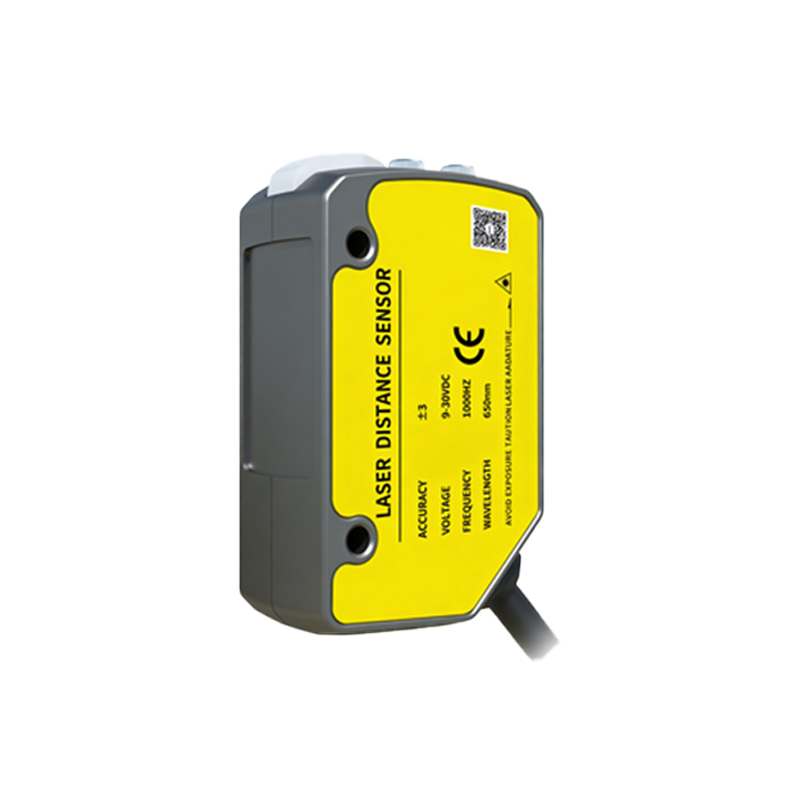
Understanding the different sensing modes is crucial for proper application. In through-beam sensors, the emitter and receiver are placed opposite each other; an object breaks the light path, triggering a signal. This offers the longest range and highest reliability but requires alignment. Retro-reflective sensors combine emitter and receiver in a single housing, using a reflector to bounce the beam back. They are easier to install and suitable for medium-range applications. Diffuse sensors also combine both components but rely on the object itself to reflect light back to the detector. These are ideal for short-range detection of transparent or shiny objects, though they are affected by surface color and texture.
Key Applications in Assembly and Packaging Lines
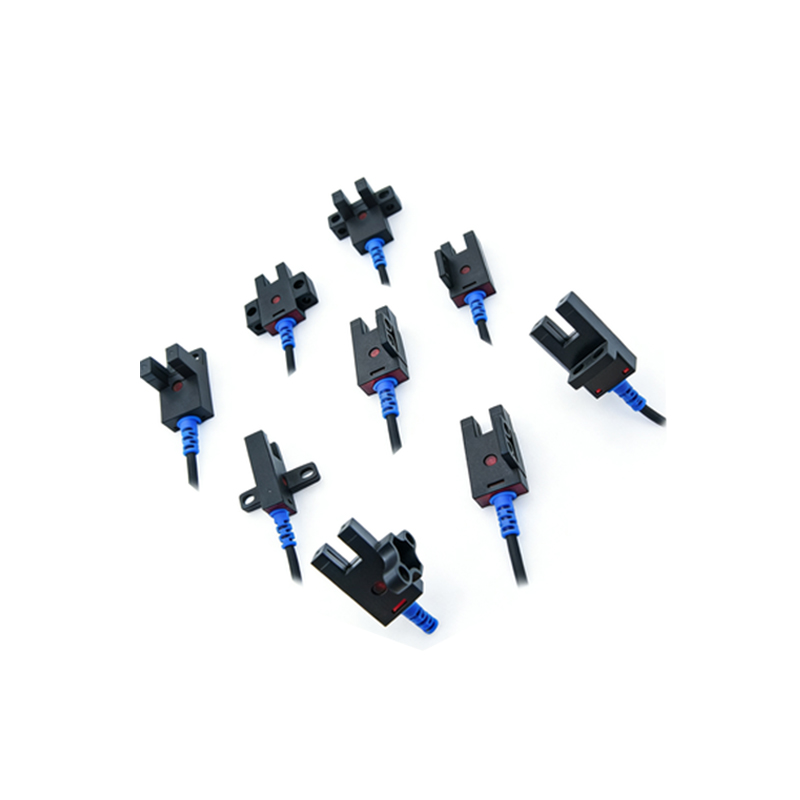
In assembly lines, photoelectric sensors ensure precise part presence and orientation. For instance, in automotive manufacturing, they verify the correct placement of components like bolts, clips, or electronic modules before the next assembly step. In packaging lines, these sensors count products, detect label presence, and ensure proper sealing. Through-beam sensors excel at detecting small parts at high speeds, while diffuse sensors are often used to confirm the presence of bottles or cartons on conveyor belts, even when they are transparent or have varying colors.
Material Handling and Logistics Integration
Warehouse and logistics operations rely heavily on photoelectric sensors for automated guided vehicles (AGVs) and conveyor systems. They detect pallets, boxes, and totes, triggering sorting mechanisms or stopping conveyors to prevent collisions. Long-range through-beam sensors are used at entry and exit points to monitor traffic, while retro-reflective sensors are common in vertical lift modules and storage systems. Their ability to function in dusty or low-light conditions makes them a robust choice for large distribution centers.
Quality Control and Inspection Tasks
In quality assurance, photoelectric sensors perform high-speed inspection tasks. They can detect missing components, incorrect fill levels, or surface defects. For example, in the pharmaceutical industry, a diffuse sensor with a focused beam can verify that a cap is properly placed on a vial. In the food industry, through-beam sensors ensure that packages are sealed correctly and that no foreign objects are present. These sensors often work in conjunction with vision systems to provide real-time feedback, reducing waste and improving product consistency.
Environmental Challenges and Sensor Selection
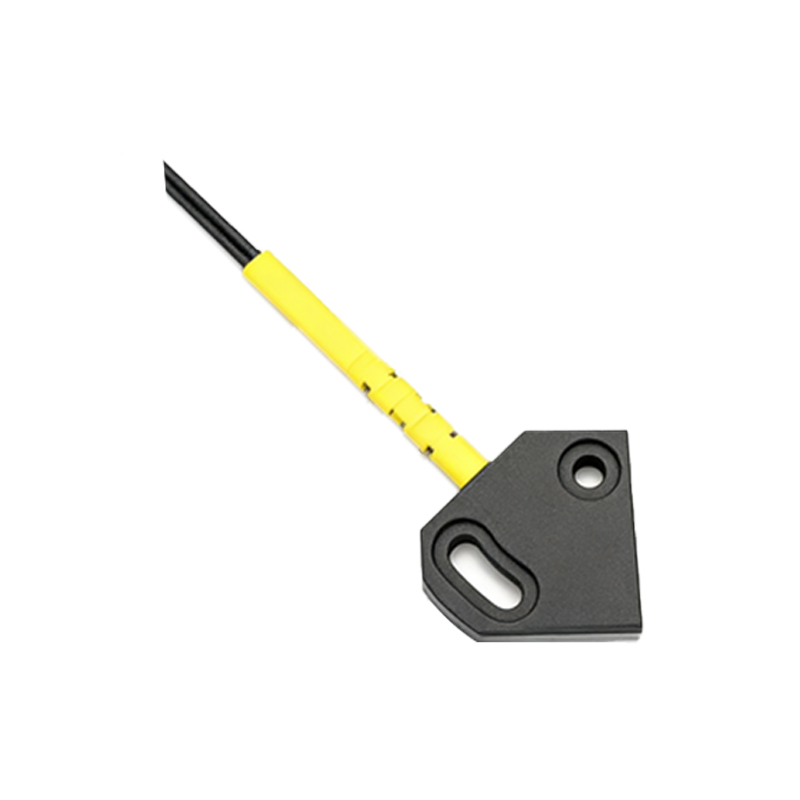
The industrial environment presents challenges like dust, moisture, vibration, and extreme temperatures. Selecting the right photoelectric sensor involves considering the IP rating, ambient light immunity, and response time. For wet or washdown areas, sensors with IP67 or higher protection are necessary. For high-temperature applications near ovens or furnaces, specialized sensors with fiber optic cables are used. Additionally, sensors with background suppression are recommended for applications with shiny or reflective backgrounds to avoid false triggering.
Trends: Smart Sensors and Industry 4.0 Integration
Modern photoelectric sensors are evolving into smart devices with IO-Link communication. This allows them to transmit diagnostic data, such as signal strength, temperature, and maintenance alerts, to a central control system. This integration supports predictive maintenance and remote troubleshooting, reducing downtime. As Industry 4.0 advances, sensors are becoming more compact, energy-efficient, and capable of multi-sensing, enabling more flexible and intelligent automation solutions.