Factors Influencing Photoelectric Sensor Prices
As an electrical engineer in the automation industry, I often encounter questions about the cost of photoelectric sensors. The price range varies significantly based on key factors: sensing technology, detection range, output type, and environmental protection rating. Basic through-beam sensors start at around $20 to $50, while advanced models with IO-Link communication can exceed $500. The sensing principle—through-beam, retro-reflective, or diffuse—directly impacts cost, with through-beam offering longest range but higher installation complexity. Additionally, sensors with IP67 or IP69K ratings for harsh environments command premium prices due to robust housings and specialized optics.
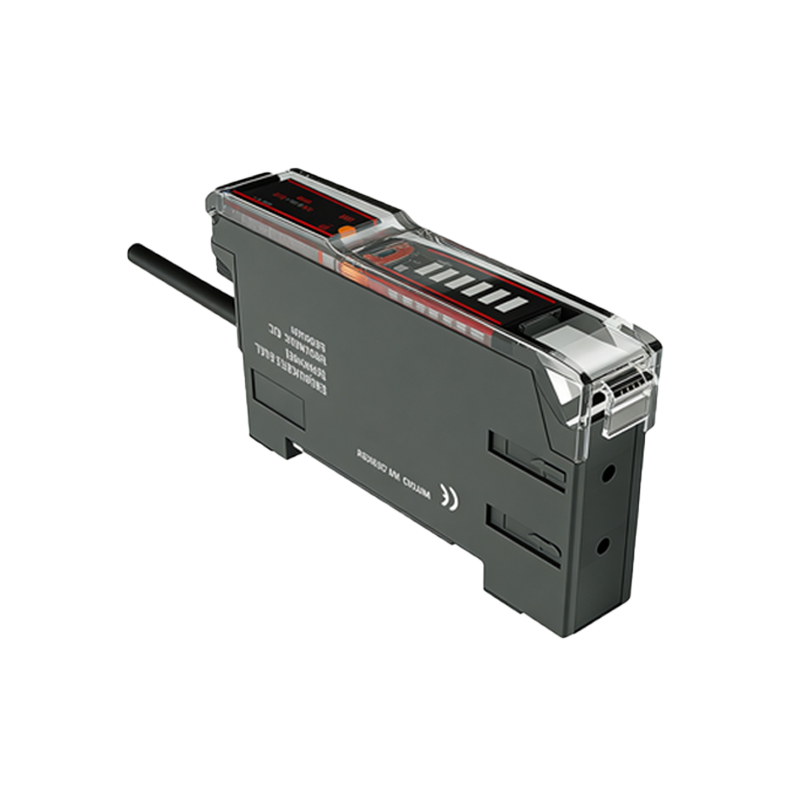
Entry-Level Sensors: Budget-Friendly Options
For simple detection tasks in controlled environments, entry-level photoelectric sensors are available from $15 to $80. These typically feature short sensing ranges (up to 2 meters), LED indicators, and basic NPN or PNP outputs. Brands like Omron E3Z series or Banner QS18 offer reliable performance for conveyor monitoring or part presence detection. However, these sensors lack advanced features such as background suppression or adjustable sensitivity, making them suitable for non-critical applications where precision is secondary.
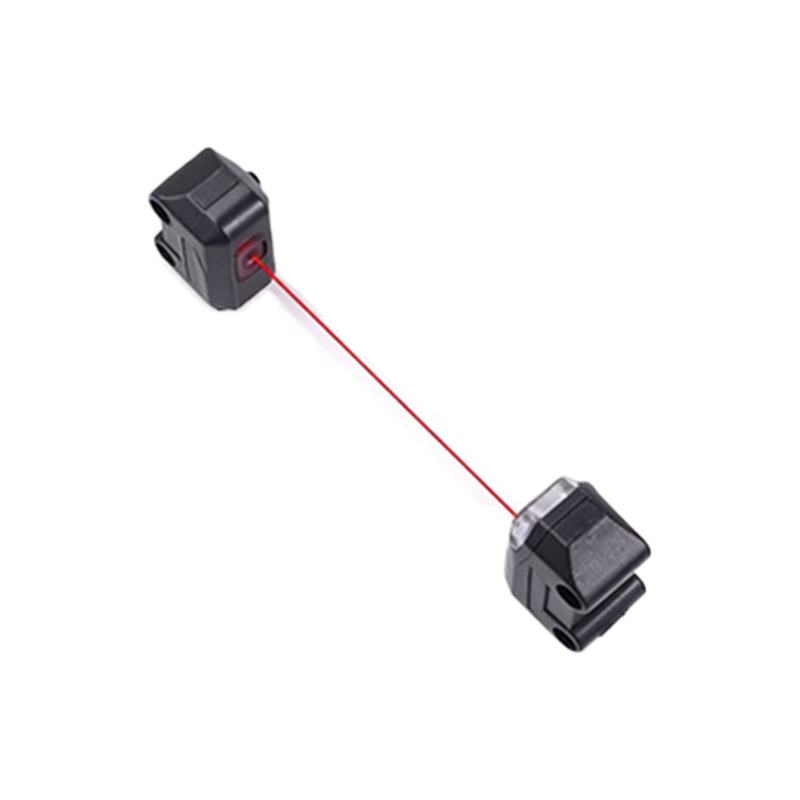
Mid-Range Sensors: Best for General Automation
Mid-range photoelectric sensors, priced between $80 and $300, dominate industrial automation. They offer enhanced features like adjustable sensing ranges (up to 20 meters), background suppression for reliable detection on shiny surfaces, and multiple output configurations. The SICK WL12 series and Keyence PZ-G models exemplify this tier, providing IP67 protection and response times under 1 ms. These sensors are ideal for packaging lines, material handling, and robotic cells where reliability and cost-efficiency balance is critical.
High-End Sensors: Specialized and Precision Applications
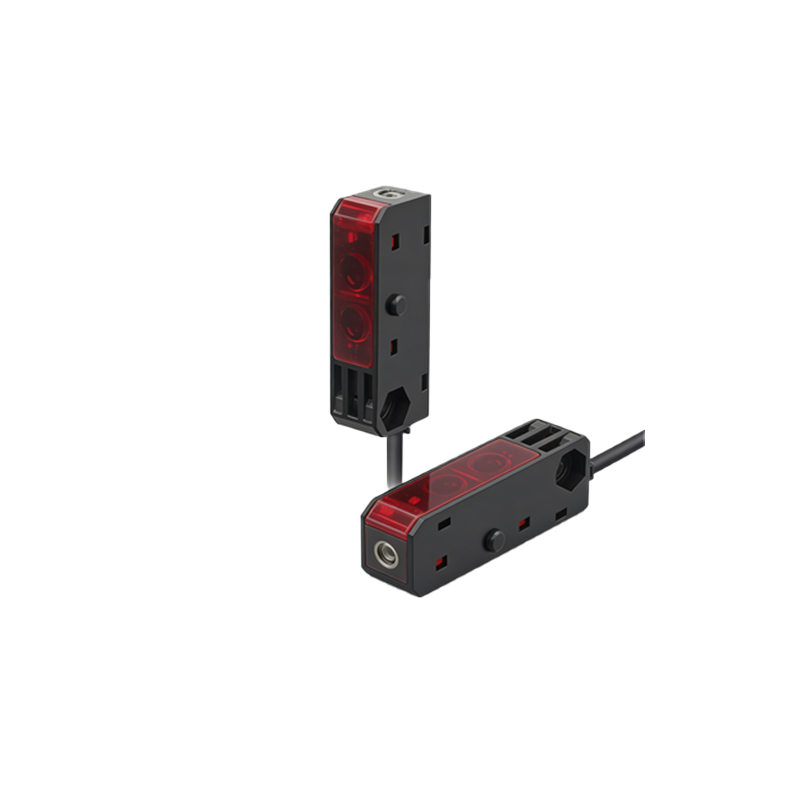
At the upper end, prices range from $300 to over $1,000 for photoelectric sensors with extreme precision, long ranges (over 50 meters), or specialized capabilities. These include laser-based sensors for sub-millimeter accuracy, fiber optic models for tight spaces, and sensors with analog outputs or IO-Link for Industry 4.0 integration. Examples include the Banner Q4X series for harsh washdown environments and the Baumer O300 with FlexProgram technology. Such sensors are essential in pharmaceutical filling, semiconductor manufacturing, or automotive assembly where downtime costs far exceed sensor price.
Tips for Selecting Cost-Effective Sensors
From my engineering experience, selecting the right sensor involves analyzing the application requirements first. For simple presence detection, a $30 diffuse sensor may suffice. However, for long-range or high-speed applications, investing in a $200 retro-reflective sensor with background suppression prevents false triggers. Always consider total lifecycle cost including installation, maintenance, and potential downtime. Purchasing from authorized distributors ensures warranty support, but generic alternatives from Asian manufacturers can reduce costs by 30-50% for non-critical tasks. Ultimately, matching sensor specifications to real-world conditions—not just budget—optimizes both performance and expense.