Introduction to the 831 Speed Measurement Photoelectric Sensor
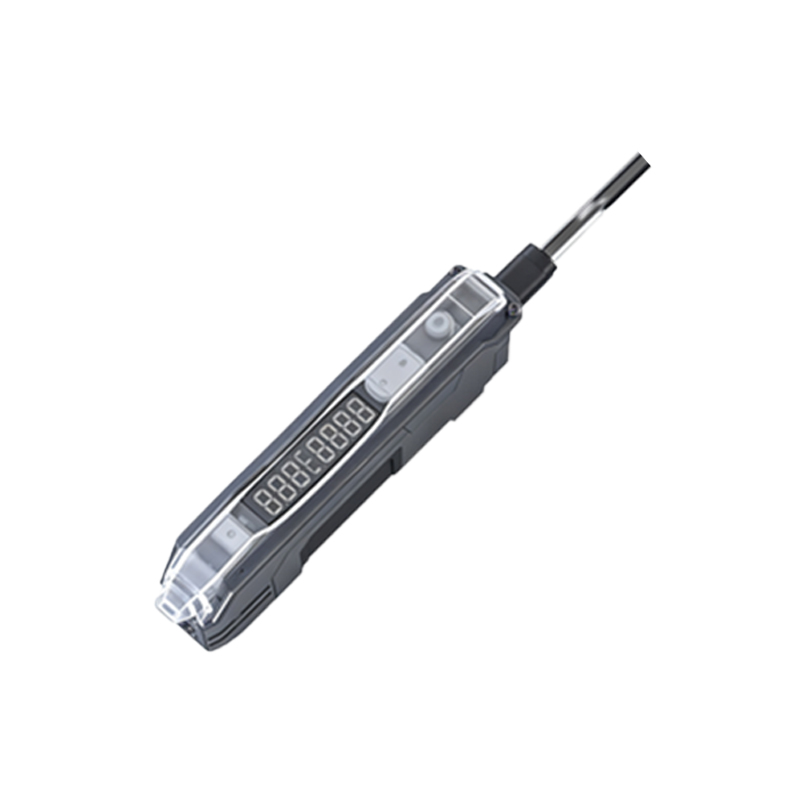
The 831 speed measurement photoelectric sensor is a critical component in modern industrial automation systems, designed for precise rotational speed and linear velocity monitoring. Built with robust optoelectronic technology, this sensor offers high accuracy, fast response times, and reliable performance in harsh manufacturing environments. Its compact housing and versatile mounting options make it suitable for conveyor belts, motor shafts, and turbine applications. Engineers often rely on the 831 model for its ability to operate under extreme temperatures and vibration conditions, ensuring minimal downtime in production lines.
Key Technical Specifications and Performance Metrics
The 831 sensor features a detection range of 0.1 to 50 kHz with a resolution of 0.01 Hz, supporting both NPN and PNP output configurations. It operates on a supply voltage of 10–30 VDC and consumes less than 20 mA current. The sensor utilizes a red LED light source with wavelength 660 nm, providing consistent signal strength even in dusty or low-light environments. Its protective rating of IP67 ensures resistance to water and dust ingress, while the operating temperature range spans from -25°C to +70°C. For compatibility with PLCs and frequency converters, the output signal is adjustable for pulse width and frequency scaling.
Installation and Wiring Best Practices
Proper installation is crucial for maximizing the 831 sensor’s accuracy. Mount the sensor at a distance of 2–10 mm from the target surface, ensuring the reflective tape or wheel has a clean, non-gloss finish. Use shielded twisted-pair cables to minimize electromagnetic interference from nearby motors or drives. Connect the brown wire to +VDC, blue to ground, and black to the signal input of the controller. For dual-output models, the white wire provides a second channel for direction detection. It is recommended to install a surge suppressor diode across the load when switching inductive loads.
Applications in Industrial Automation Systems
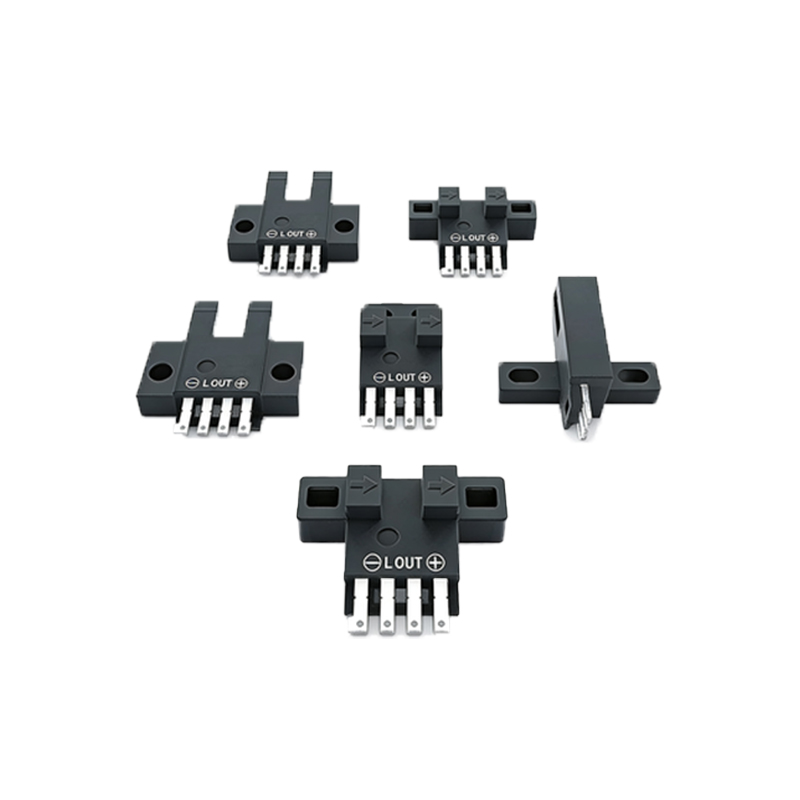
The 831 sensor excels in applications requiring non-contact speed measurement. In packaging lines, it monitors conveyor belt velocity to synchronize product flow with labeling machines. For motor drives, it provides feedback for closed-loop speed control in CNC machines and robotic arms. In wind turbines, the sensor tracks rotor RPM to optimize power generation. Additionally, it is used in textile machinery for yarn tension control and in automotive testing for wheel speed measurement. Its ability to detect speeds up to 3000 RPM makes it ideal for high-speed manufacturing processes.
Troubleshooting Common Issues and Maintenance Tips
Operational issues often stem from misalignment or contamination. If the sensor fails to detect targets, check for debris on the lens using a lint-free cloth and isopropyl alcohol. Verify that the target surface has sufficient reflectivity (minimum 90% for standard models). Inconsistent readings may indicate voltage drops; ensure the power supply delivers stable 24 VDC with less than 10% ripple. For intermittent signals, inspect cable connections for corrosion or breakage. Regular calibration every 6 months using a known frequency source can maintain accuracy. Replace the sensor if the signal-to-noise ratio drops below 3:1.
Comparison with Alternative Speed Sensors
Compared to magnetic Hall-effect sensors, the 831 photoelectric variant offers faster response times and can handle non-metallic targets. Unlike inductive proximity sensors, it measures speed without requiring ferrous materials. However, it is more sensitive to ambient light interference than laser-based sensors. For budget-sensitive projects, the 831 provides a cost-effective balance between precision and durability. Engineers should consider the 831 when the application demands remote mounting and resistance to oil or coolant exposure, which are common in machining centers.
Future Trends and Integration with IoT Systems
The 831 sensor is evolving to include IO-Link communication for real-time data exchange with Industry 4.0 platforms. Future iterations may incorporate embedded microprocessors for adaptive threshold adjustment and predictive maintenance alerts. Integration with edge computing devices allows for remote monitoring of equipment health via OPC UA protocols. As manufacturers push for higher uptime, the 831 sensor’s role in condition monitoring and energy optimization will expand. Siemens and Rockwell Automation currently offer plug-and-play modules that interface with the 831 for seamless IIoT deployment.