Introduction to Through-Beam Photoelectric Sensors
A through-beam photoelectric sensor consists of two separate units: a transmitter and a receiver. The transmitter emits a continuous beam of light, typically infrared or visible red, directly toward the receiver. When an object interrupts this light path, the sensor detects the change in received light intensity and triggers an output signal. This configuration offers the longest sensing range and highest immunity to ambient light, dust, and dirt compared to other photoelectric sensing methods. Understanding the pinout diagram is essential for proper wiring and integration into industrial control systems.
Standard Pin Assignments for a Three-Wire DC Sensor
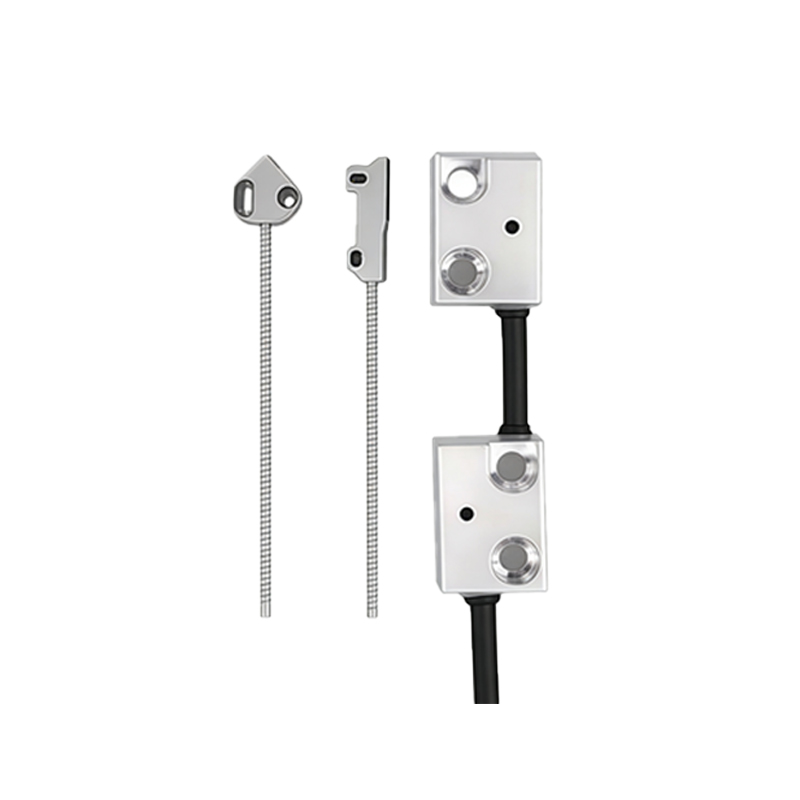
Most industrial through-beam sensors use a three-wire DC configuration. The typical pinout includes:
- Pin 1 (Brown): Positive power supply (usually 10-30 VDC).
- Pin 2 (Blue): Negative power supply (ground, 0 V).
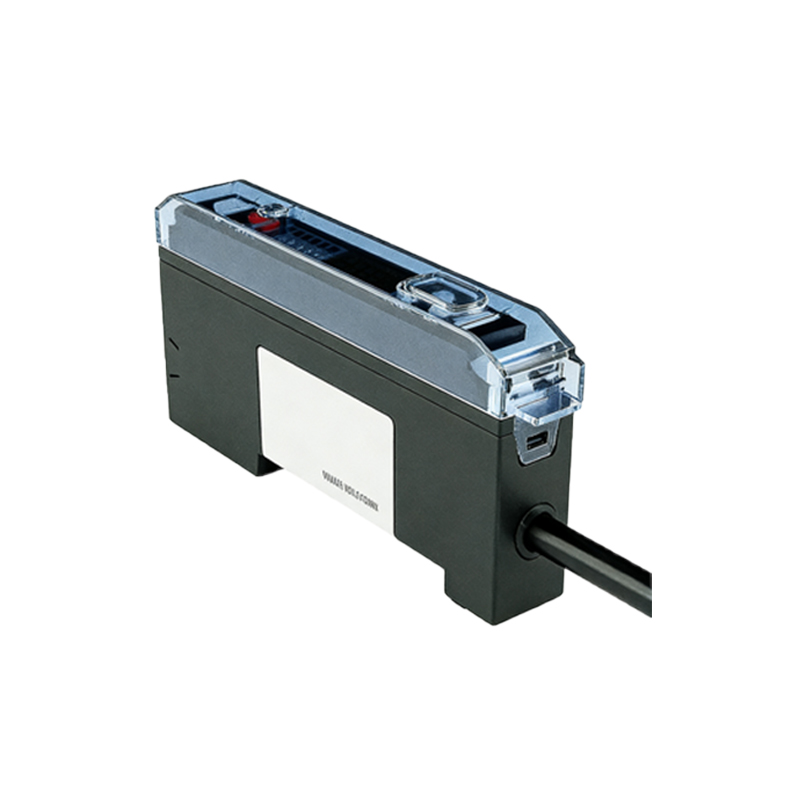
- Pin 3 (Black): Output signal (NPN or PNP, depending on the sensor model).
For NPN (sinking) output, the black wire switches to ground when an object is detected. For PNP (sourcing) output, the black wire switches to the positive supply voltage. Always verify the sensor’s datasheet, as some manufacturers may swap output logic.
Four-Wire and Five-Wire Configurations
Advanced sensors may include additional wires for functions like alarm output, test input, or complementary outputs. A four-wire sensor often adds a white wire for a normally open (NO) or normally closed (NC) output selection. A five-wire sensor might have separate NO and NC outputs, plus a connection for synchronization in multi-sensor arrays. The pinout for these is:
- Brown: V+
- Blue: V
- Black: NO output
- White: NC output
- Gray: Test or synchronization input
These extra pins allow for more flexible integration into PLCs and safety circuits.
AC-Powered Through-Beam Sensors
For applications requiring higher power or longer distances, AC-powered sensors are available. Their pinout typically includes two wires for the AC supply (Line and Neutral) and one or two output wires. The output is often a relay contact, so the wire colors are:
- Brown: AC Line (L)
- Blue: AC Neutral (N)
- Black: Normally open relay contact
- White: Normally closed relay contact (if present)
Ensure the relay rating matches the load, and consider using a snubber circuit for inductive loads to protect the relay contacts.
Wiring Tips for Reliable Operation
Proper wiring is crucial for sensor performance. Use shielded cables for long runs to minimize electromagnetic interference. Connect the shield to the ground terminal at the controller end only to avoid ground loops. For DC sensors, maintain a stable power supply within the specified voltage range, and avoid sharing the same power line with high-current motors or solenoids. Always double-check the pinout against the sensor’s datasheet before powering up, as incorrect wiring can damage the sensor.
Common Pinout Standards and Color Codes
While the brown-blue-black scheme is widely used, some European and Asian manufacturers follow different conventions. For example, a sensor with an M12 connector may use:
- Pin 1: Brown (V+)
- Pin 2: White (N/C or test)
- Pin 3: Blue (V-)
- Pin 4: Black (output)
Refer to IEC 60947-5-2 for standard color codes. If the sensor has a custom connector, always trace the wires back to the manufacturer’s wiring diagram to avoid misconnection.
Conclusion
Mastering the pinout diagram of a through-beam photoelectric sensor ensures correct installation and reliable operation in automated systems. Whether you are working with a simple three-wire DC sensor or a complex five-wire AC model, always prioritize checking the datasheet and following industry-standard wiring practices. This attention to detail minimizes downtime and extends sensor life in harsh industrial environments.