Introduction to Open-Type Photoelectric Sensors
Open-type photoelectric sensors, also known as through-beam or slot-type sensors, are critical components in industrial automation. They consist of a separate emitter and receiver, allowing unobstructed detection of objects within a defined gap. These sensors offer high accuracy, long sensing distances, and immunity to ambient light, making them ideal for harsh environments. In 2024, leading brands continue to innovate in this domain, focusing on reliability, miniaturization, and IP67-rated enclosures for factory floors.
Key Benefits of Open-Type Sensors in Manufacturing
The primary advantage of open-type sensors lies in their ability to detect transparent, shiny, or small objects that challenge other sensor types. They excel in applications like presence detection, counting, and alignment in assembly lines. Their robust design reduces false triggers from dust or vibration, while the separate emitter-receiver setup ensures minimal beam interference. For engineers, this translates to reduced downtime and maintenance costs, especially in high-speed packaging or material handling systems.
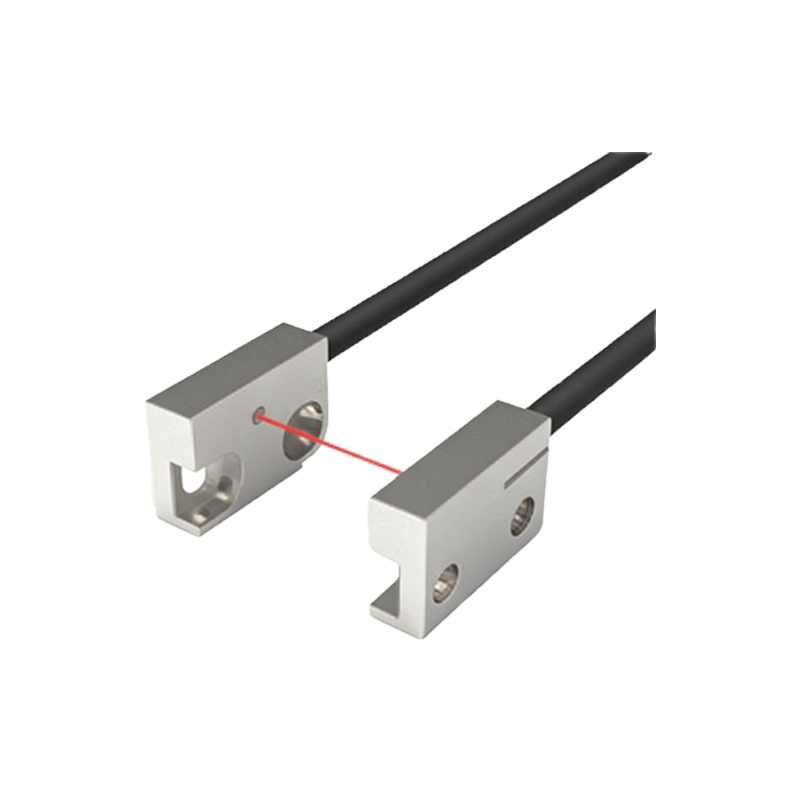
Top Brand 1: SICK AG - Precision and Durability
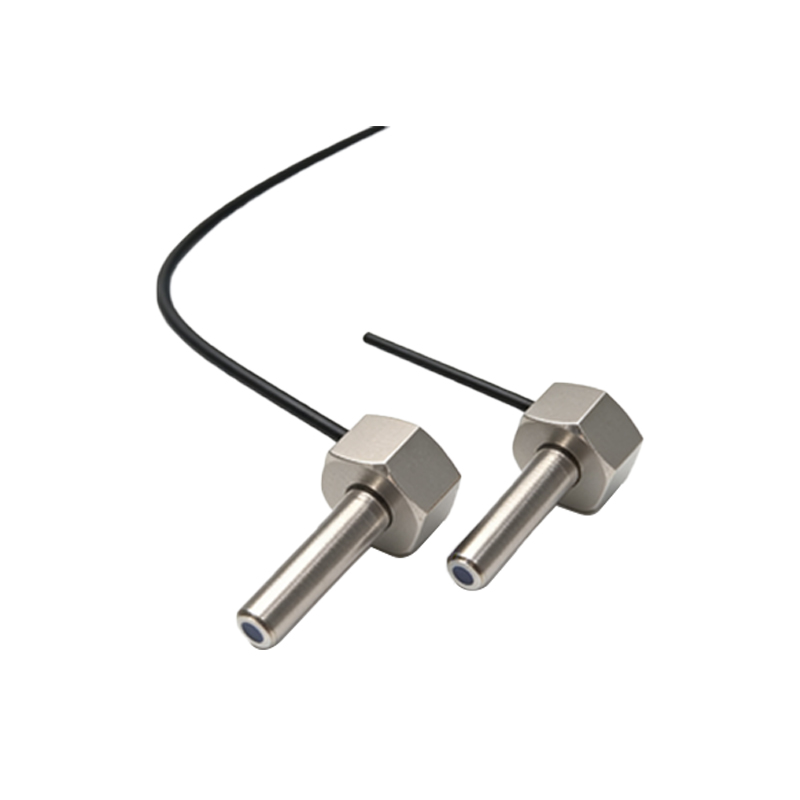
SICK AG, a German leader in sensor technology, offers the WL9G-3 series of open-type photoelectric sensors. These models feature a 5-meter sensing range, IO-Link communication, and IP69K protection for washdown environments. The sensors utilize a red laser class 2 light source, ensuring precision detection of even 0.1mm objects. Engineers favor SICK for its consistent performance in automotive and food processing industries, backed by global technical support.
Top Brand 2: Omron - Compact and Intelligent Solutions
Omron Corporation provides the E32 series of open-type sensors, known for their ultra-compact design and built-in amplifier. These sensors offer a 10-meter sensing distance and support PNP/NPN outputs. Omron's advanced algorithm reduces noise from stray light, making them suitable for semiconductor alignment tasks. The brand's integration with Sysmac automation platforms simplifies configuration, offering engineers a seamless experience in high-speed assembly lines.
Top Brand 3: Banner Engineering - Ruggedness for Heavy-Duty Use
Banner Engineering's QS30 series stands out for its rugged metal housing and IP67 rating. These sensors feature a visible red beam for easy alignment and a 30-meter sensing range. Banner's patented autoadjust technology allows the sensor to self-calibrate in dirty environments, reducing service intervals. Ideal for logistics and mining applications, these sensors maintain accuracy in extreme temperatures (-40°C to 70°C). Their Reliable output relay option also suits older PLC systems.
Top Brand 4: Pepperl+Fuchs - High-Performance Fiber Optic Alternatives
Pepperl+Fuchs offers the ML100 series, which combines open-type design with fiber optic compatibility. These sensors achieve a 10-meter range with glass fiber cables, enabling detection in explosive atmospheres. The series includes a selectable light-on/dark-on mode and a rugged zinc die-cast housing. For engineers working in hazardous zones, the brand's ATEX-certified models provide safety without compromising response time.
Top Brand 5: Keyence - High-Speed with Advanced Diagnostics
Keyence Corporation's LR-W500 series uses a high-power red LED and a 3-element lens for stable detection at 80 meters. This sensor features a built-in waveform display for real-time signal monitoring, aiding in predictive maintenance. Keyence's patented Time-of-Flight technology ensures accuracy even with tilted objects. The device supports Ethernet/IP and Profinet, making it a top choice for Industry 4.0 factories requiring digital twin integration.
Selection Criteria for Engineers
When choosing an open-type sensor, engineers must evaluate sensing distance, response time (typically under 1ms), and environmental factors like temperature or chemical exposure. Compatibility with control systems (IO-Link, AS-i) and mounting flexibility are also crucial. Brands like SICK and Omron offer extensive accessories, from brackets to connectors, simplifying installation. For corrosive environments, stainless steel housing options from Banner or Pepperl+Fuchs are recommended.
Future Trends in Open-Type Sensor Technology
The industry is moving towards smart sensors with built-in diagnostics and predictive analytics. Expect to see more open-type sensors with wireless connectivity (Bluetooth 5.0, Wi-Fi) and edge computing capabilities. Energy efficiency is another focus, with brands like Keyence developing low-power laser options. Additionally, modular designs that allow swapping of emitter/receiver units will reduce inventory costs for maintenance teams.
Conclusion: Choosing the Right Brand for Your Application
Selecting the optimal open-type photoelectric sensor brand depends on specific application needs: SICK for precision, Omron for compactness, Banner for ruggedness, Pepperl+Fuchs for hazardous zones, and Keyence for high-speed data integration. Engineers should prioritize certifications (CE, UL) and local support availability. With continuous innovation, these sensors remain pivotal in achieving zero-defect manufacturing and operational excellence across industries.