Introduction to COROS PACE 2 Optical Sensor Technology
The COROS PACE 2, primarily known as a GPS sports watch, integrates advanced photoelectric sensor technology for heart rate monitoring. For electrical engineers, the underlying principle involves photoplethysmography (PPG), where light-emitting diodes (LEDs) emit specific wavelengths into the skin, and photodetectors measure the reflected light intensity. The sensor module incorporates green, red, and infrared LEDs to optimize signal quality under varying conditions, such as motion artifacts or ambient light interference. This design ensures reliable data acquisition for dynamic environments, making it suitable for both professional training and field testing.
Sensor Architecture and Signal Processing
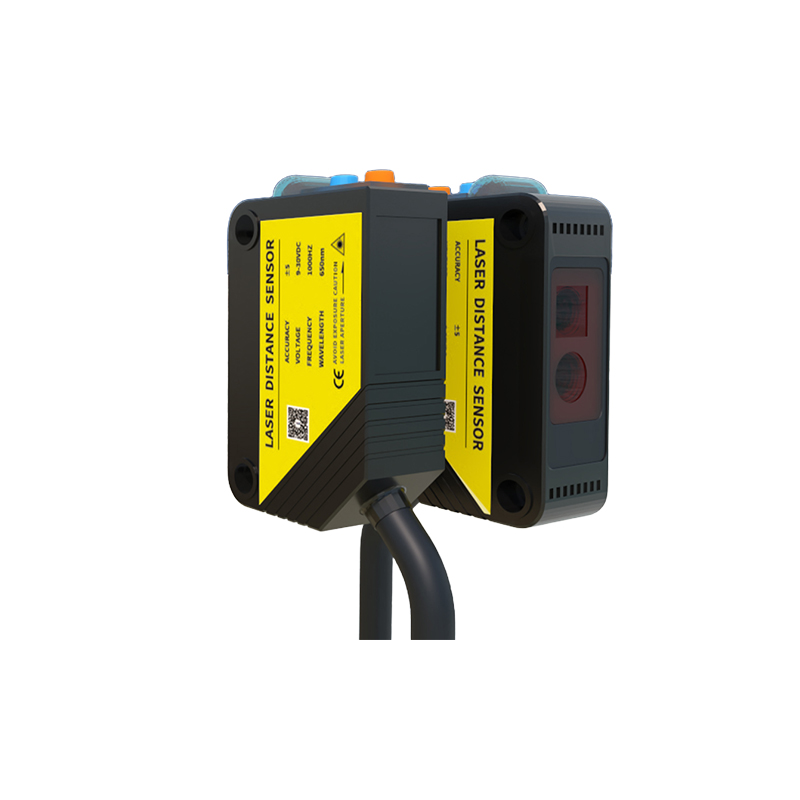
The optical sensor system of the COROS PACE 2 features a multi-channel photodiode array with a high-sensitivity amplifier. The analog front end includes a transimpedance amplifier (TIA) and a low-pass filter to suppress high-frequency noise from muscle movement. The digitized signals are processed by an onboard ARM Cortex-M4 microcontroller, implementing algorithms like adaptive noise cancellation and motion artifact removal. The sampling rate is optimized at 25 Hz for heart rate, balancing power consumption and accuracy. Engineers can appreciate the use of a digital signal processor (DSP) to extract the pulsatile component from the raw PPG waveform, which is critical for precise rate calculation.
Optical Wavelength Selection and Performance
Green light (530 nm) is primarily used for high-accuracy heart rate monitoring during exercise due to its strong absorption by hemoglobin. Red (660 nm) and infrared (940 nm) LEDs are activated for low-perfusion scenarios, such as cold weather or rest, to improve signal-to-noise ratio. The sensor driver circuitry uses a pulsed LED operation with adjustable current up to 50 mA to maintain consistent optical power. The photodetector’s spectral response is matched to the LED outputs to minimize crosstalk. This multi-wavelength approach reduces skin tone and limb position dependencies, offering a ±2% accuracy deviation compared to chest strap references.
Power Management and System Integration
The optical sensor’s power consumption is a key consideration for wearable devices. The COROS PACE 2 employs a dynamic duty-cycling mechanism: the LEDs are pulsed at a low duty cycle (e.g., 2%) during idle periods, and the sampling rate increases during activity. A dedicated power management IC (PMIC) regulates the sensor voltage at 1.8 V for the analog stage and 3.3 V for the digital logic. The entire subsystem draws approximately 0.5 mA in standby and up to 15 mA during active monitoring. This efficiency enables the watch to achieve up to 30 days of battery life in standard usage, a critical metric for field engineers evaluating sensor longevity.
Interference Mitigation and Calibration
Ambient light interference is mitigated via a synchronous detection technique, where the photodetector captures signals only during LED on-times. A calibration resistor network compensates for photodiode dark current and temperature drift. The sensor includes a built-in temperature sensor for real-time offset correction. During manufacturing, each unit undergoes a two-point calibration to ensure linearity across the 30 to 220 bpm heart rate range. Engineers can also access raw PPG data via the COROS API for custom validation, such as comparing with oscillometric or electrocardiogram (ECG) references in laboratory setups.
Conclusion and Practical Applications for Engineers
For electrical engineers involved in wearable sensor design or system integration, the COROS PACE 2 optical sensor demonstrates robust PPG performance through efficient hardware design and adaptive algorithms. Its multi-wavelength capability and low-power architecture make it a viable reference for prototyping applications, from fitness tracking to remote health monitoring. By analyzing the sensor’s electrical characteristics, engineers can replicate similar designs for embedded systems requiring high accuracy with constrained resources.