Understanding the Role of Absorbent Stickers in Photoelectric Sensors
In industrial automation, photoelectric sensors are widely used for object detection, counting, and positioning. However, their accuracy can be compromised by reflective surfaces, ambient light, or irregular target shapes. Absorbent stickers, often made from matte black or dark-colored materials, are designed to minimize unwanted reflections. These stickers effectively absorb the emitted light beam, reducing false triggers and improving signal stability in applications where sensors must detect transparent or glossy objects.
Selecting the Right Absorbent Sticker Material
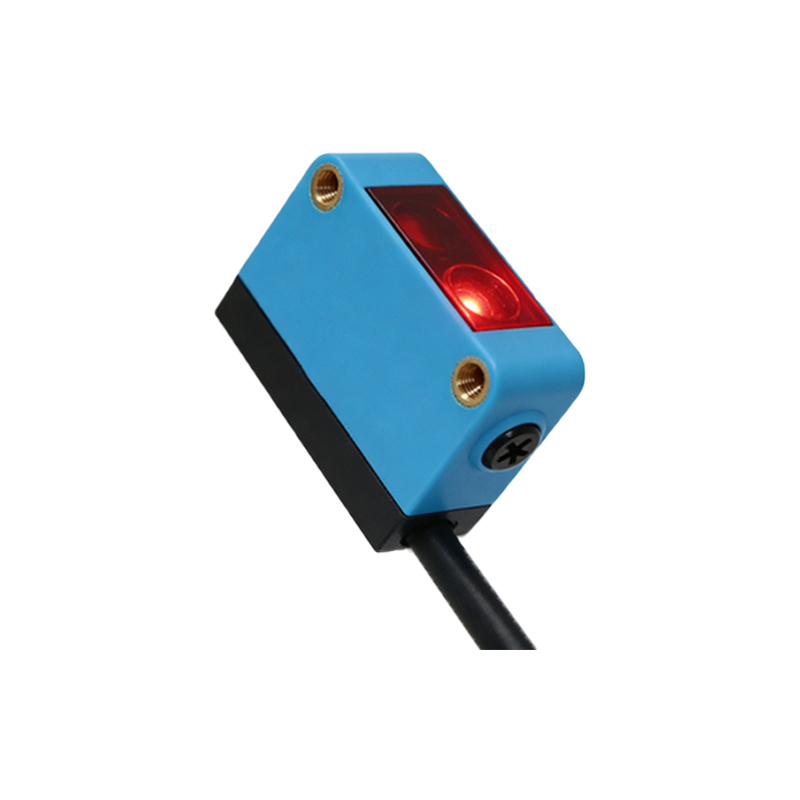
Engineers must consider the operating environment when choosing stickers. For harsh conditions with dust, moisture, or chemicals, opt for stickers with a durable polyimide or silicone-based backing. These materials resist degradation and maintain adhesion at temperatures up to 200°C. In cleanroom settings, low-outgassing acrylic adhesives prevent contamination. The sticker's surface finish should be uniformly matte, with a light absorption rate above 95% for optimal sensor performance.
Installation Techniques for Maximum Reliability
Proper installation is critical to avoid peel-off or misalignment. Clean the sensor target area thoroughly with isopropyl alcohol to remove oils and residues. Apply the sticker with firm pressure, ensuring no air bubbles remain. For curved surfaces, pre-cut stickers with a flexible backing are recommended. Test the sensor's response after installation by adjusting its sensitivity threshold, typically between 80% and 90% of the full-scale value, to compensate for the absorbent material's lower reflectivity.
Troubleshooting Common Issues with Sticker Usage
If the sensor fails to detect the sticker, check for dust accumulation on the sticker surface. Use a lint-free cloth with a mild detergent for cleaning. For sensors with adjustable gain, increasing the amplification by 10-20% often resolves detection gaps. In high-vibration environments, apply a secondary adhesive edge coating to prevent peeling. Always verify that the sticker's absorption wavelength matches the sensor's emission spectrum, which is usually 650 nm for red-light sensors or 880 nm for infrared types.
Comparative Benefits Over Other Contrast Enhancement Methods
Absorbent stickers offer several advantages over paints or tapes. They provide consistent optical properties without drying time, and their thickness (typically 0.1-0.3 mm) ensures minimal interference with mechanical clearances. Unlike reflective tapes, stickers do not degrade under UV exposure. In cost-sensitive applications, reusable magnetic-backed stickers allow quick repositioning without adhesive residue. Field tests show a 30% reduction in false alarms when replacing painted dark spots with high-quality absorbent stickers.
Future Trends and Maintenance Best Practices
Emerging smart stickers with embedded RFID tags can communicate wear levels to predictive maintenance systems. For routine care, inspect stickers quarterly for scratches or discoloration. Replace stickers when the sensor's detection distance drops by more than 15% from baseline. By integrating absorbent stickers into your sensor setup, you can achieve smaller dead zones and more reliable detection in challenging applications like bottle filling lines or semiconductor wafer handling.