Introduction to LR500 Photoelectric Sensor
The LR500 photoelectric sensor is a high-performance detection device designed for demanding industrial environments. It utilizes advanced optical technology to reliably detect objects without physical contact, making it ideal for applications where precision, speed, and durability are critical. This sensor series is widely used in manufacturing lines, packaging systems, and material handling equipment.
Key Technical Specifications
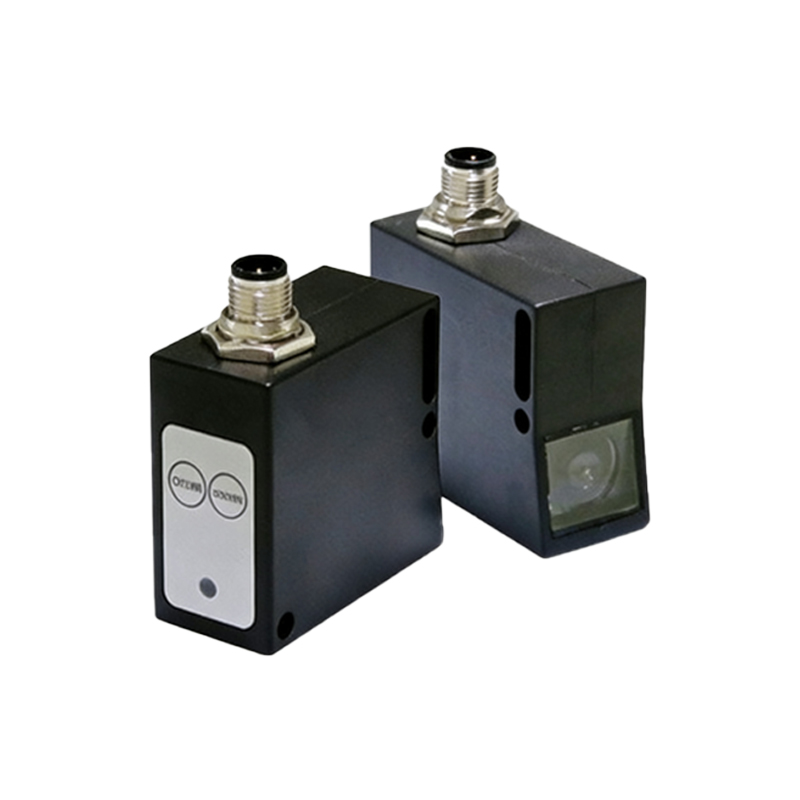
The LR500 sensor operates at a detection range up to 15 meters for through-beam models and 8 meters for diffuse reflective types. It features a response time of less than 1 millisecond, ensuring real-time detection in high-speed processes. The sensor supports multiple output types including NPN, PNP, and analog voltage/current signals, allowing seamless integration with PLCs and industrial controllers. Its IP67-rated housing ensures resistance to dust and water ingress, suitable for harsh factory floor conditions.
Operating Principles and Detection Modes
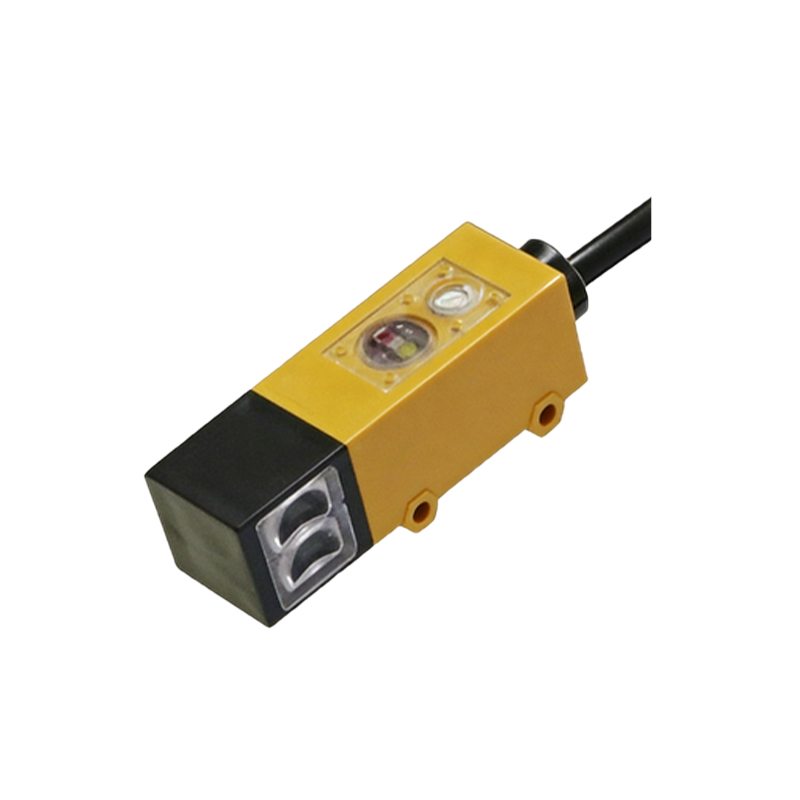
The LR500 employs three primary detection modes: through-beam, retro-reflective, and diffuse reflective. In through-beam mode, the transmitter and receiver are separate, offering the longest range and highest reliability for opaque objects. Retro-reflective mode uses a reflector for medium-range detection of transparent or shiny targets. Diffuse reflective mode works for short-range detection by analyzing the reflected light from the object itself. Each mode can be adjusted via a built-in potentiometer for sensitivity and detection distance.
Installation and Configuration Guidelines
Proper installation is crucial for optimal performance. Mount the sensor on a stable surface, ensuring the optical axis aligns with the target path. For through-beam sensors, maintain a clear line-of-sight between transmitter and receiver. Use the provided mounting brackets and 10-30 VDC power supply. Configuration involves setting the detection range and output mode using the DIP switches and trimmer. The sensor includes an LED indicator for status: green for power, yellow for object detection, and red for alarm or fault.
Application Scenarios in Industry
In automotive assembly lines, the LR500 detects the presence of components like engine blocks or body panels. In food and beverage packaging, it ensures correct bottle filling levels and cap placement. For logistics, it monitors conveyor belt loading to prevent jams. The sensor's ability to detect transparent materials like glass or plastic makes it invaluable in pharmaceutical bottle inspection. Its robust design also performs reliably in dusty or moist environments typical of woodworking or textile factories.
Troubleshooting and Maintenance Tips
Common issues include false triggering due to stray light or reflective surfaces. To mitigate, use the sensitivity adjustment to set a proper threshold. If the sensor fails to detect, clean the lens with a soft, lint-free cloth to remove dust or oil. Verify power supply voltage and check for loose wiring. For intermittent faults, inspect the mounting for vibration-induced misalignment. Regular calibration every six months and firmware updates (if applicable) ensure long-term accuracy.
Conclusion
The LR500 photoelectric sensor stands as a reliable solution for industrial automation, combining high precision, multiple detection modes, and rugged construction. Its versatility addresses diverse applications from simple object presence to complex process control. By adhering to installation best practices and routine maintenance, engineers can maximize system uptime and production efficiency. For advanced needs, consider options with IO-Link communication for remote monitoring and parameter adjustment.